

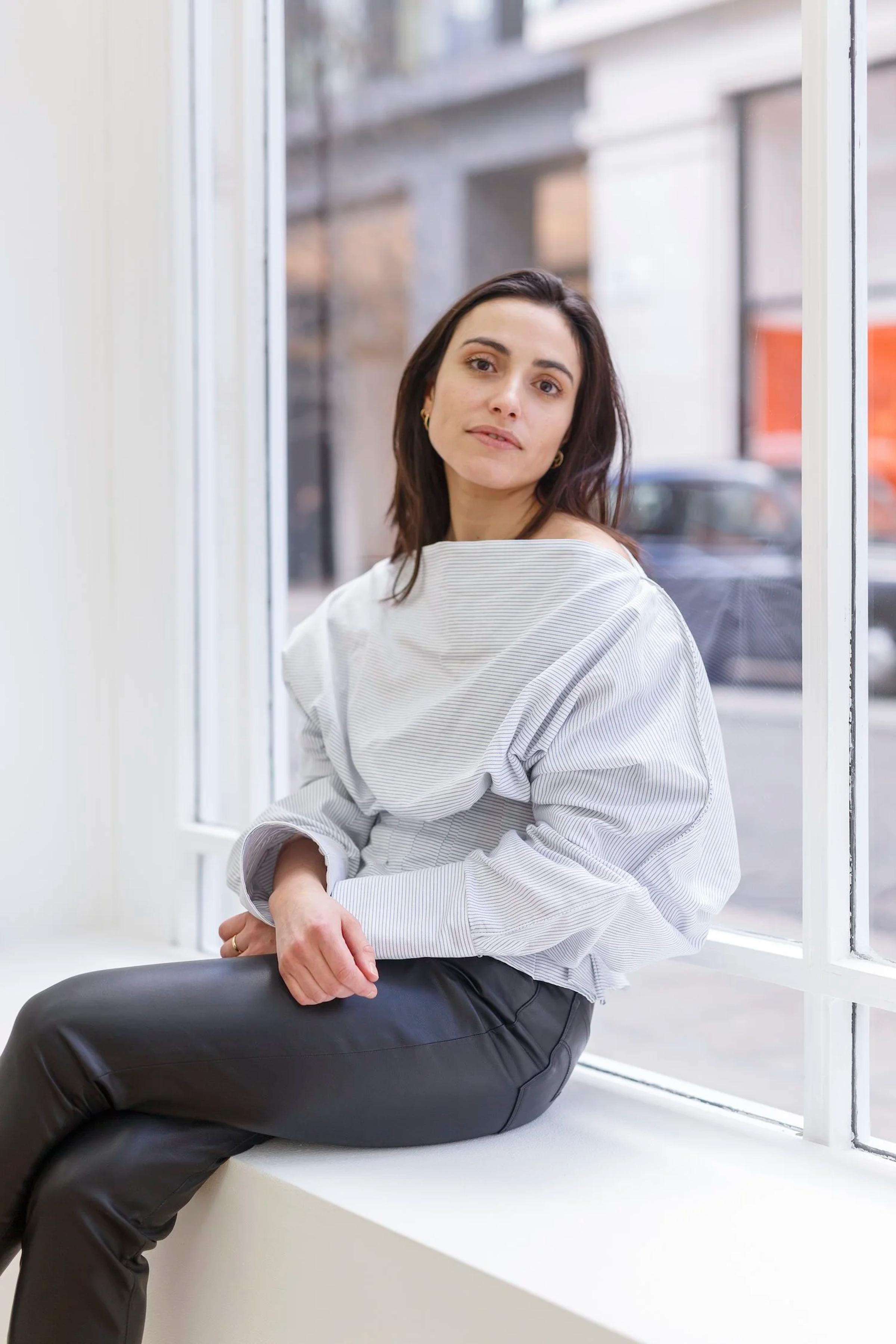
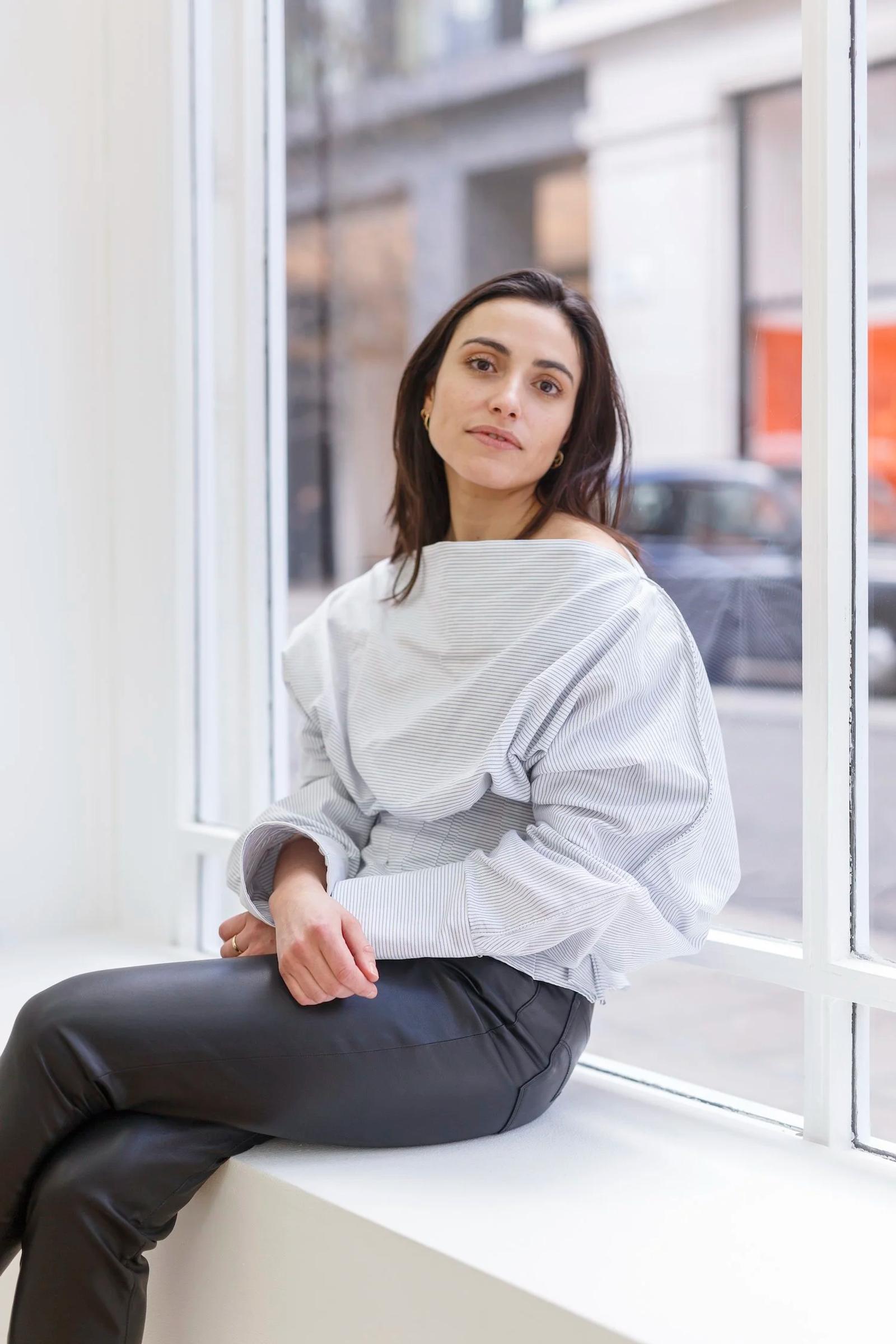
bP: Hey Justine! Can you tell us about your current role and how it reflects your vision for the art world?
JDES: I'm a Director at the gallery Air de Paris, a well-established gallery that is known for its commitment to representing critically-engaged, conceptual practices. To me, art is about helping you understand the world we live in, so it's important that I work with artists who explore issues and questions that feel urgent in relation to the world we are facing today. Hence why I have always been attracted to galleries that support critical practices.
bP: What motivates you to work with artists and how do you identify talent that aligns with you personally?
JDES: As a gallerist you really get to work in depth with an artist, you get to understand how they work, and help them develop their career and their practice in the long term. It's very exciting and you're always learning something. I tend to be drawn to artists whose work responds to sociopolitical issues that feel important to me and my peers. As a result, I also tend to be drawn to artists of my generation. But there are always exceptions! I think as a gallerist it's key to keep an open mind, and to be prepared for your taste and ideas to be challenged.
bP: You are currently based in Paris, how would you describe the difference between London's art scene and Paris?
JDES: A lot of eyes are on Paris at the moment, and there is a lot happening in the city. Lots of great international galleries have opened spaces there and are doing amazing shows, and there are many smaller galleries showing a younger generation of French and international artists. Paris also has several great private foundations as well as some residency programmes that attract international artists. But London remains an important context for contemporary art and discourse, and I think it is due to the fact that, at least in Europe, it's the city with the best art schools. Not to mention many amazing galleries, and of course, the Tate!
bP: How do you approach curating group shows with diverse artistic practices and voices?
JDES: For me, the starting point for a group show is often an idea or a question that relates to my own feeling of being in the world at a particular time. Then I start thinking about artists who explore this issue in their work, and I use the work of artists to explore it further and expand upon that subject. Starting from something that one feels personally concerned by, as a curator, is important because it forces you to consider your own positionality.
bP: What advice would you give to collectors who want to support meaningful art?
JDES: Don't follow trends, and don't buy what everyone else is buying (or what you think everyone else is buying). Great art isn't necessarily the most expensive, and by no means does it have to have a long waiting list for it to be worth your attention.

Comments
Leave a comment