

London, UK | — | —Artists | Core Programme
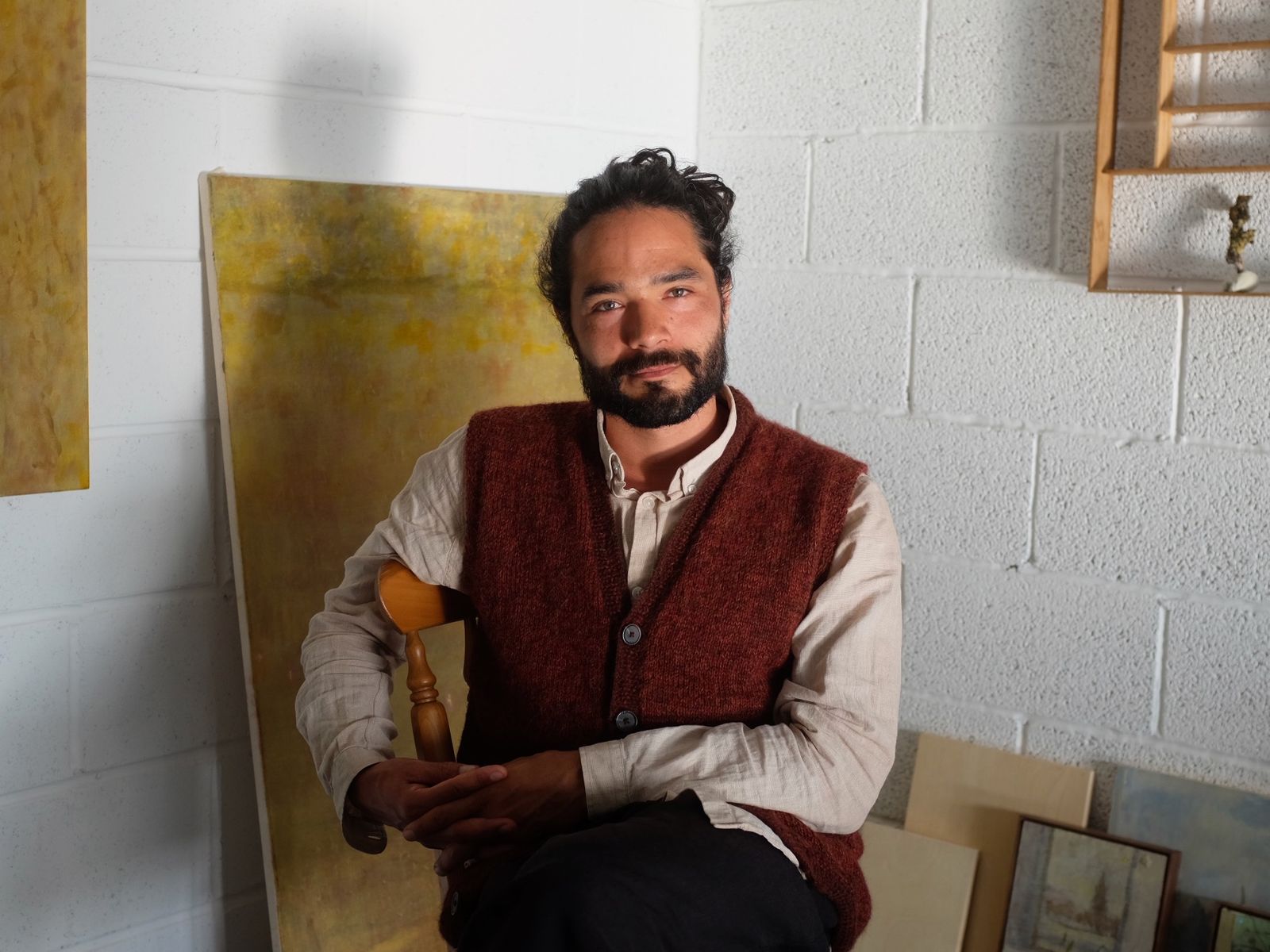
b. 1990, Viña del Mar, Chile
Sebastián Espejo (b. 1990, Chile) lives and works in London. He studied at the Pontificia Universidad Católica de Chile (BA, 2014) and completed the Turps Off Site Programme (2024–25). Espejo's practice approaches painting as a form of phenomenological enquiry by using still-life motifs - vases, fruit, cuttings in jars - and intermittent landscape glimpses to examine how items and environments come into being through light, surface, and objecthood. Across these two registers, he constructs pictorial situations in which intimacy is produced through repetition, restraint, and calibrated shifts in tone. Recent solo and duo exhibitions include Interval (Plaster + Artist Room Gallery, London, 2025), What is less or more than a touch (Des Bains Gallery, London, 2025), Occasional Blue (The Dot Project x HeritageXplore, Drumlanrig Castle, Scotland, 2025), and Celestial Mechanics (Draper & Co., Paris, 2025). He was shortlisted for the John Moores Painting Prize (2025) and twice a finalist for Jackson's Art Prize. Upcoming solo exhibitions in 2026 include Union Pacific (London) and Sun Gallery (Seoul).
Learn More →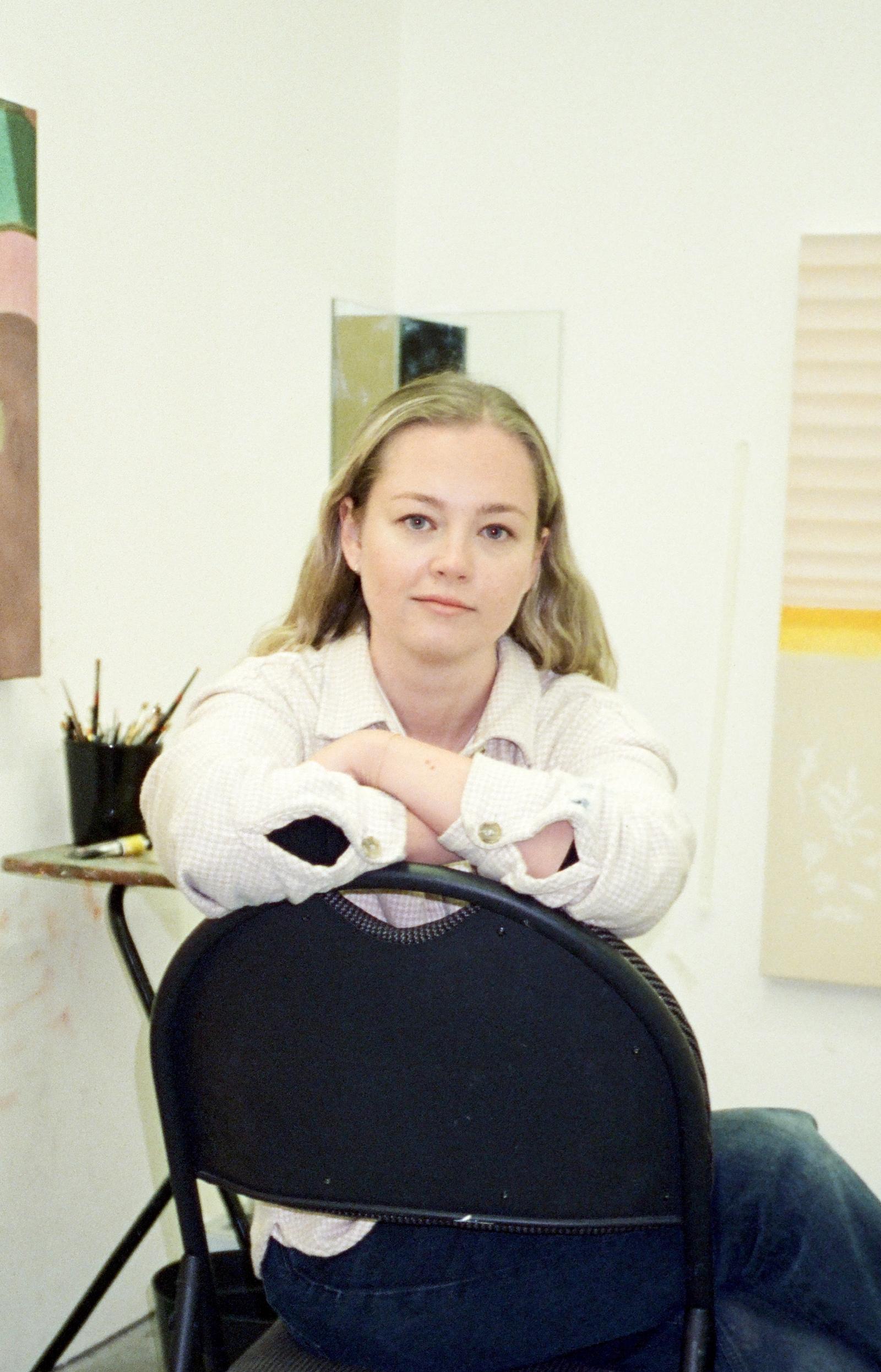
b. 2000, Manchester, United Kingdom
Rachel Clancy (b. 2000, Manchester) works with the slow, materially rich language of oil paint to construct scenes that feel intimate, theatrical, and faintly uneasy. Trained at Manchester School of Art (BA and MFA in Painting), Clancy's practice explores the boundaries of perception through staged domestic compositions inhabited by upholstered fabrics, household objects, and fragments of limbs, lit by slanted sources and reflective surfaces that produce a muted but insistent psychological tension. Her paintings rarely offer a stable vantage point; instead, they behave like film stills, flash-frozen images suspended between before and after, where narrative is suggested rather than declared, arriving through layers of glaze, reflected light, and partial obstruction. Recent exhibitions, including her solo presentation The Thought Below at Pipeline Contemporary, London, sharpen these concerns. Across these works, Clancy reframes the still-life genre through distortion, reflection, and containment, holding objects, gestures, and mirrored fragments in delicate relation, deliberately unresolved and transforming the familiar interior into a site of perceptual and psychological uncertainty.
Learn More →