

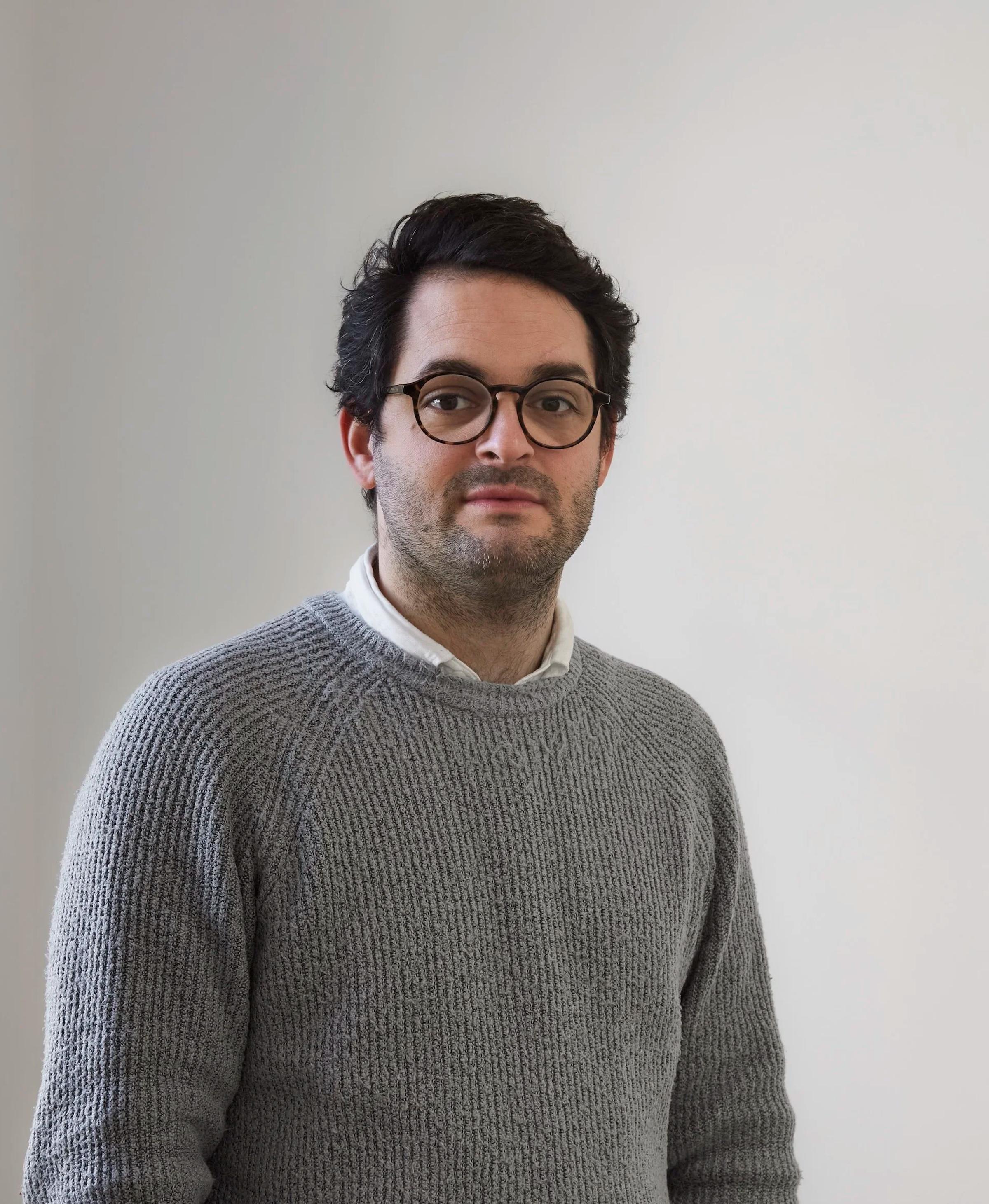
bP: Let's begin at the beginning. What was the original impulse behind founding South Parade and what's the story behind the name?
IS: It was relatively organic. Throughout my twenties, whilst not working within the art industry, there was always a proximity to it - going to openings, auction viewings and museums in my spare time. I spent some time in Mexico City where I was directing an artist residency. This was the first time I had a closeness to the artist and proximity to the studio and all that it brought with it. The natural progression was to open an exhibition space.
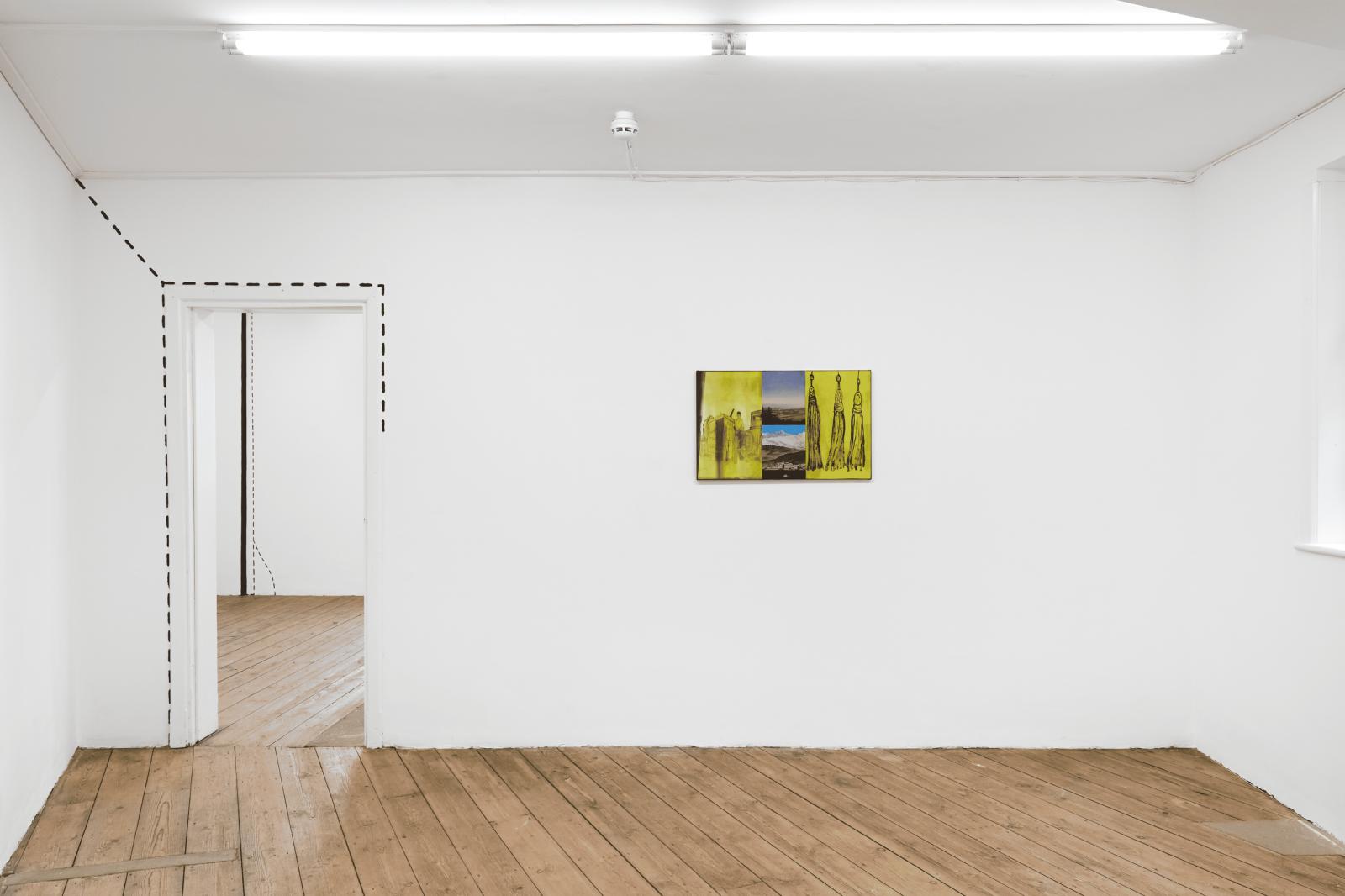
bP: If you had to summarise South Parade's ethos what would it be? And how has the principle evolved since you opened?
IS: Community is something I think about and how to engage with wider demographics across the arts, culture and literary sectors, for example. Reading evenings, in conversations, artist walk-throughs as a way to open dialogues further and ultimately, welcome new people into the space.
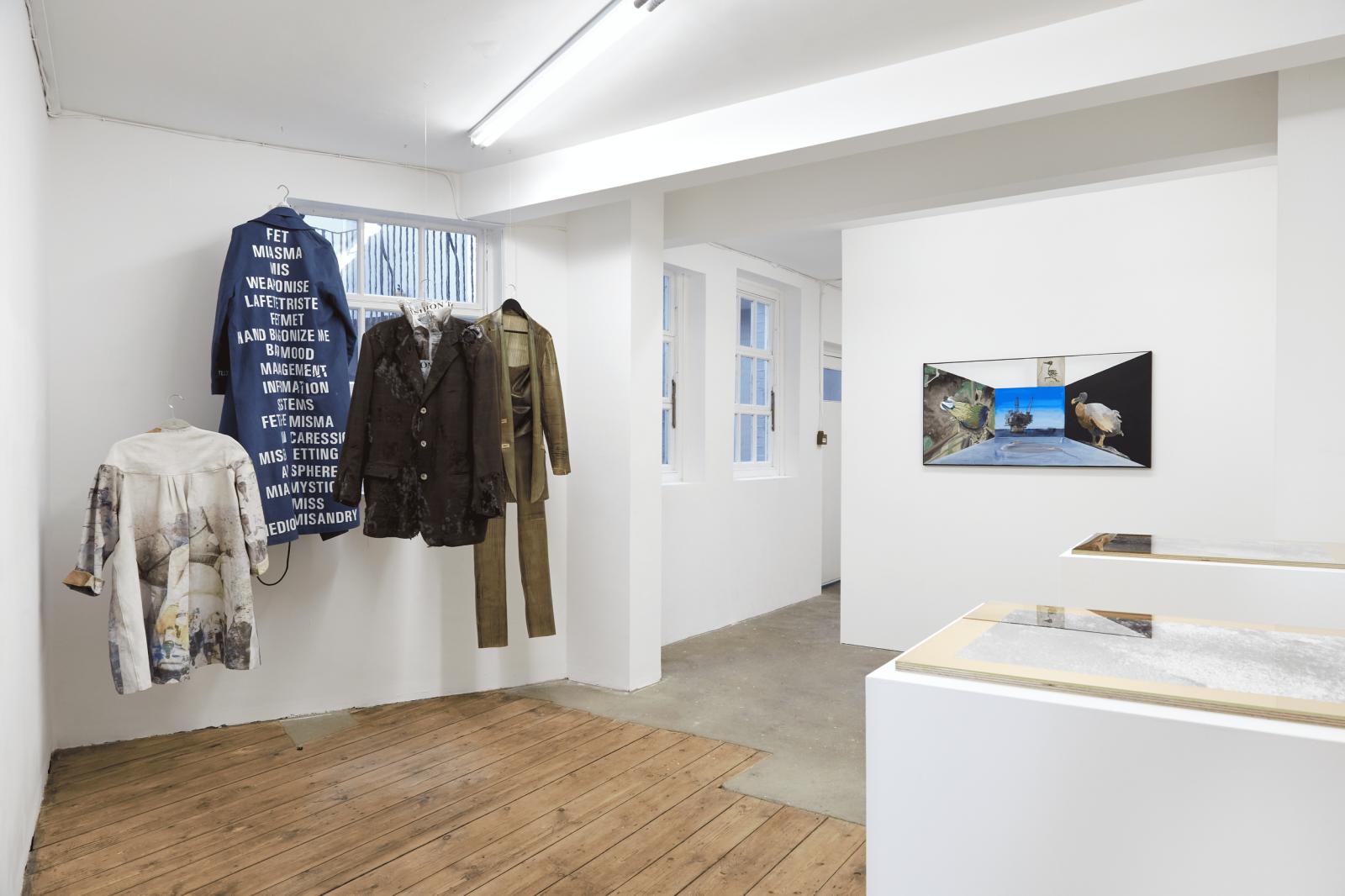
bP: The relationships between artists and gallerists can take many forms. How do these dynamics unfold at South Parade and how do you see your role in an artist's long term development?
IS: Collaboration is key. I love curating and hanging shows alongside the artists and giving them the space and time to develop the kind of exhibition they want to make. With regards to the future, this is always in my thinking. Whilst it is essential to sell works today and tomorrow to exist, how things will potentially look in 3, 5, 10 years time, is more interesting to me. The aim is always to develop a project that is sustainable in the medium to long term and that can outlast any fashions and trends in the short term.
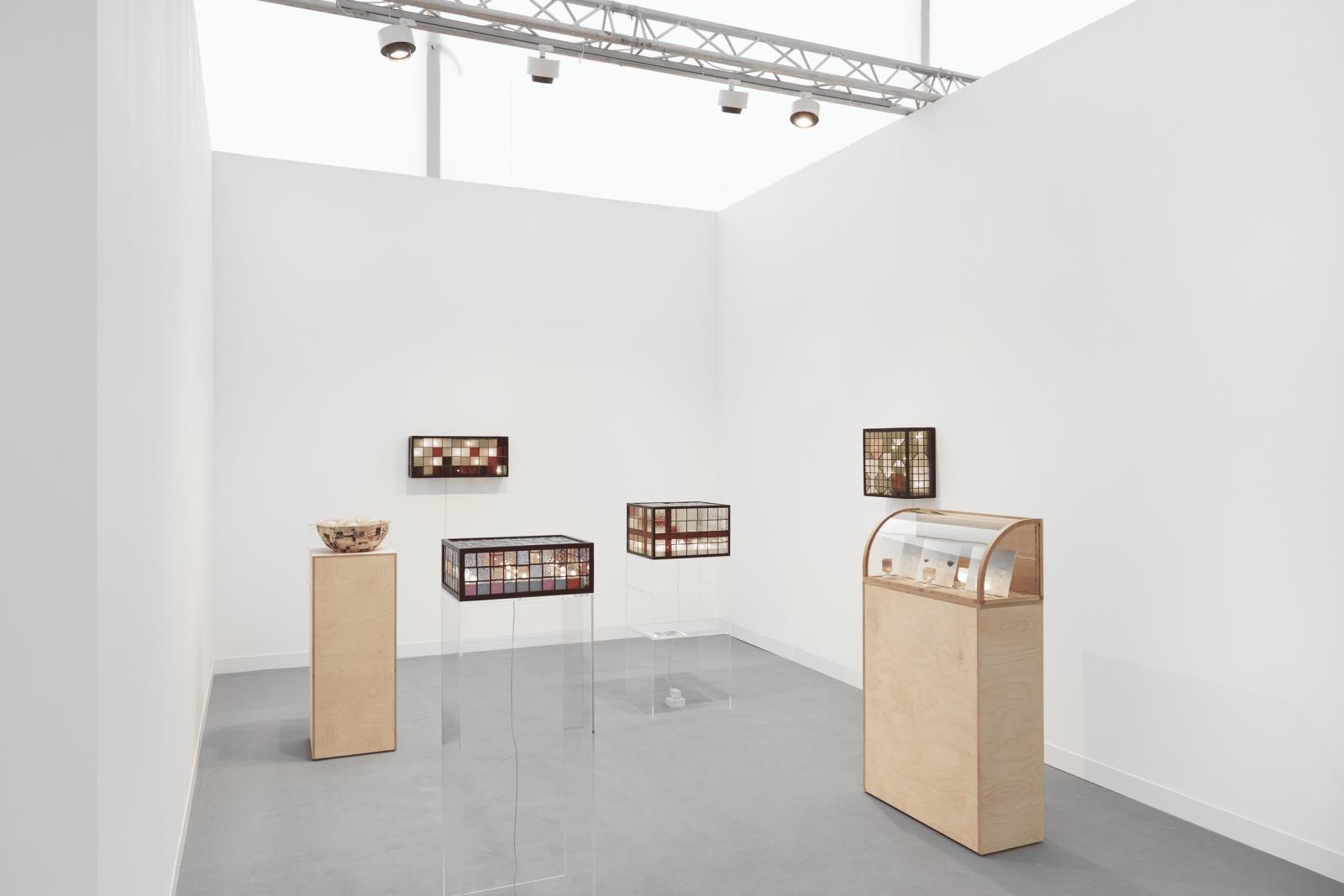
bP: What are the key factors that shape your curatorial decisions when putting together South Parade's programme?
IS: I want each show to offer an insight into the depth and breadth of an artistic practice - both formally and conceptually. There is an emphasis on materiality for sure - how works are made and the processes involved are, to me, just as important as the conceptual aspects that might underpin such work, and when these two elements intertwine is when I get excited.
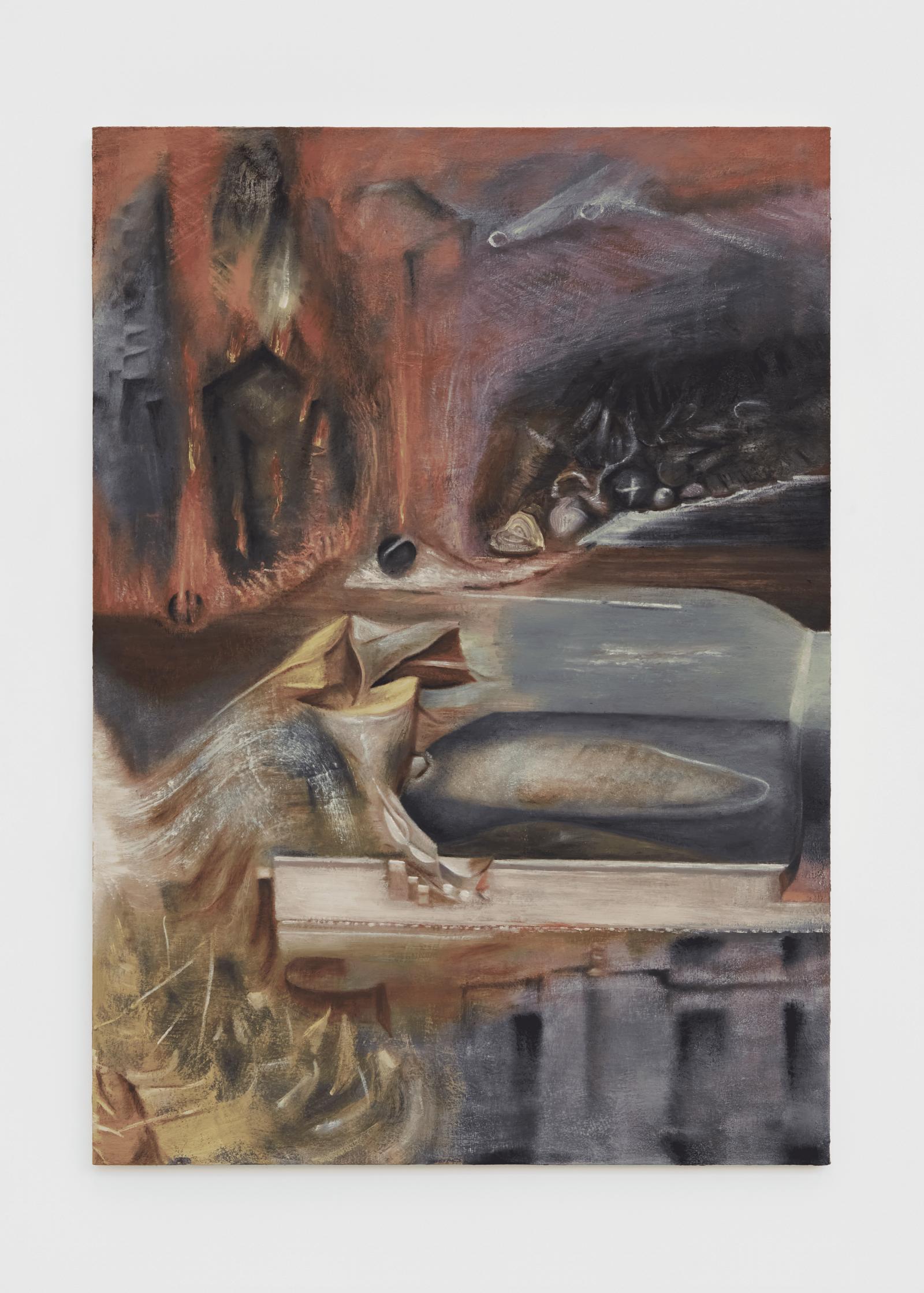
bP: You recently participated in Liste at Art Basel, a major moment for any young gallery. What did the experience represent for you?
IS: Basel is a major centre and meeting point for the industry - at the moment it feels important for the gallery to have a presence there. Fairs are very important to meeting new and prospective clients and curators.

Comments
Leave a comment