

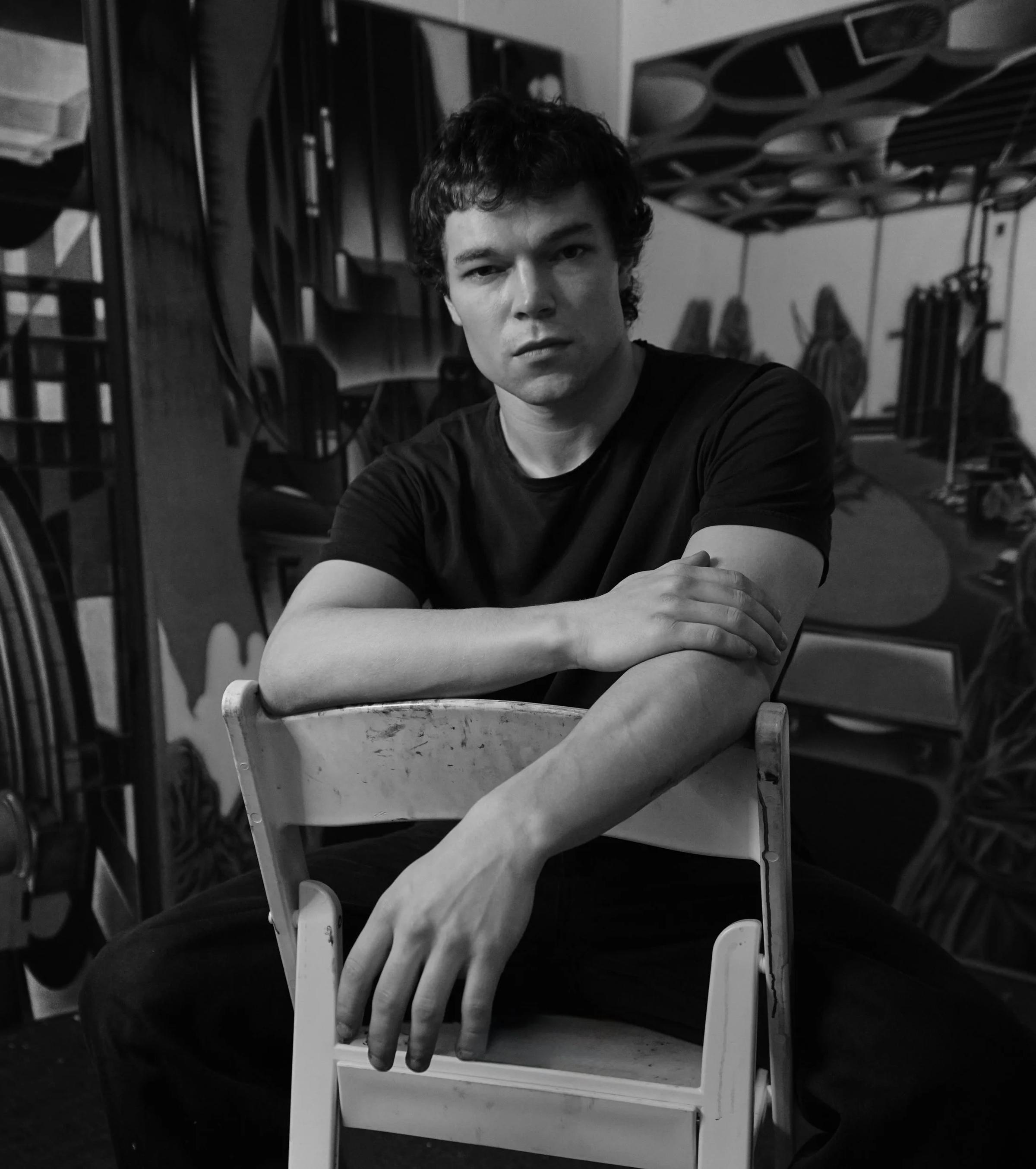
bP: Gus could you share what you aim to communicate through your work?
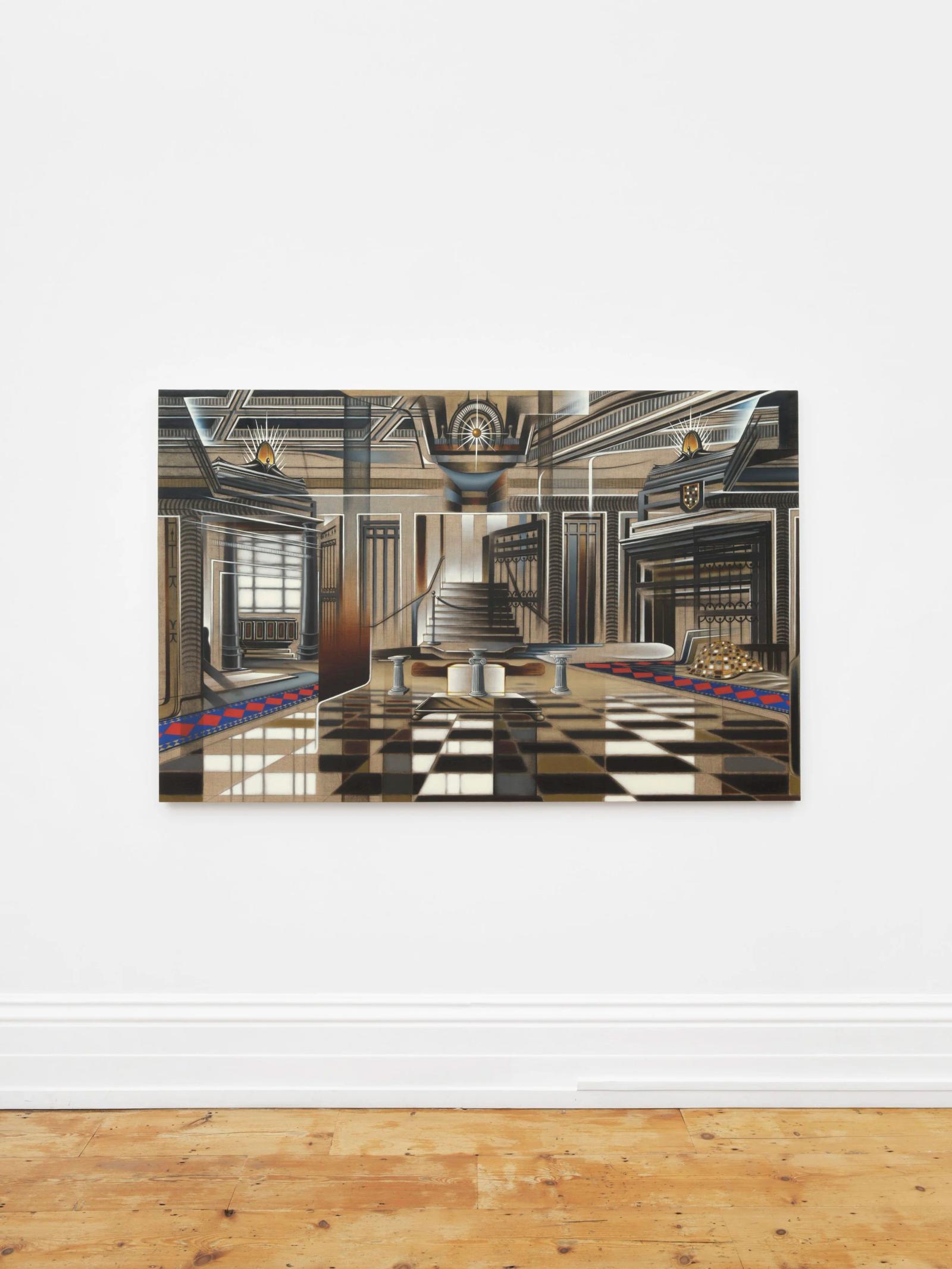
GM: Institutional spaces quietly direct memory, worth, and power. My practice investigates these spaces not as empty vessels but as active agents in the construction of social behaviour and historical awareness; how they fit into the canon. With painting and drawing, I attempt to expose the codes within architecture, what they permit, what they prohibit, and what they conceal. I'm more interested in demonstrating a space how it is not, as opposed to how it is.
bP: What were your key insights during your MA at the RCA?
GM: The RCA provided me with room to learn how to paint… More importantly it gave me time to identify the location of my practice and the way in which I approach visualising concepts; establishing the arena that I wanted to explore.
bP: Which artists, both historic and contemporary, inspire you the most and why?
GM: Frank Bowling taught me that painting can carry political and historical weight without being overtly didactic, that abstraction, when handled carefully, can be semi-literal. His approach allows me to address institutional disparity and cultural memory through surface and structure rather than image alone. From Carlo Crivelli, I take a fascination with surface, ornament, and chromatic intensity, how illusion and flatness can operate symbolically. His use of decoration as a kind of visual theology resonates with the way I treat institutional architecture as both aesthetic and ideological space. William Kentridge influences how I position myself, and the work, within systems of power. I see the artwork as a kind of Trojan horse: it enters the institution under one guise, while quietly carrying something more subversive. That duality is essential to how my work operates, critical, but quietly embedded.
bP: You've described your work as a "curation of passing thoughts, tangible interactions, intrusive thoughts." How do you determine what remains in the final image and what is omitted?
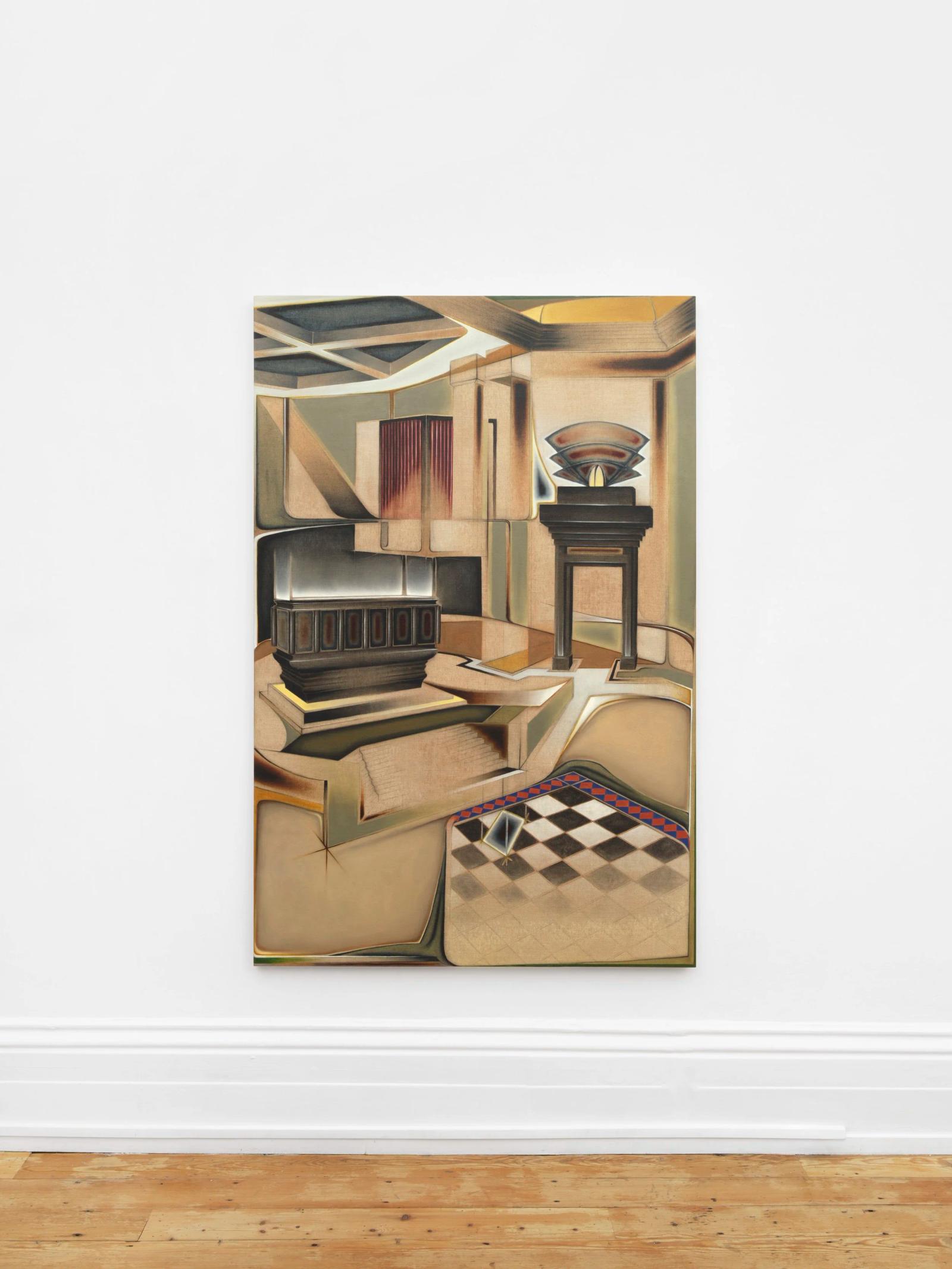
GM: If you view the picture as a foundation for an idea and the concept as a perspective you can play with how it is presented and visually conceptualised, viewing something orthographically, from its zenith, side on, or just realistically. Creating hierarchies of essentialism is a simple way to put it, whilst circumambulating the topic at hand. You are assuming a position… part of that is viewing what is or is not essential to the work. Guston's analysis of the work acting as a ledger is applied in terms of how something is thought up, what remains excluded is often as important and as telling as what is composed. Silences leave space for projection, or reflection, or uncertainty.
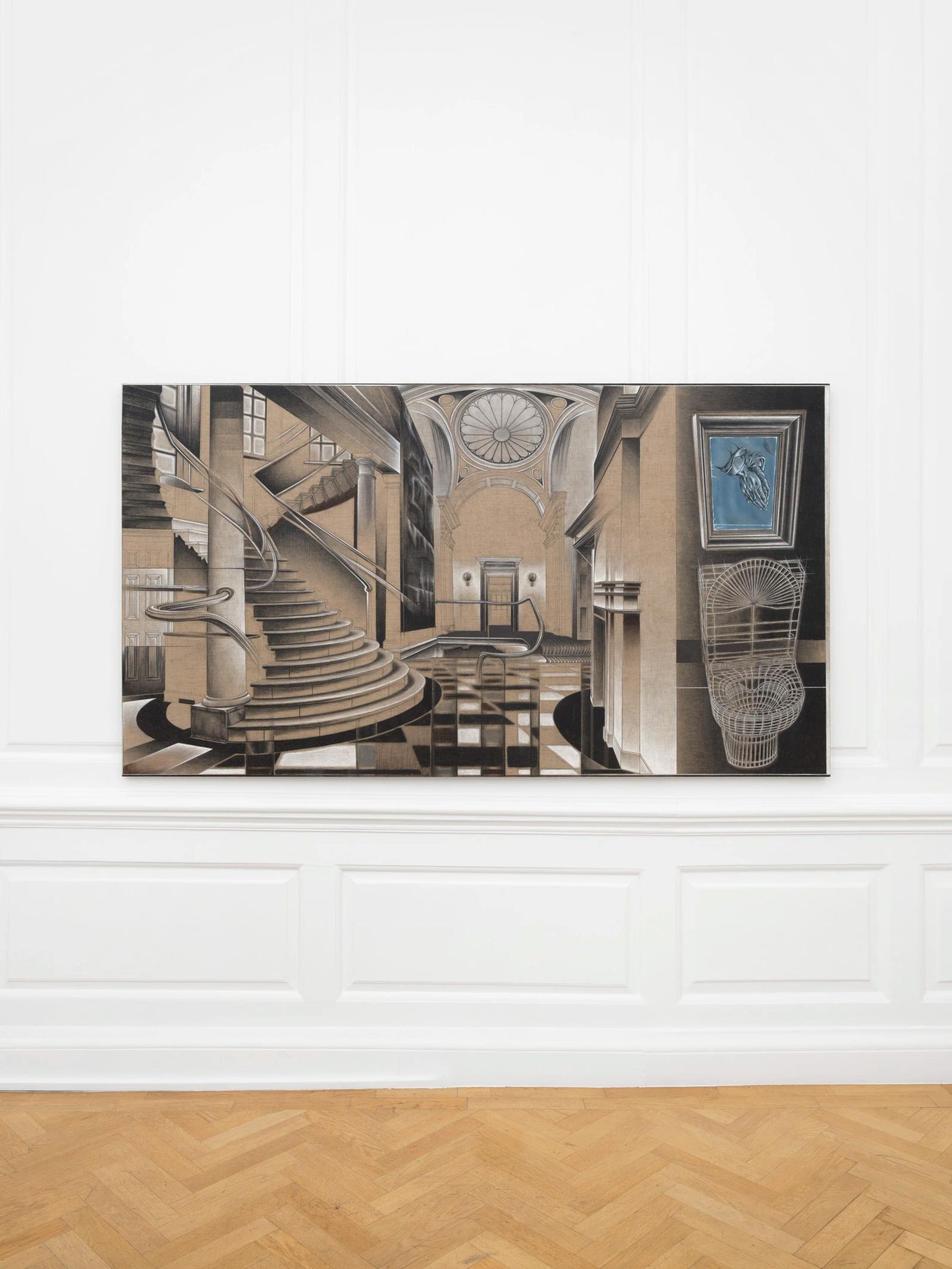
bP: If someone new to your practice could only see two works which would you choose to show them?
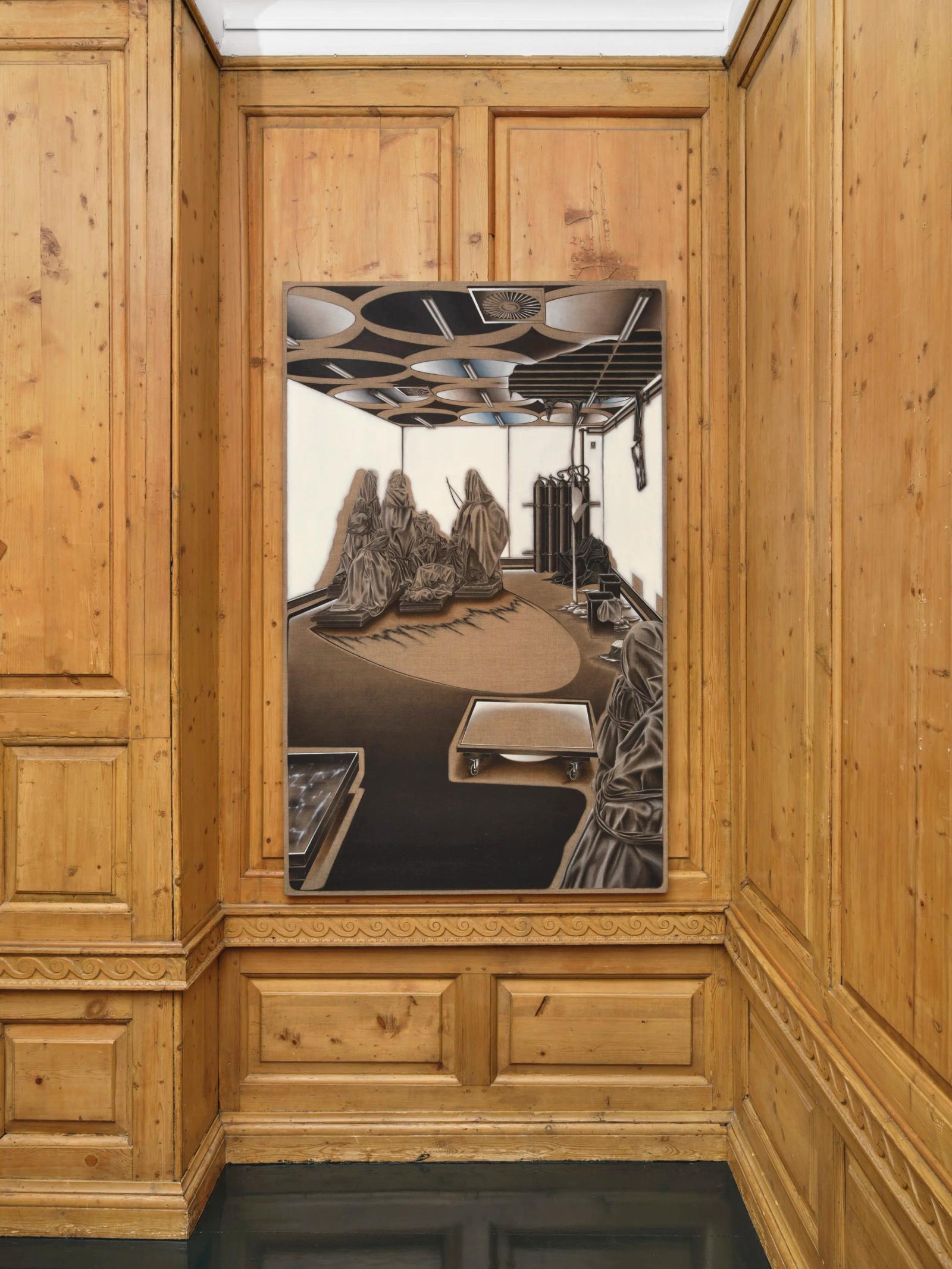
GM: Iziko Conservation Room / Zeitz MOCAA (2025) and Space Talk (2024).
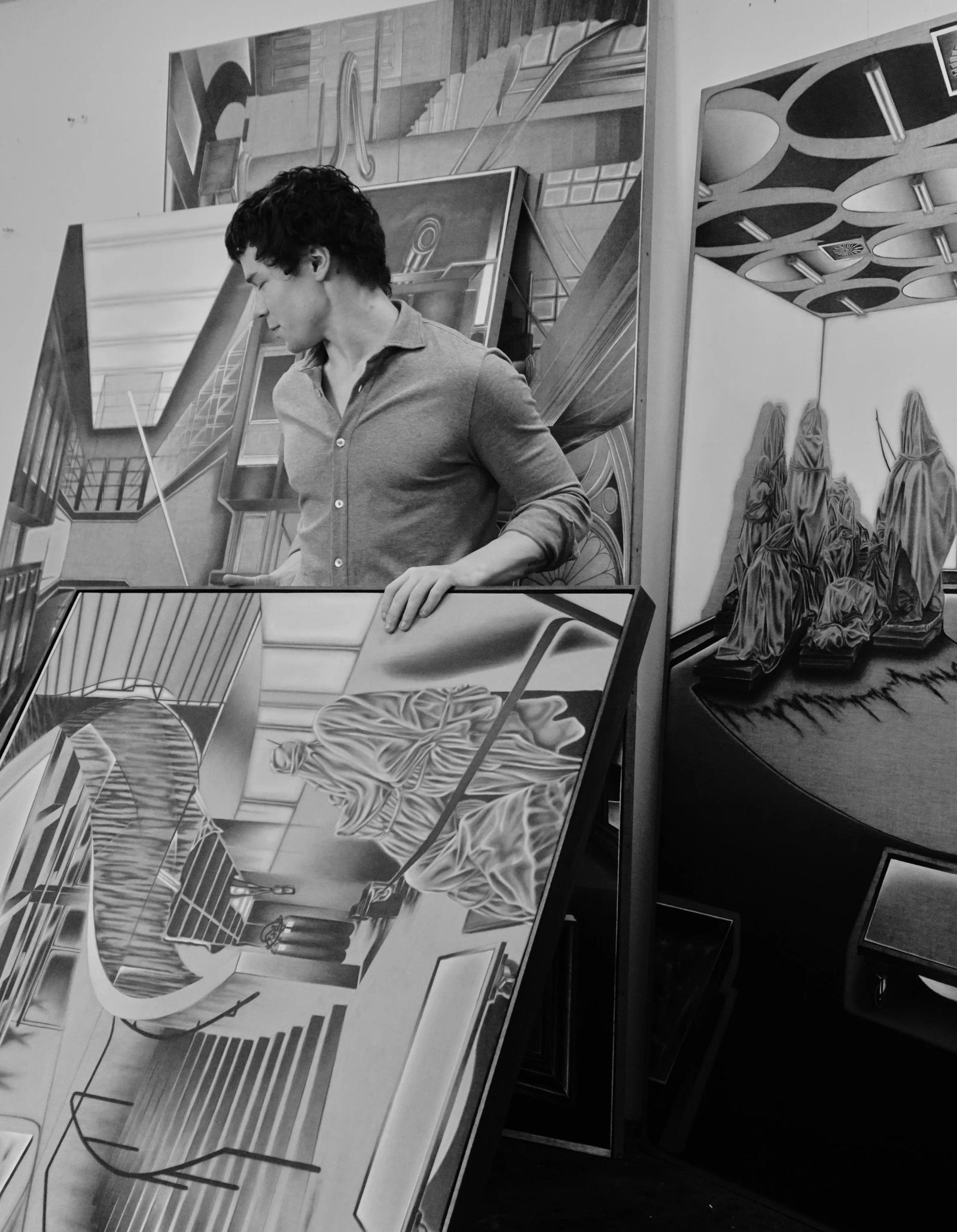
bP: After completing a body of work for a show does your anxiety typically diminish?
GM: No.
Comments
Leave a comment