

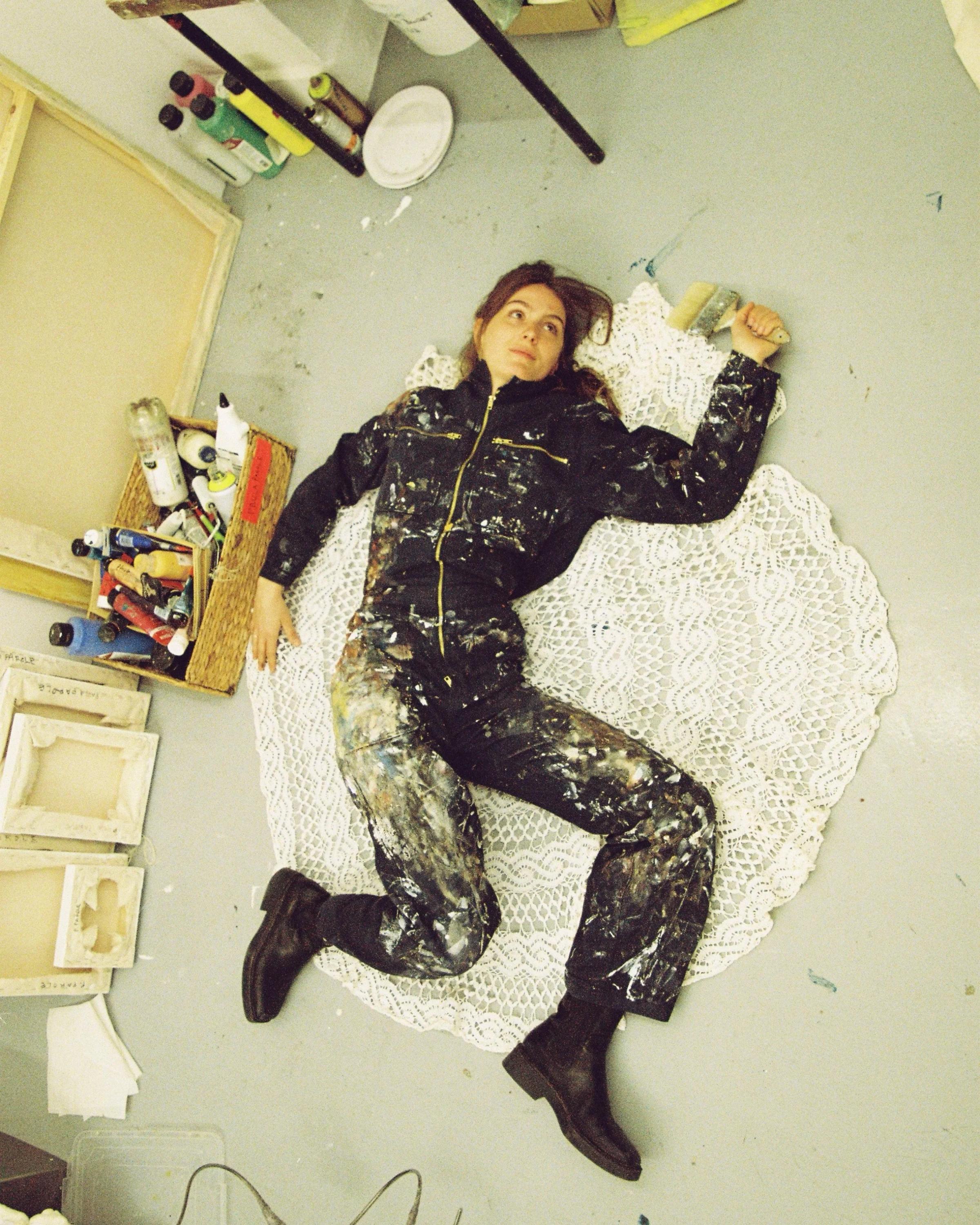
bP: You often refer to emotional and relational patterns rather than singular events. What draws you to patterns as a structure for making work?
PP: I like thinking about relational patterns as well as correlations to understand myself better and how we become who we are. It's a way of analysing human psychology (and myself). The relational is what drives us and what makes us human, so we need to reflect and understand it in order to change it. I like observing people and their surroundings, biases within it and try to see the context of where and how we were raised. I think for artists it's important to step out of our contextual bubble and dissect the things that we perceive as "normal" and reflect them back.
bP: In your process, how much is established before you begin, and how much emerges through the act of making?
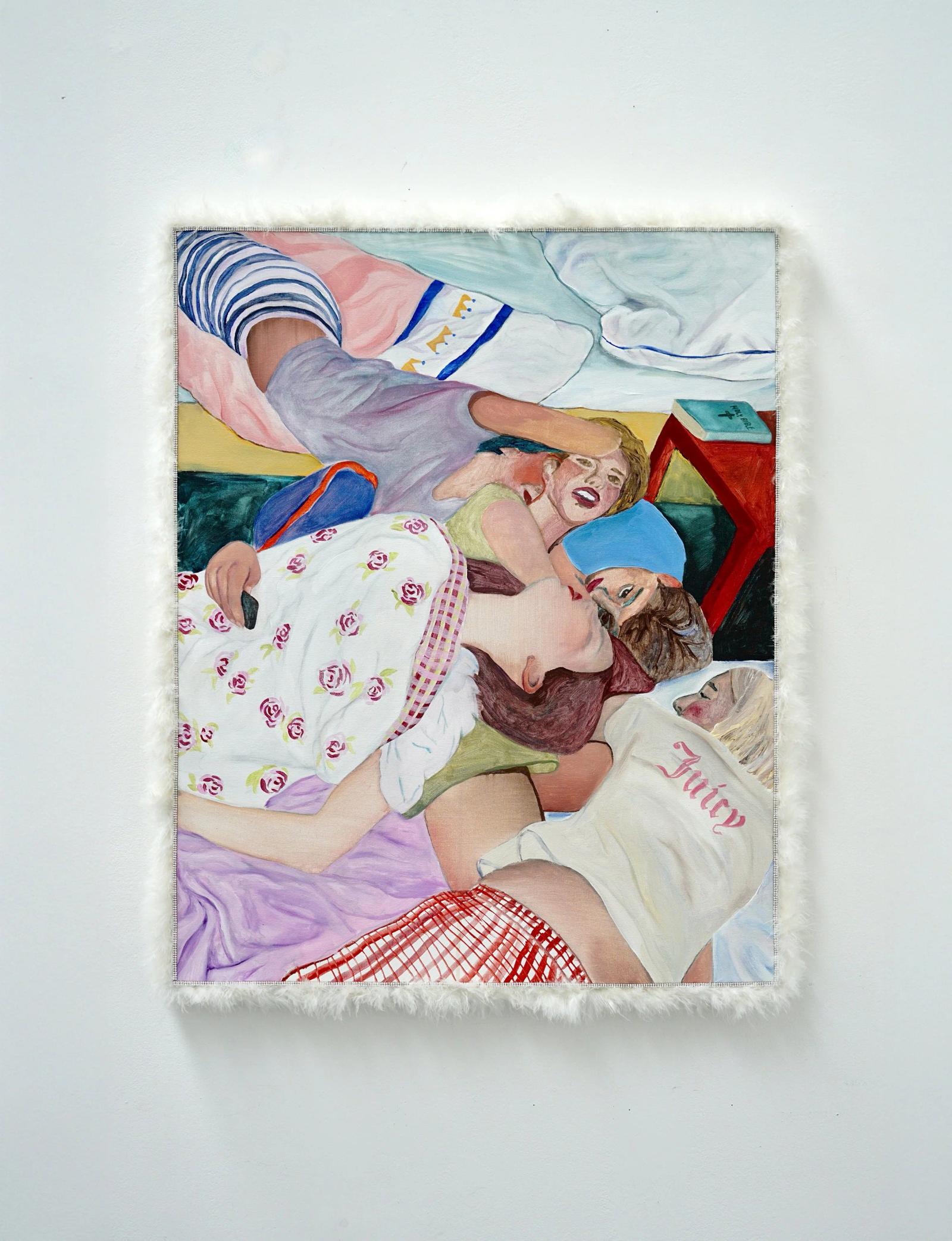
PP: I would say it's 40/60. The beginning is the hardest, it's a battle and it takes the longest, because I need to make choices. Once I make the first choices, the actual enjoyable process begins - the making - which for me invites spontaneity and is often freeing and intuitive. The actual interesting and more "radical" process is emerging in the later 60%. Sometimes I come back to works years later and rework them very differently because suddenly I have new ideas for them, and they finally make sense.
bP: You've described art as a space for reflection. When working toward an exhibition, how do you think about the viewer's role within that reflective space?
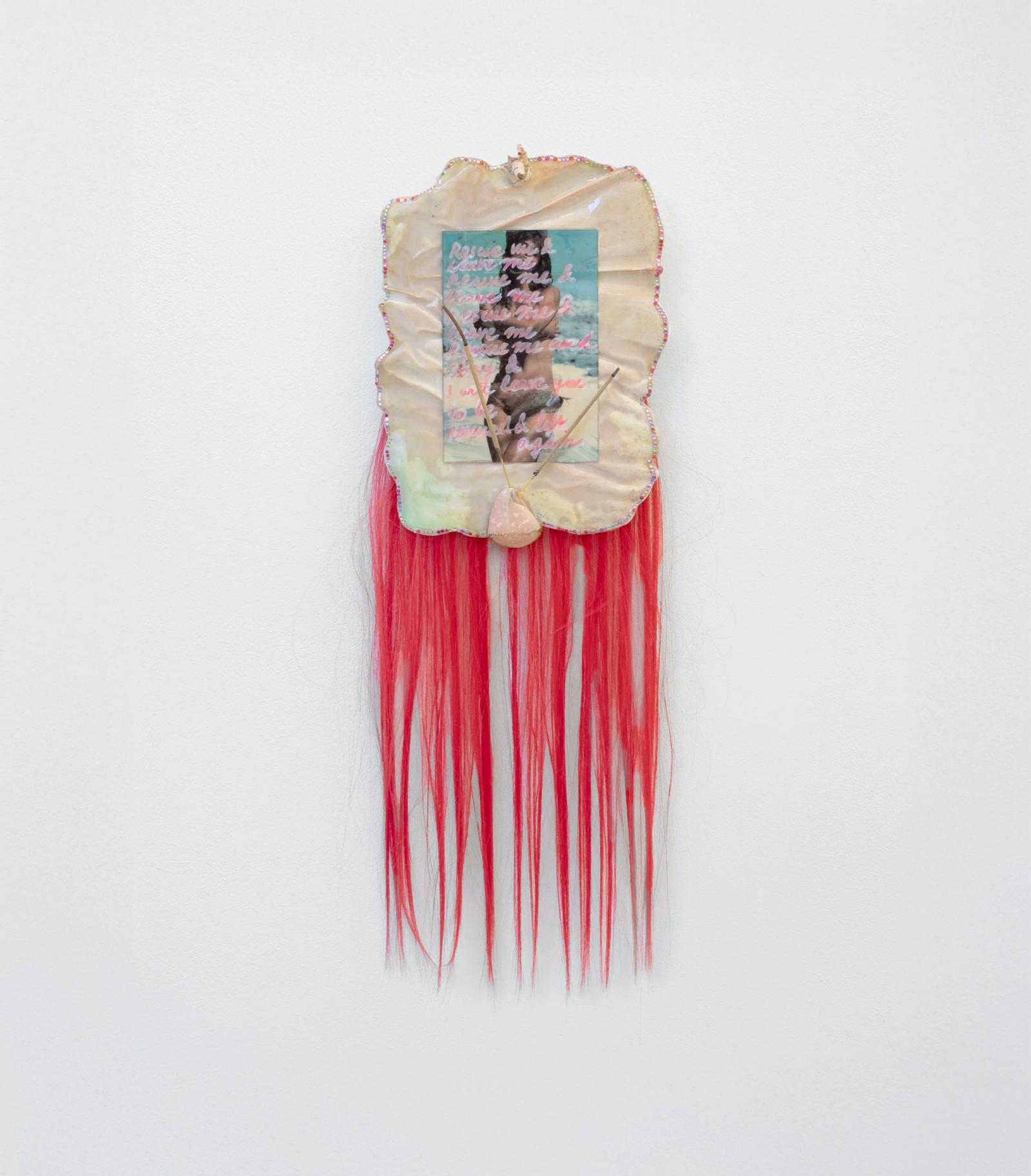
PP: To me the viewer's "role" is to just feel into the space and read their own personal reflection into it. I don't think it should be the viewers job to understand my work intellectually, by reading about it or having someone explain it to them. There is nothing in particular to "understand" in my work and I personally don't wish my works to have any agenda for the viewers. To me an exhibition is a space of reflection, it's successful if it speaks to the viewer directly and if it can evoke feelings, memories, or drive connections to their personal experiences, creating individual interpretation.
bP: When a subject recurs across your work, what keeps it active rather than slipping into repetition?
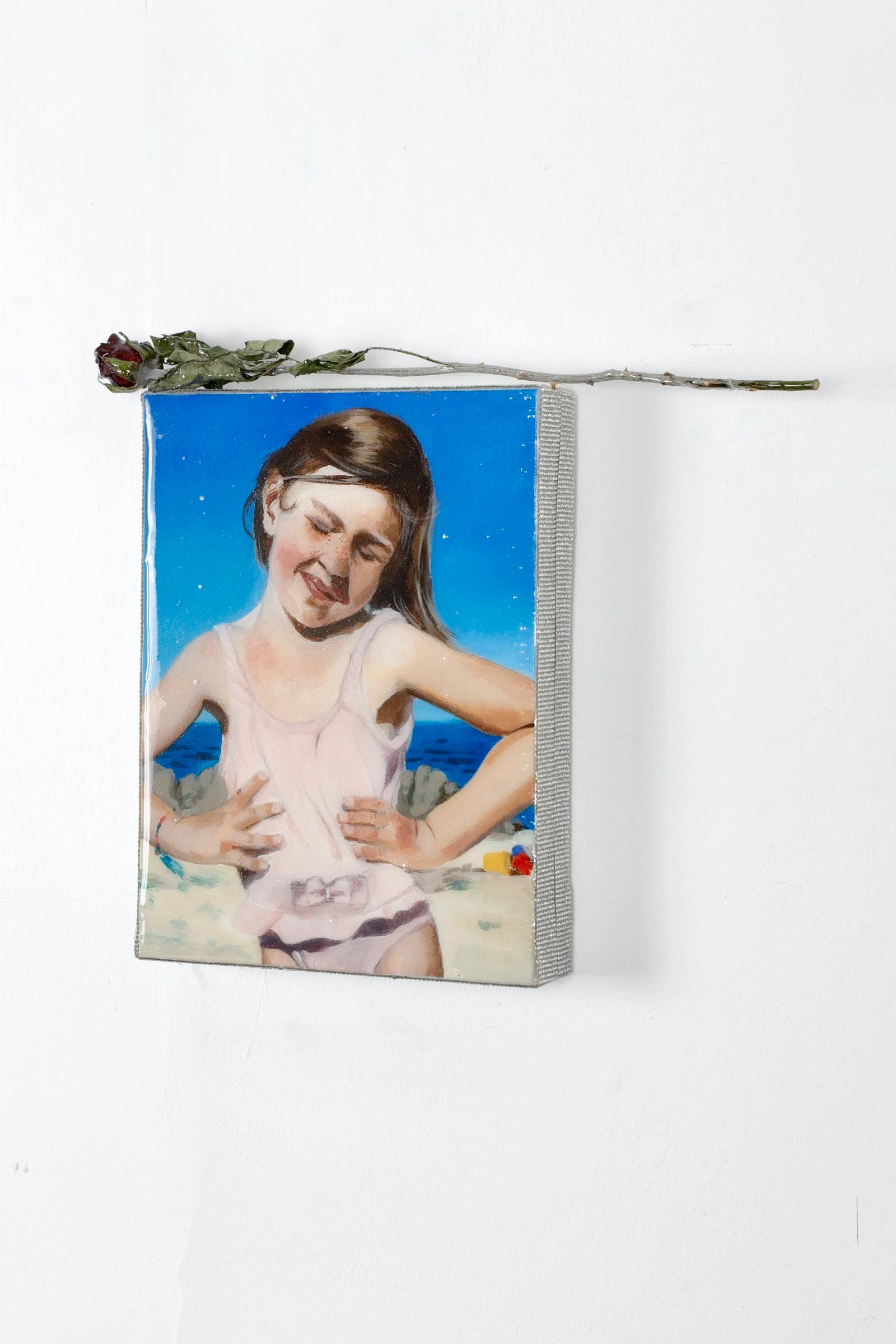
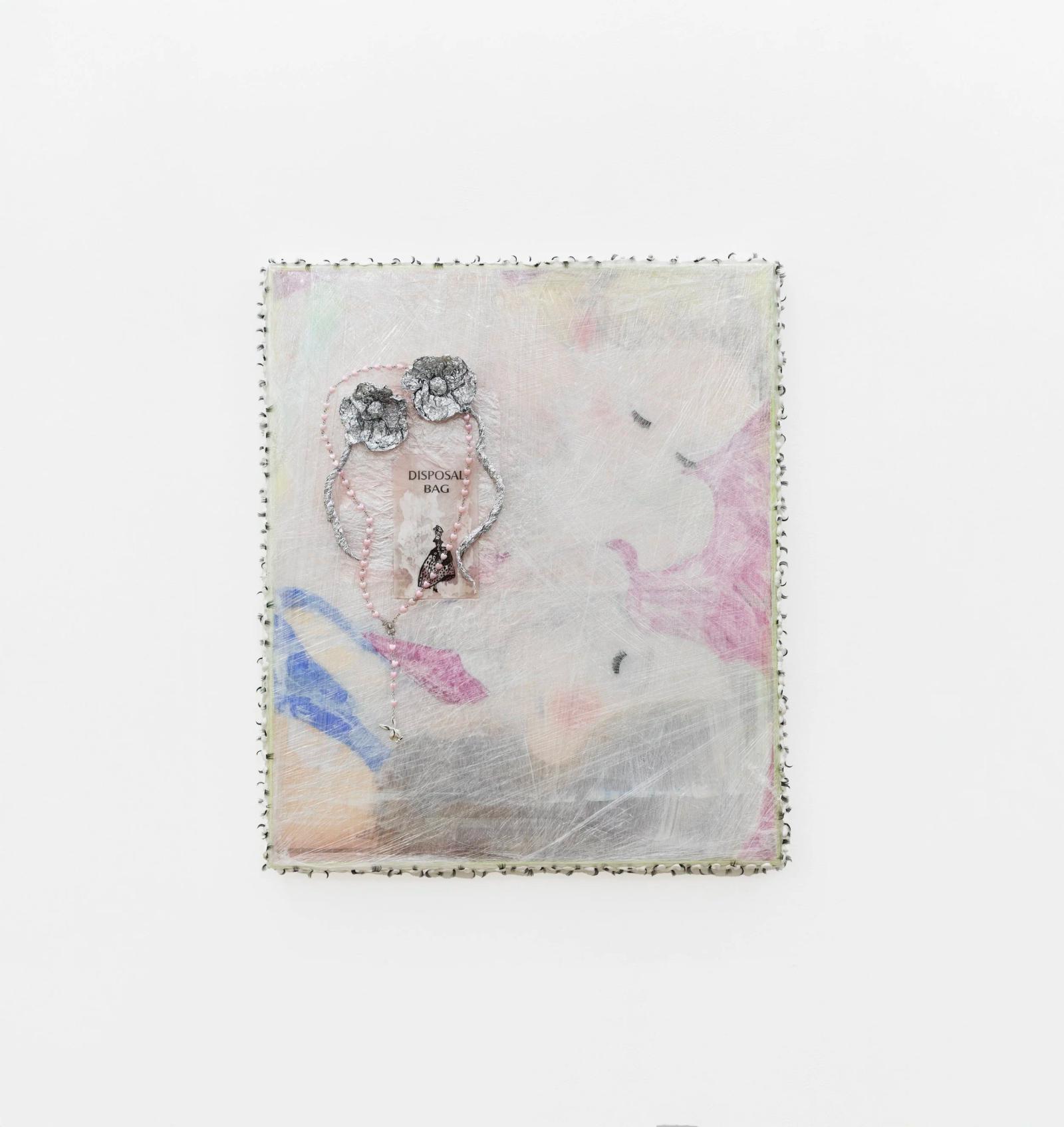
PP: Slipping into repetition is nothing I have a problem with. If anything it might be a "problem" (commercially speaking) that my work might not be repetitive enough, because I get bored by using the same subject or material quite quickly, and like to challenge myself all the time with new input. What stays and recurs essentially are my eclectic aesthetics of collaging, the distinguishing framing, as well as the overarching themes taken from my life as a lover, artist, sister, friend, daughter and potential mother.
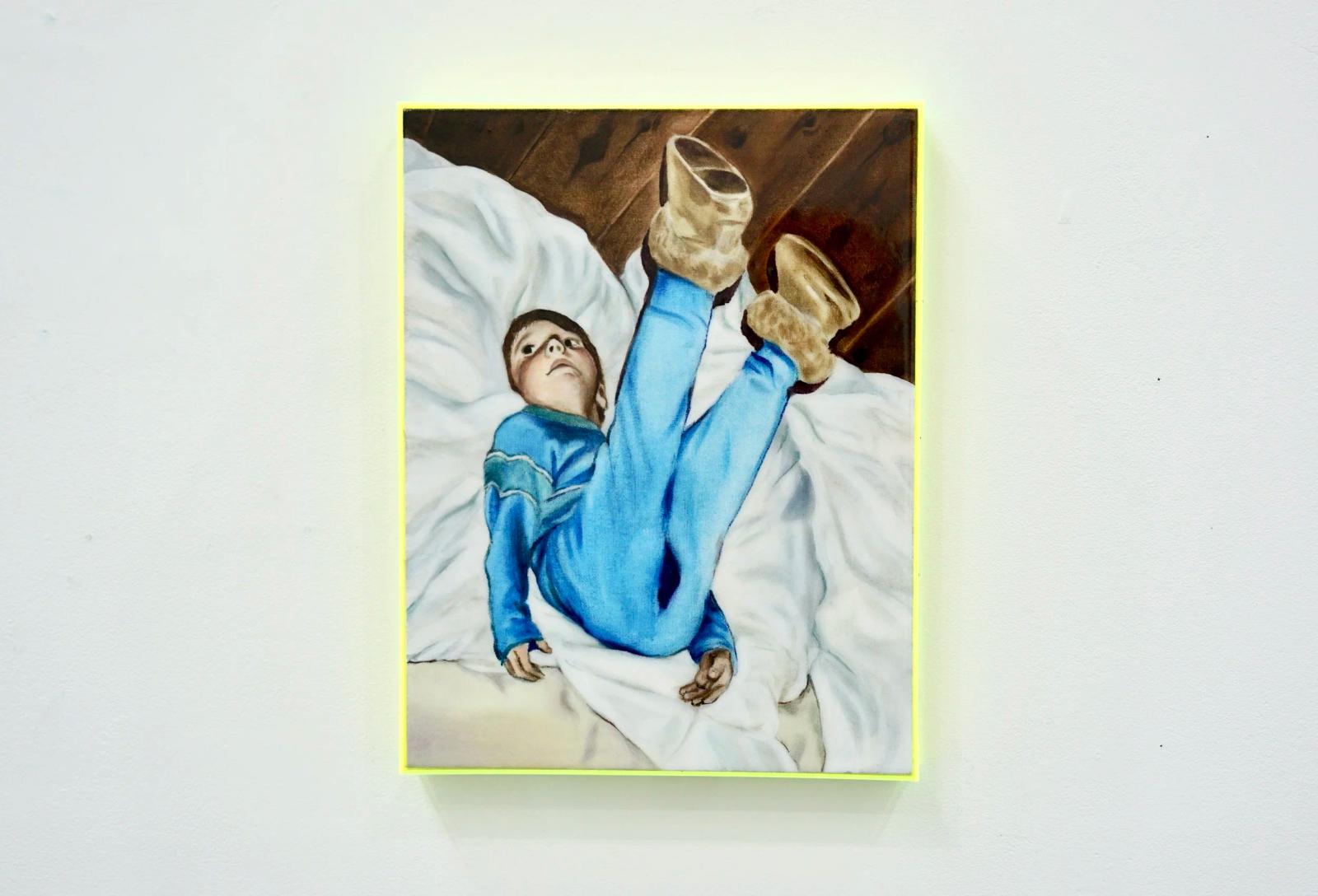
bP: You describe your work as personal but not confessional. How do you distinguish between those two modes?
PP: My work is always personal. If I would make work about something that does not relate to me, it wouldn't feel very authentic to me. My work can be confessional at times too. The confessional character is not always driven by a thrill to "spill my secrets" to a public, but rather by an urge that you feel when you journal about something that's been itching to get out of you. This kind of "emotional dumping" as much as it can make you uncomfortably vulnerable, also feels freeing. To me the difference is that if your work is publicly confessional it feels like you make yourself more vulnerable because it's very directly about you, whereas if your work is personal, you don't perse need to make all your work about confessional experiences. It can also just be more indirect and only you might understand what drove you to make it.
Comments
Leave a comment