

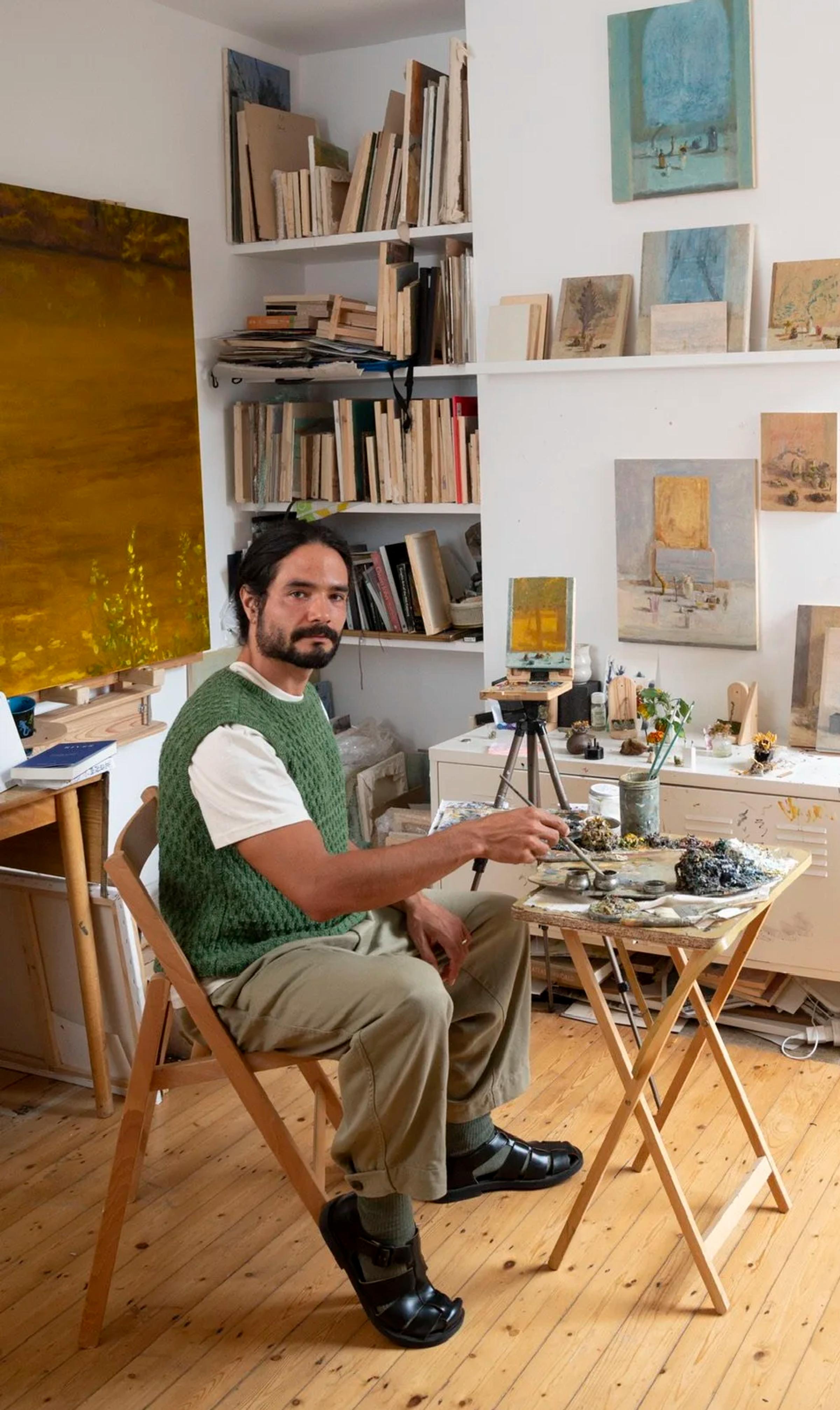
bP: You are from Viña del Mar born in 1990. How did growing up in that region of Chile shape your artistic sensibility?
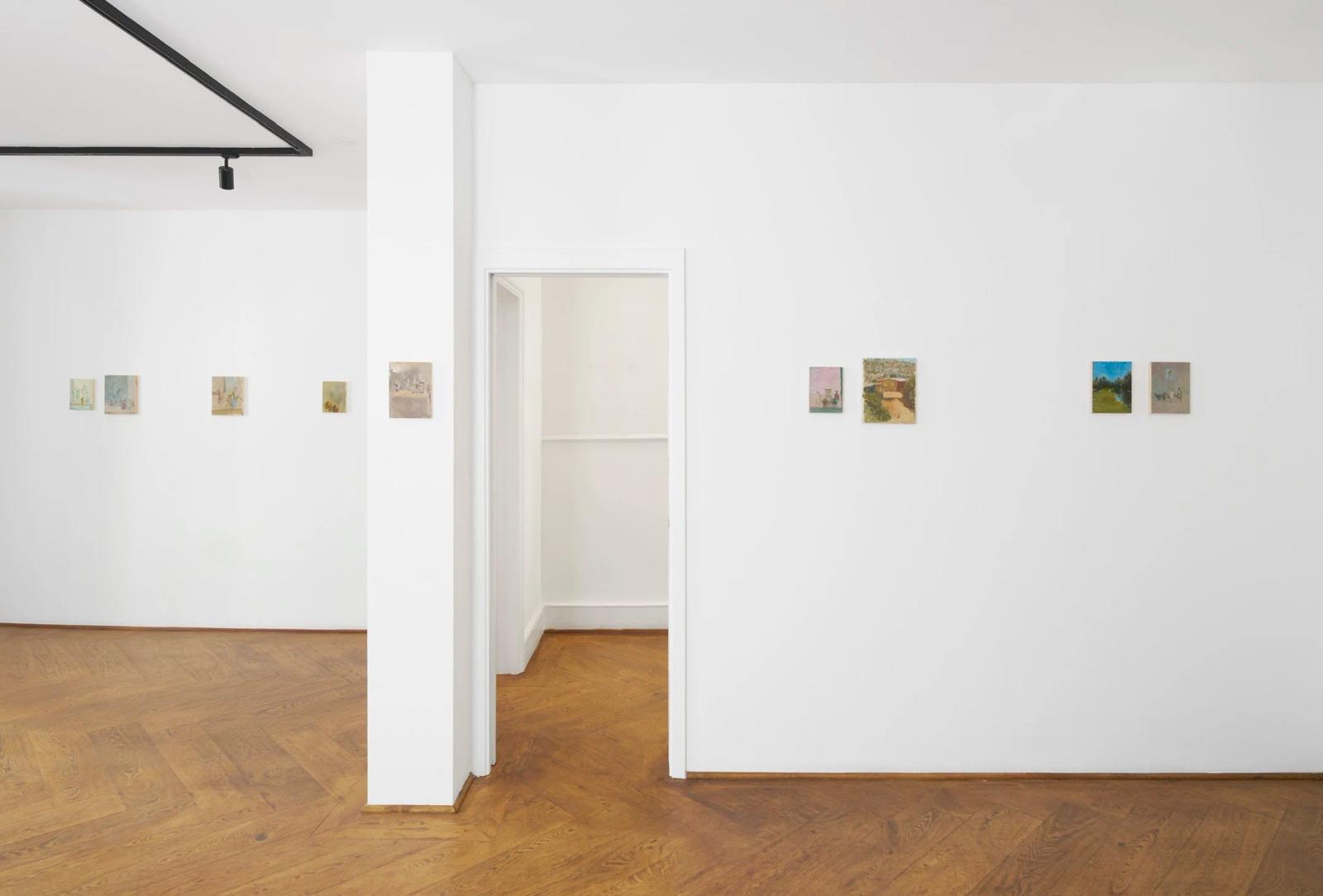
SE: Viña del Mar is a hilly seaside town. I grew up on the hills, with this panorama: sunsets over the vastness of the Pacific Ocean. The outskirts of the city, like a cluster of stars that dismembers itself. As in the depictions of Arezzo by Piero della Francesca. My home was beside a ravine, another space of infinite mystery. I spent my childhood mostly playing outside, in the garden, climbing trees and looking at the ravine, the ocean, and the seasons. There's plenty of sunshine all year round. But we do have vaguadas (a word that comes from 'bad weather') in the morning: a hazy cloud, an exhalation from the ocean, that covers the city from time to time. The arc described by the sun, the ocean, the view from above, the patchy forest in the ravine, the hazy mornings — all shaped my way of understanding space and time.
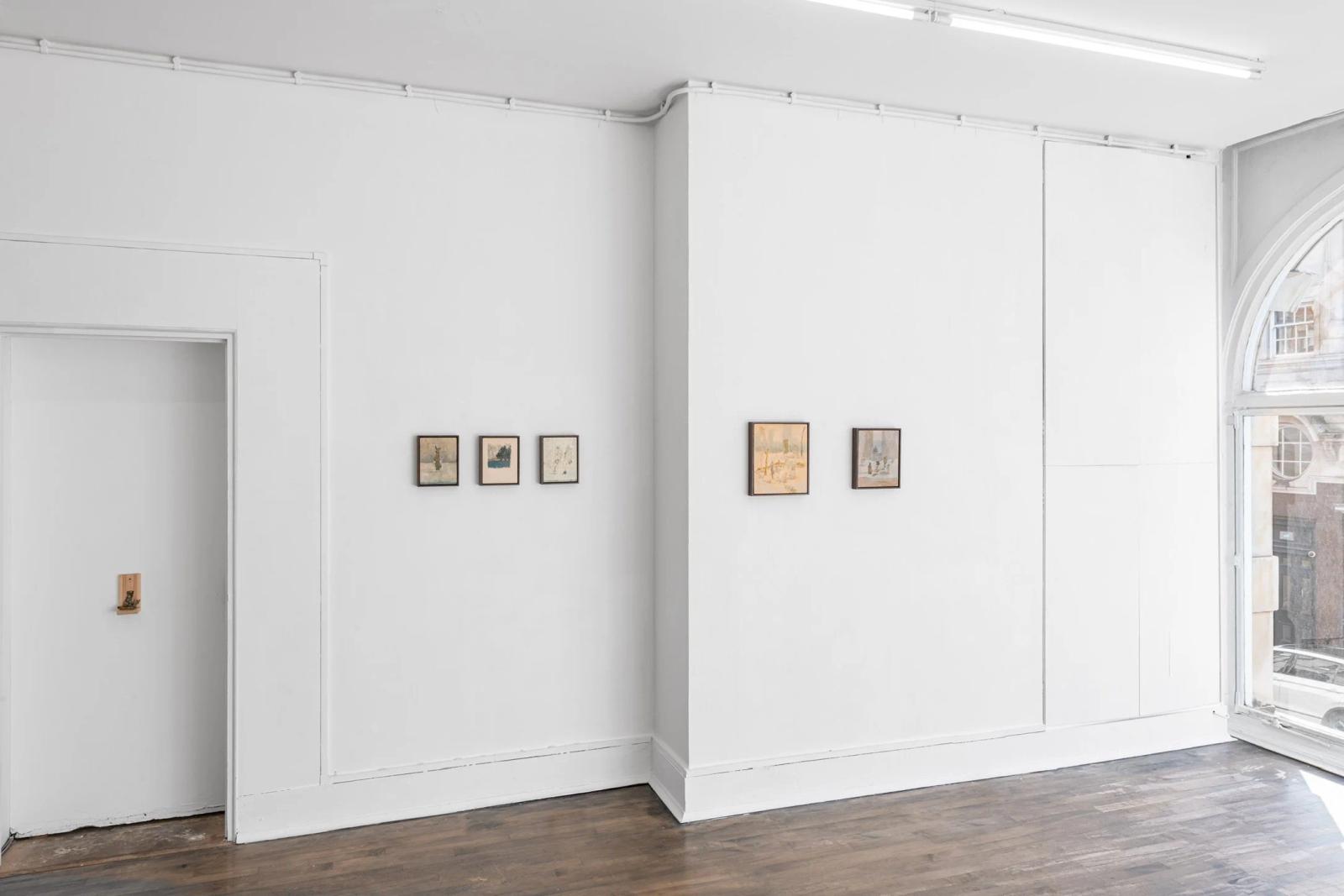
bP: When did you first recognise that painting was going to be your medium and what drew you to realism in particular?
SE: When I read Juguete Rabioso by the Argentinian writer Roberto Arlt, I thought that I could have been anything. The main character, the young Silvio, is potentially anything. But social conditions determined his fate, and he became a thief. In a way, with painting, I feel the same. Potentially, it could have been any other practice. But, passively, I have been drawn into it. It is a safe place for being alone, and for opening a small interval of time and space. After graduating from the BFA in Santiago, I opened a bakery and painted just a little bit for seven years. It was during the pandemic that I began to find in the practice of painting a way to reconnect with those intervals again. My practice, though, has always been tied to attention. Those intervals are not escapism. I feed my practice from what I see. I start from there and, constantly, during the process of painting, I ask my eyes what to do: looking at a reference. I completely lack the ability to paint from imagination; it's another muscle. That's why I consider myself a realist painter.
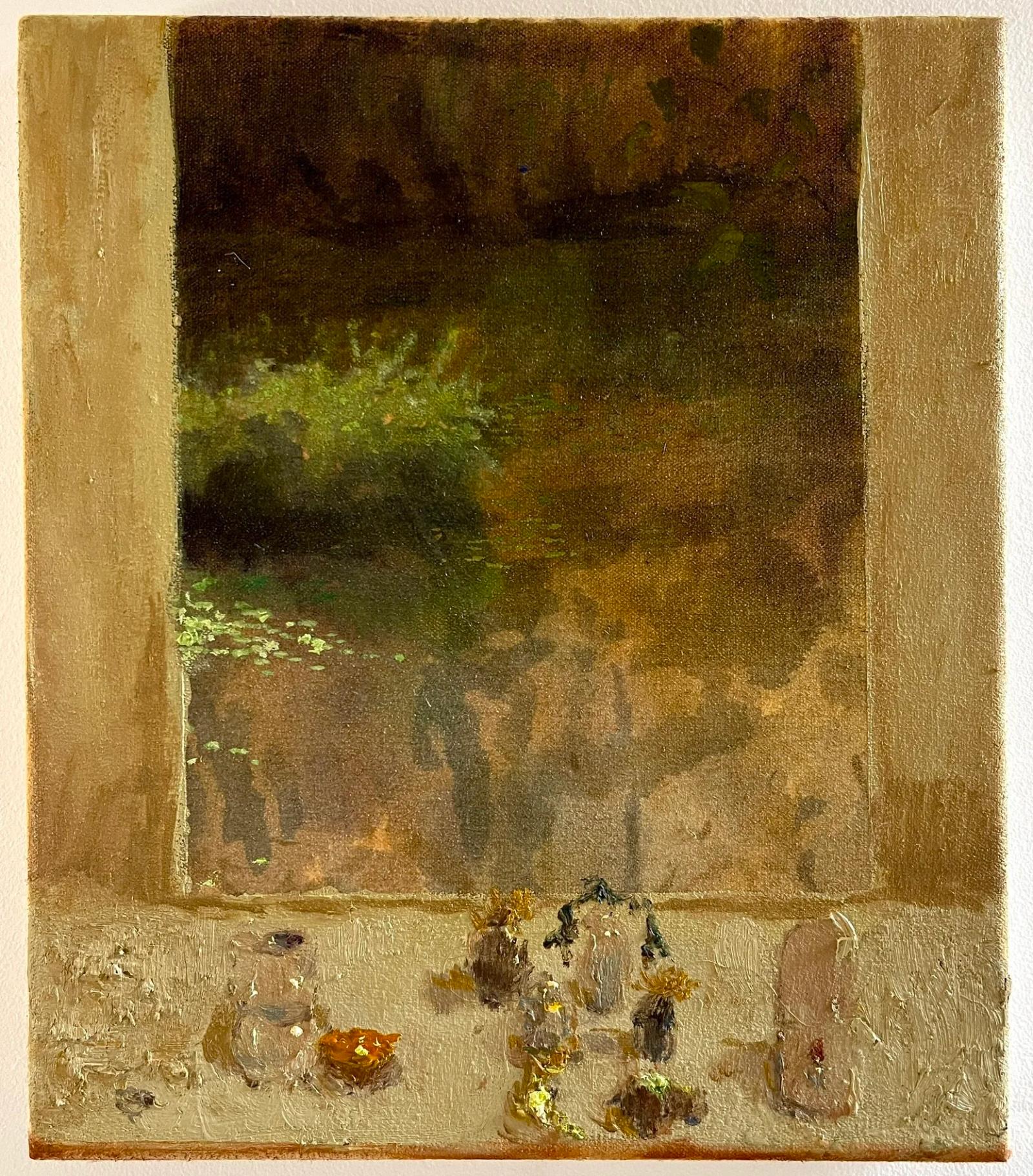
bP: Are there places you return to mentally or physically when seeking inspiration?
SE: I don't feel comfortable with the word inspiration. It's difficult to say whether we are in control of our creative processes or not, to the point that I don't even want to ask myself that question. I always walk in circles, always go back to the same brook here in London. Turning, every season, to the same place. I go back to the same objects on my table. I eat almost always the same breakfast. However, it's always different. My practice stands and flourishes because of my routine. I don't want to be efficient or optimize my painting process. However, I do want to optimize my life to have a better painting practice. That means going back, having a routine. The practice itself, as a concept, embodies a balance between repetition and innovation. Same as going back to the park.
bP: Much of your work is about everyday scenes, spaces, interiors, domestic life. What interests you about ordinary environments and what do you seek to reveal through them?
SE: As I think of my practice as an attempt at attention, a way of attaching my senses and thoughts, I always start from what I have close to me. I often think that my subject chooses me, not the other way around. So I walk and the subject finds me. I just need to be open enough. I want to reveal that figures depend on the background. That's what I like about painting. It's a fairly decent medium for working with the relationship between figure and ground. I try to bring the same understanding to my life. And the same happens with my paintings when they are finished: they are figures from this background, from my home (I work where I live). There is an intimate bridge, a nurturing sense of belonging between my practice, my place, my subject. All that surrounds me becomes me, and I dissolve a little bit with every breath.
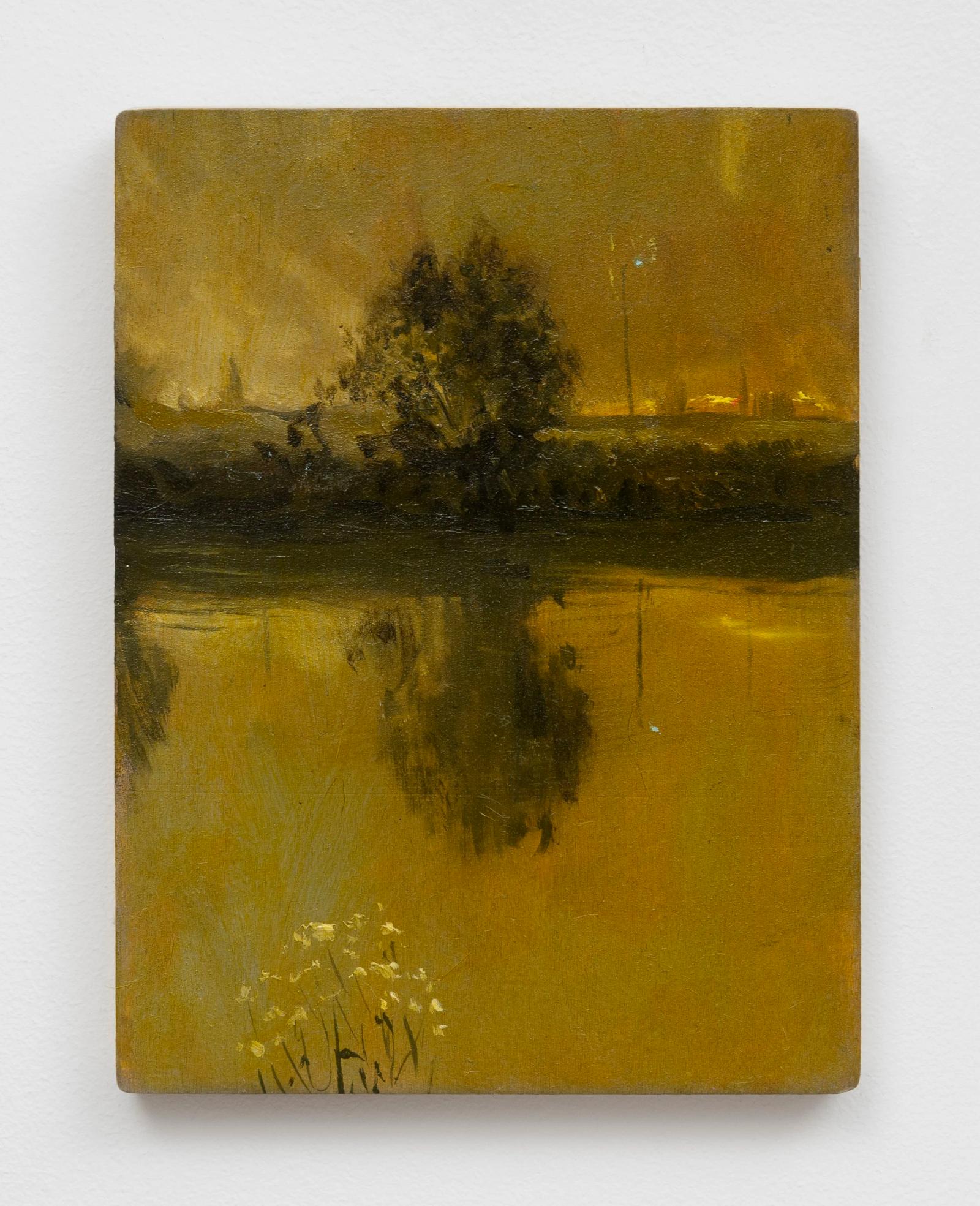
bP: Light features as an important element in your paintings. How do you think about light in relation to mood, memory, or atmosphere?
SE: There is a particular school of realism in Chile. Adolfo Couve said that everything is grey. The red apple is grey. The act of painting is an act of subtraction, of diminishing. The surface, a grey puddle. After that, there's a tonal system that can translate something about the experience of light onto the surface. The magic happens when a tone deepens and another moves to the forefront. That interaction is the clue that holds the tonal device in painting. Light turns into a language, a roof where you can throw different expressions and still find logic, some kind of harmony. I find this so powerful, because you can reach some unpredictable shores. The tonal structure allows you to play under and over the surface, pushing the chroma and temperature, without risking the sense of the whole. In that sense, light allows me to go beyond mood, atmosphere and memory if we think of realism. It's a structure that can drive you to a material revelation without losing the reference. I encounter a particular mood or atmosphere, more than searching to describe it properly.
bP: What non-visual arts inspire you (poetry, literature, music, film) and in what ways do they feed into your work?
SE: I feed my unconscious mind mostly with literature and music. I know that there's a deep connection with those sources, but I'm not aware of it. I know without knowing. I feel that they push me like gravity or grace. To the ground, or to the sky. But I don't plan anything in dialogue with non-visual expressions. They play a silent role.
Comments
Leave a comment