

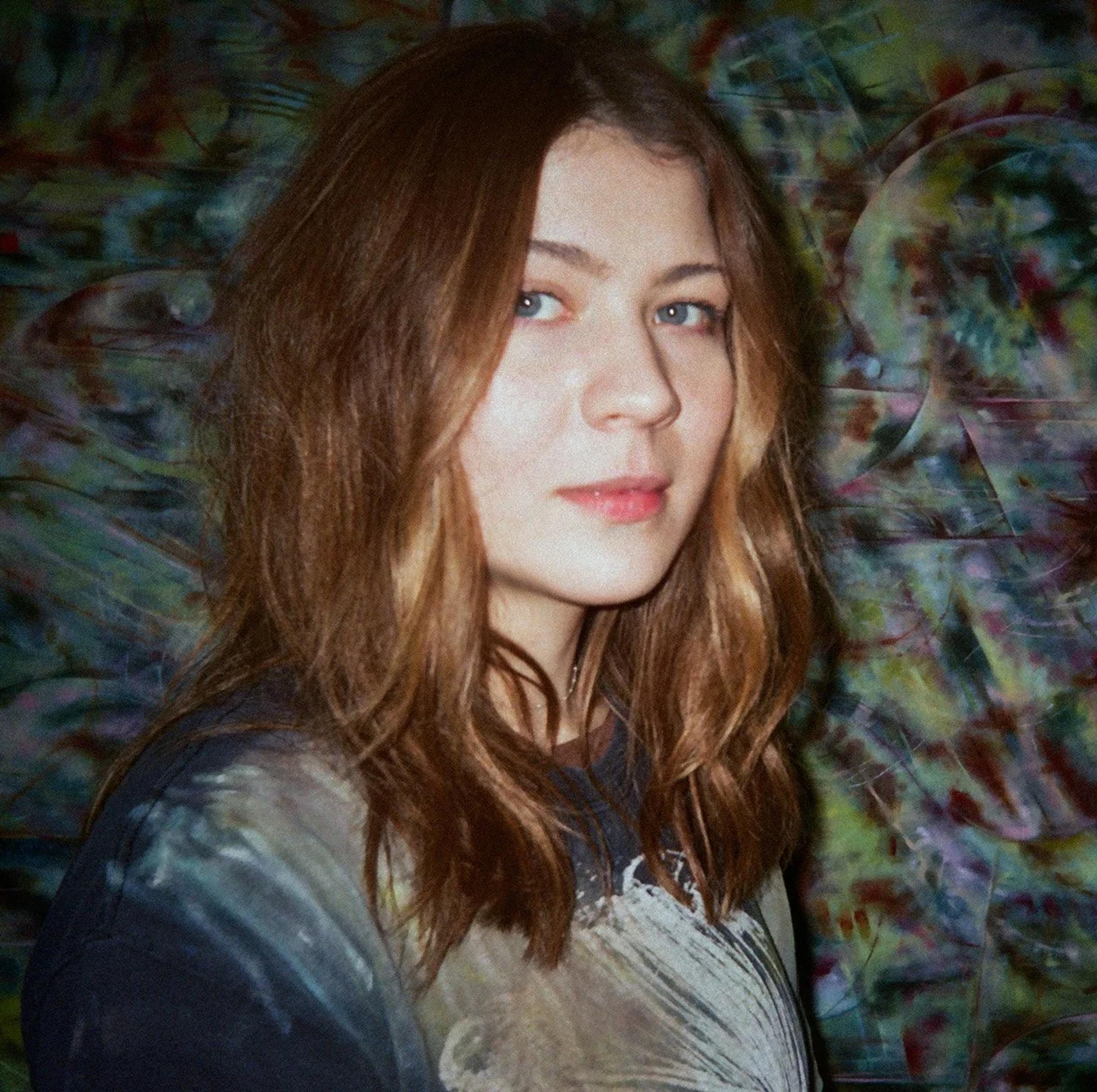
bP: You work from memory rather than reference, describing memory as a copy of a previous memory. When does distortion become an obstacle rather than a generative force, and how do you respond when memory itself feels unreliable?
KC: Saying that I work from my memory is both useful and true, but also very vague. It is the best way to describe what happens in my process because it is so instinctive and intuitive. It is less a conscious or cognitive memory and more a bodily memory - very spontaneous impulses and short bursts of sensation. For me, painting is a way of getting rid of things, and in that sense the intention lies already in the sheer act itself; meaning then arises naturally through doing. Memory will forever remain unreliable because it's poisoned by subjectivity and altered by time. That unreliability is not separate from memory - it is part of it.
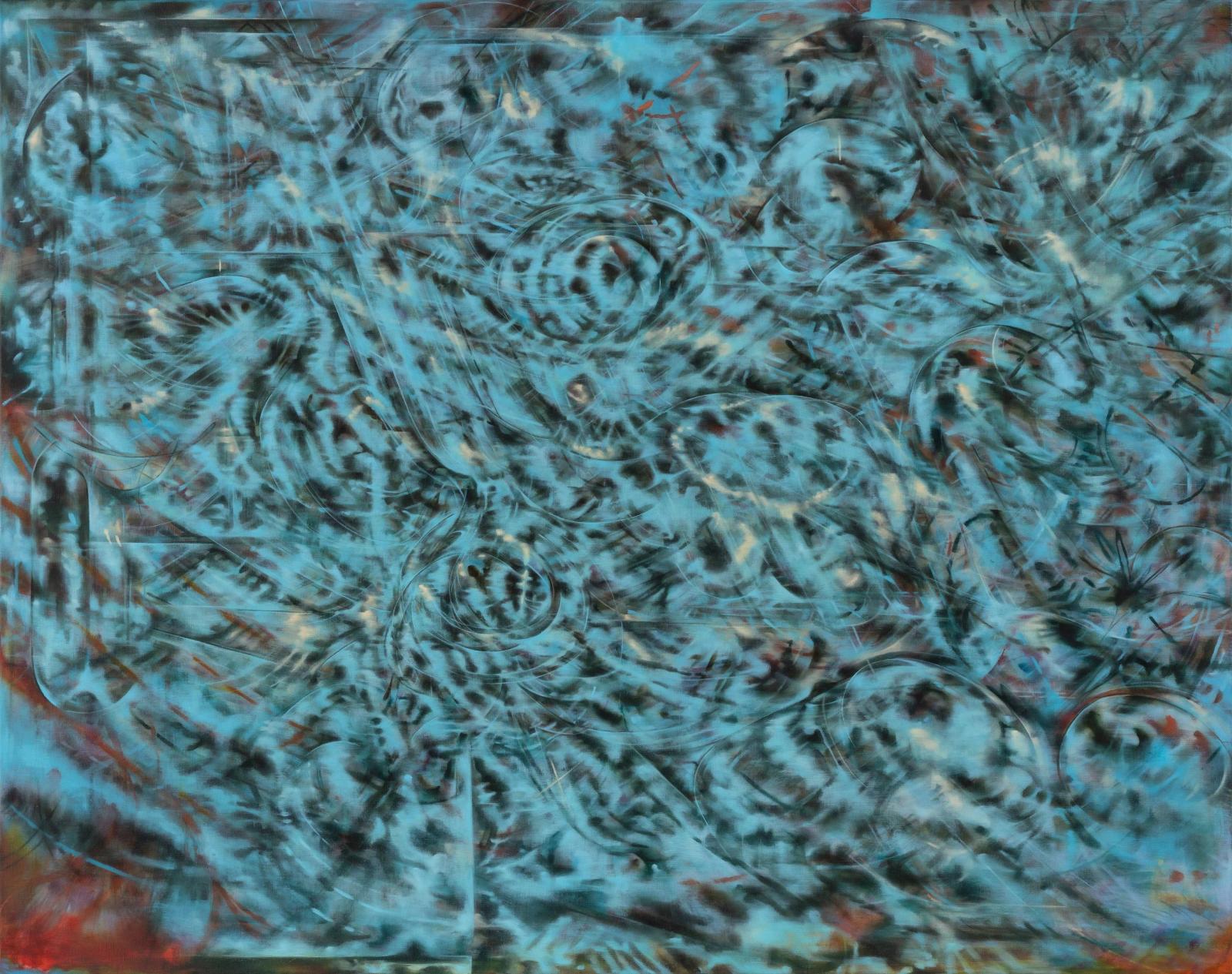
bP: When a painting feels unresolved, how do you move forward without prematurely closing it. What questions guide you through?
KC: In a way, all paintings are always prematurely closed. You can create new beginnings within a single painting and treat it as an object in a constant state of becoming. It is always asymptotically approaching the final work. For me, the question is less whether it is finished and more when I want to step away from it. There are many moments like this within one painting - a single work contains multiple others. It is about deciding which one I want to allow to exist at a specific moment in time. I also tend to question what the painting needs rather than what I want to do with it.
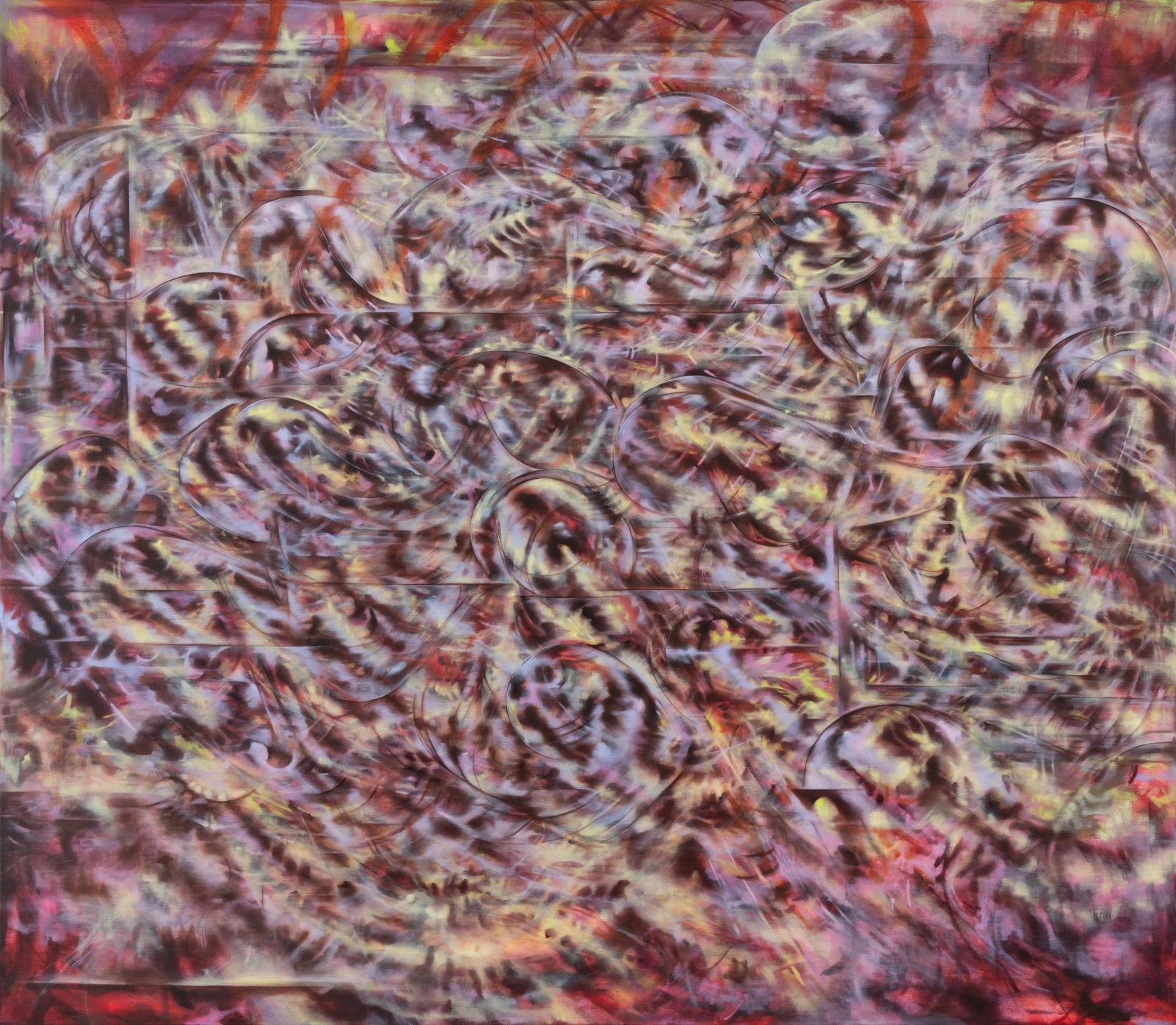
bP: When working across multiple paintings simultaneously, how do you recognise the moment when one work begins to borrow too heavily from another?
KC: I try to stay as aware and observant as possible and recognise when that starts to happen, but I do not resist it. If the painting needs these borrowed moments, then so be it, I do not go against it simply for the sake of avoiding repetition.
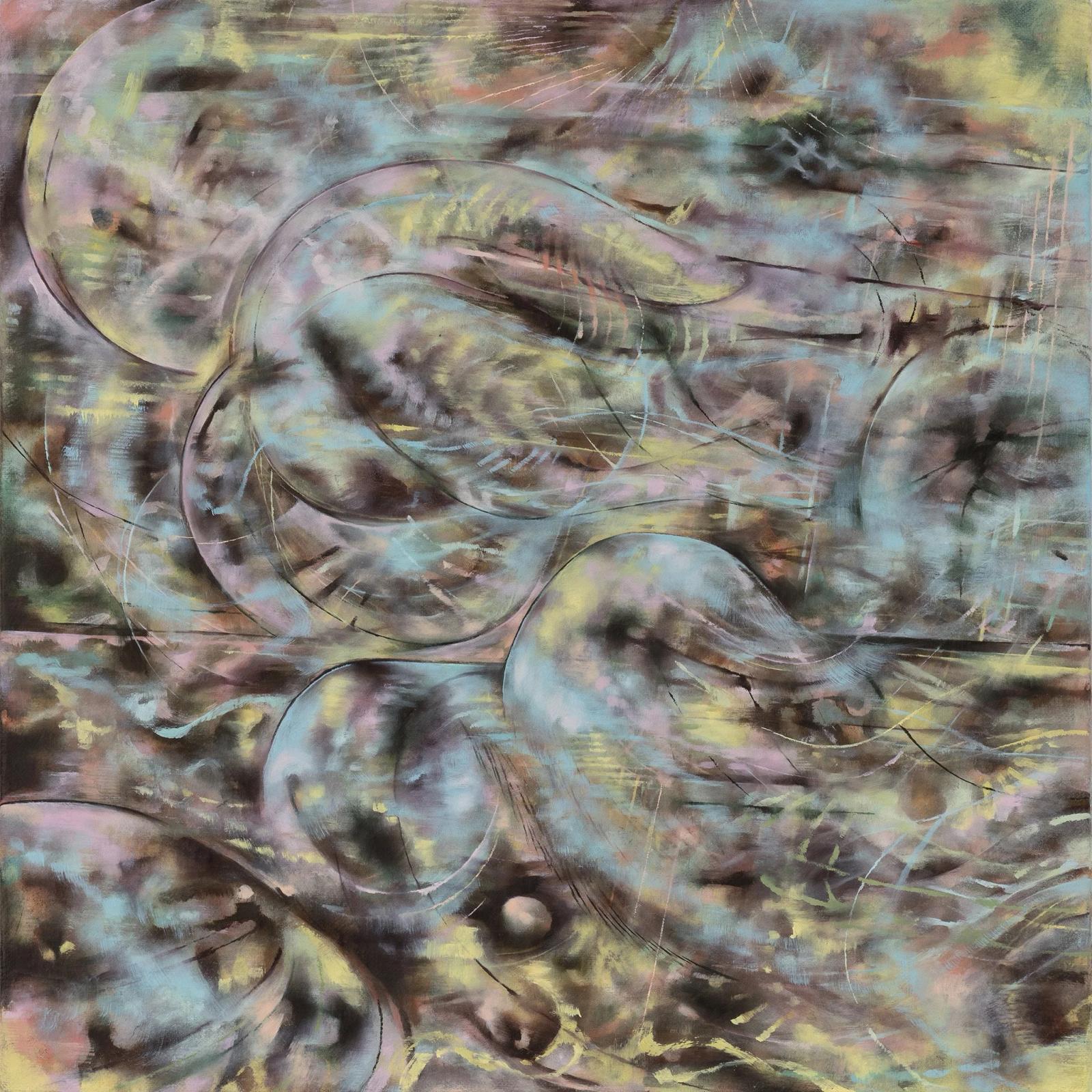
Katarina Caserman, To all my lovely Winters, 2026.
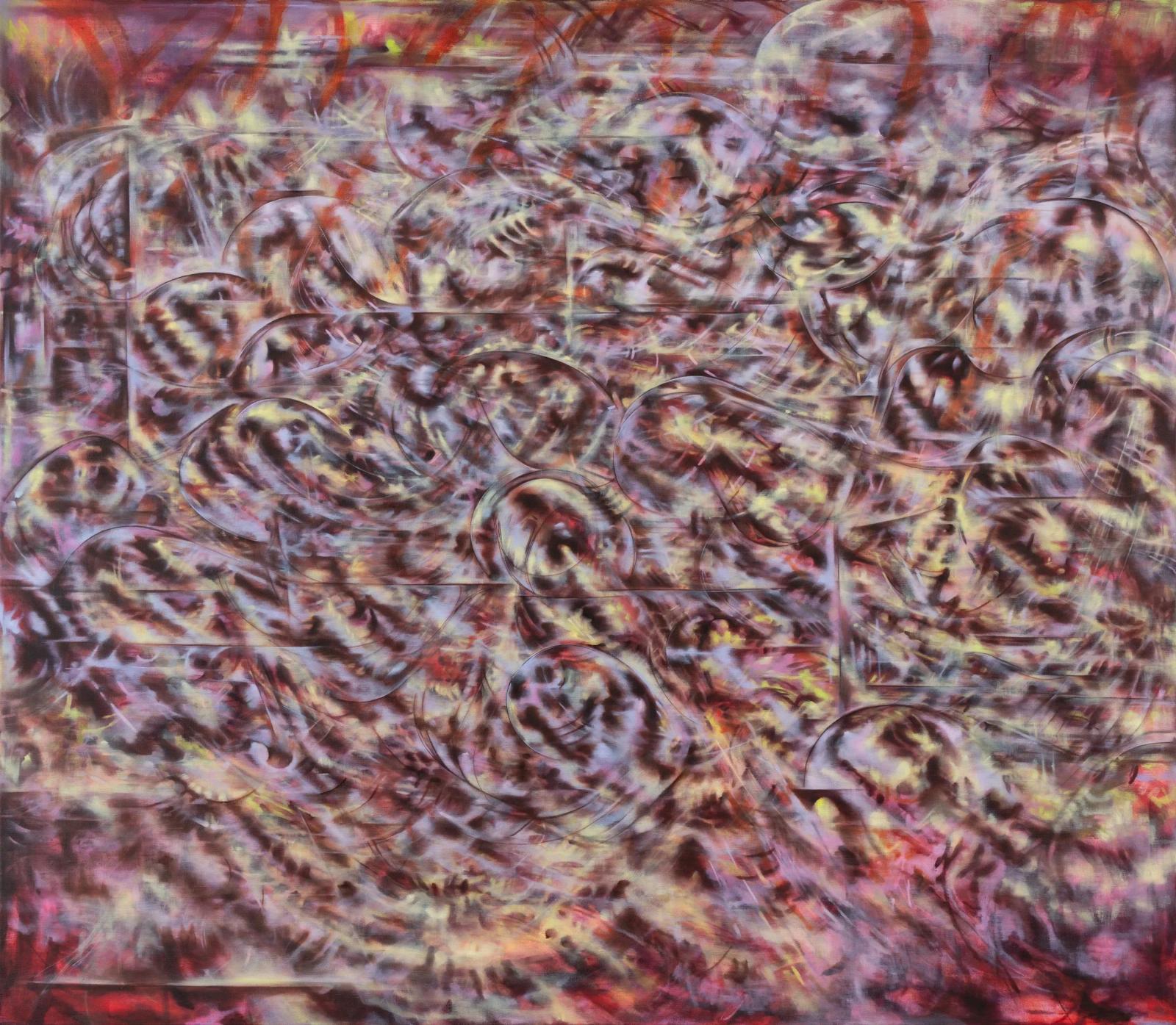
Katarina Caserman, Frazinhex (Twice in a red moon), 2025.
bP: How do you determine whether a painting is asking for further intervention or for restraint?
KC: This is incredibly challenging, since I cannot rely only on formal aspects, but I also cannot go by feeling at all times. Feeling can become confusing. Sometimes I work on one painting and keep turning around to another, as if it is begging for more, and sometimes the painting is begging for me to stop. It is not obvious or straightforward, so at some point I have to make a decision, accept the painting as it is at a specific moment in time, and be at peace with it.
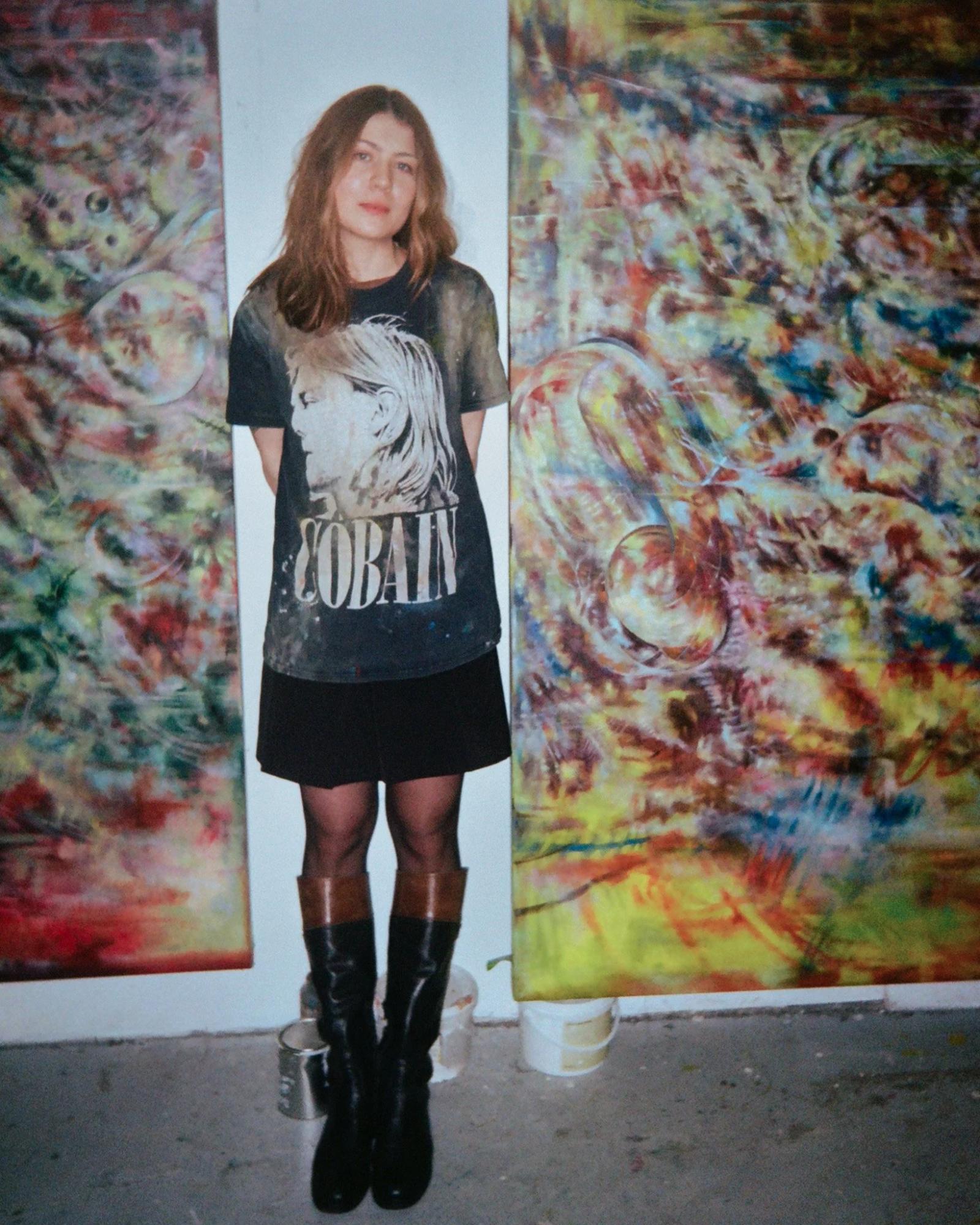
bP: How do you negotiate control when the work is driven more by intuition than by intention? Do you course correct or do you allow intuition to take over?
KC: Painting forces me to let go in a way that does not come naturally to me. I have a strong need for control, so in that sense painting constantly asks me to let go and surrender. Without that tension, the work cannot really happen. But control also has an important role - it reintroduces order into chaos when needed, and it helps me understand the work better when overly lost or confused. Intention is always there, even if it's not obvious at first - I need to keep asking myself what do I want to say, what needs to be said? Even if that's not the starting point, the painting eventually reveals what that is.
Comments
Leave a comment