This is the kind of testimony that makes the residency sound not only worthwhile but essential. And, for many artists it genuinely is — not necessarily because every residency produces work of that weight, but because the conditions it creates are difficult to manufacture elsewhere. Artist Sabīne Šnē, who tries to do at least one residency a year, describes the appeal in terms of productive disruption: "[Residencies] push one outside familiar surroundings and comfort zones. They disrupt routine in a productive way, like pressing a reset button you did not realise you needed. You return home slightly altered, carrying new ideas, new relationships and a collection of questions that will probably turn into artworks later." Her preference is for research-led programmes that include studio visits, field trips, talks, some form of mentoring. "They function as a temporary laboratory for shaping new ideas and testing them, but also as a kind of pause, a mini vacation. You are still working, but differently. You observe more, listen more, walk more, and thinking counts as productivity."
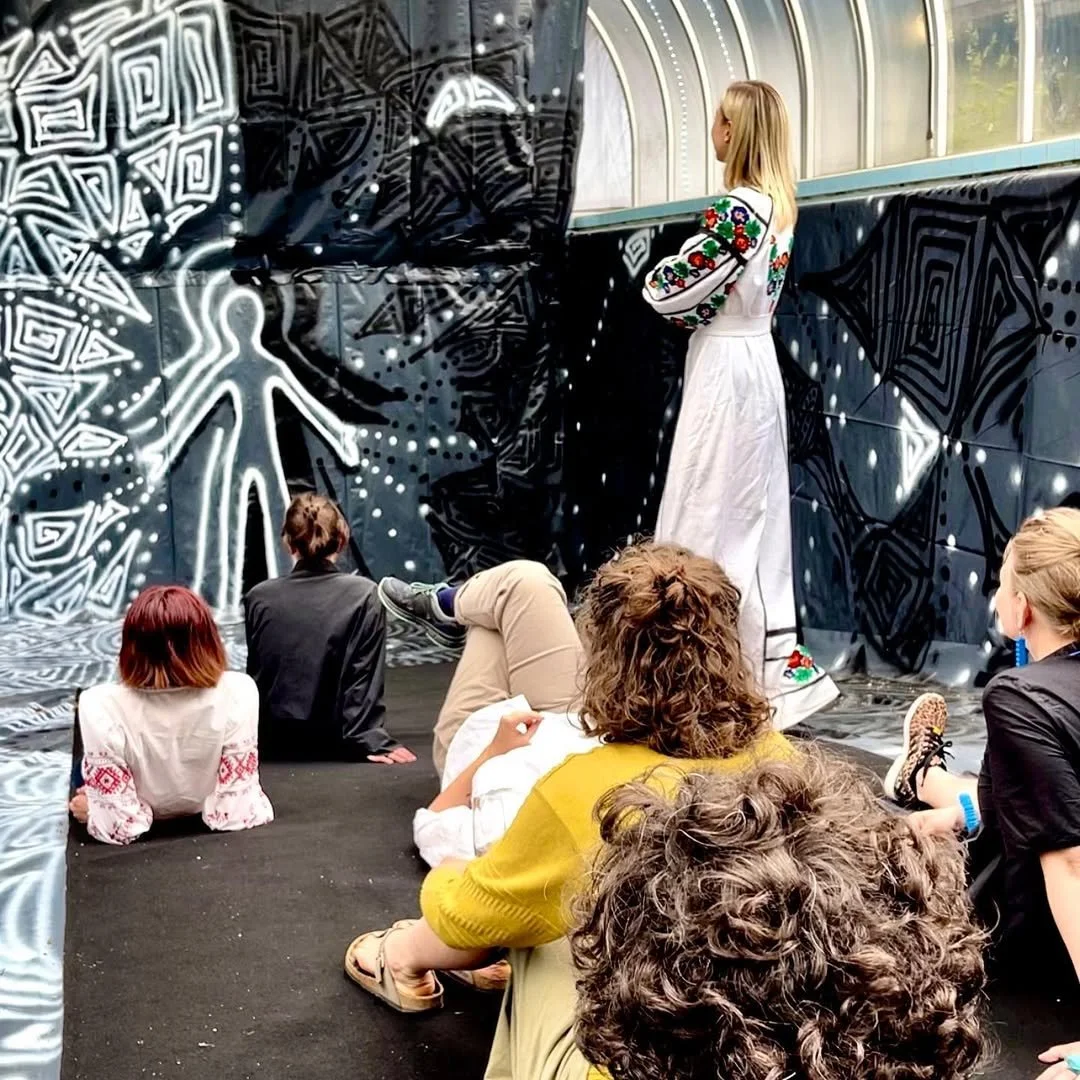
There is also something less tangible but equally valued: the community. Šnē describes residencies as one of the few situations in adult life where you are placed inside a small temporary community of strangers with a common purpose — cooking together, exchanging reading recommendations, borrowing tools, complaining about your projects. Residency friendships, she notes, often outlast the residency itself. Revoniuk says the same. It is a reminder, as Šnē puts it, "that artistic practice does not exist in isolation" — which sounds like a platitude until you have spent enough years in a studio alone to understand exactly what she means.