

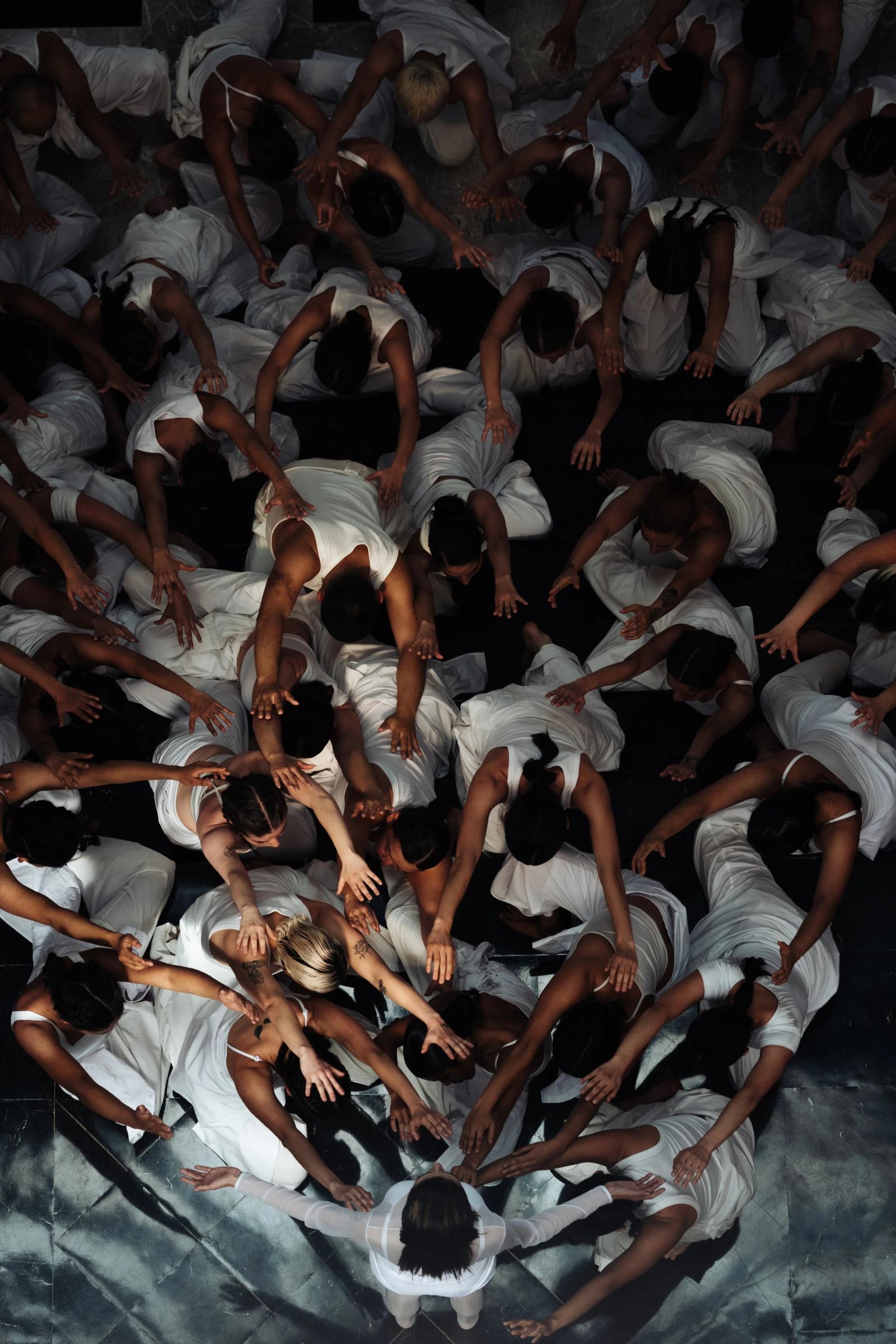
Anyone unlucky enough to be back from Mexico City knows how long it takes to come down from that level of overstimulation. You’ll fumble for days, trying to give your frostbitten friends a coherent account of your stint over there. I even had the nerve to delay my return flight to make it through Art Week. They won’t let me go, I texted my partner. A couple of art fairs, dozens of openings and too many late nights followed. Beneath all that churn, a seismic pulse kept registering. To my eye, it resembled an artist-to-artist value system. We were running on a parallel currency—artists sharing opportunities and circulating attention, access, labour, and care. Against today’s saturated, zero-sum art world, this peer economy stood out as much as the homegrown generosity that has held this event together for over twenty years. Past the jet lag, but still under the spell, here’s what stayed with me:
Artist-run galleries and residences
Guadalajara90210, founded in 2017 by Marco Rountree and Alma Saladin, annually takes over the factory-like hall of Espacio Báltico’s studios to show a group exhibition of emerging artists.
“Their instinct for spotting talent amongst their peers is sharp, to say the least.”
Érase una vez un universo salvaje features works by Raúl Rueda, Denise Julieta, Ernesto Solana and Joshua Merchan Rodríguez. Their instinct for spotting talent amongst their peers is sharp, to say the least. Case in point: last year, I couldn’t help but walk out with a heart-shaped chair by Roberto Michelsen. Call it a momentary lapse into collecting.
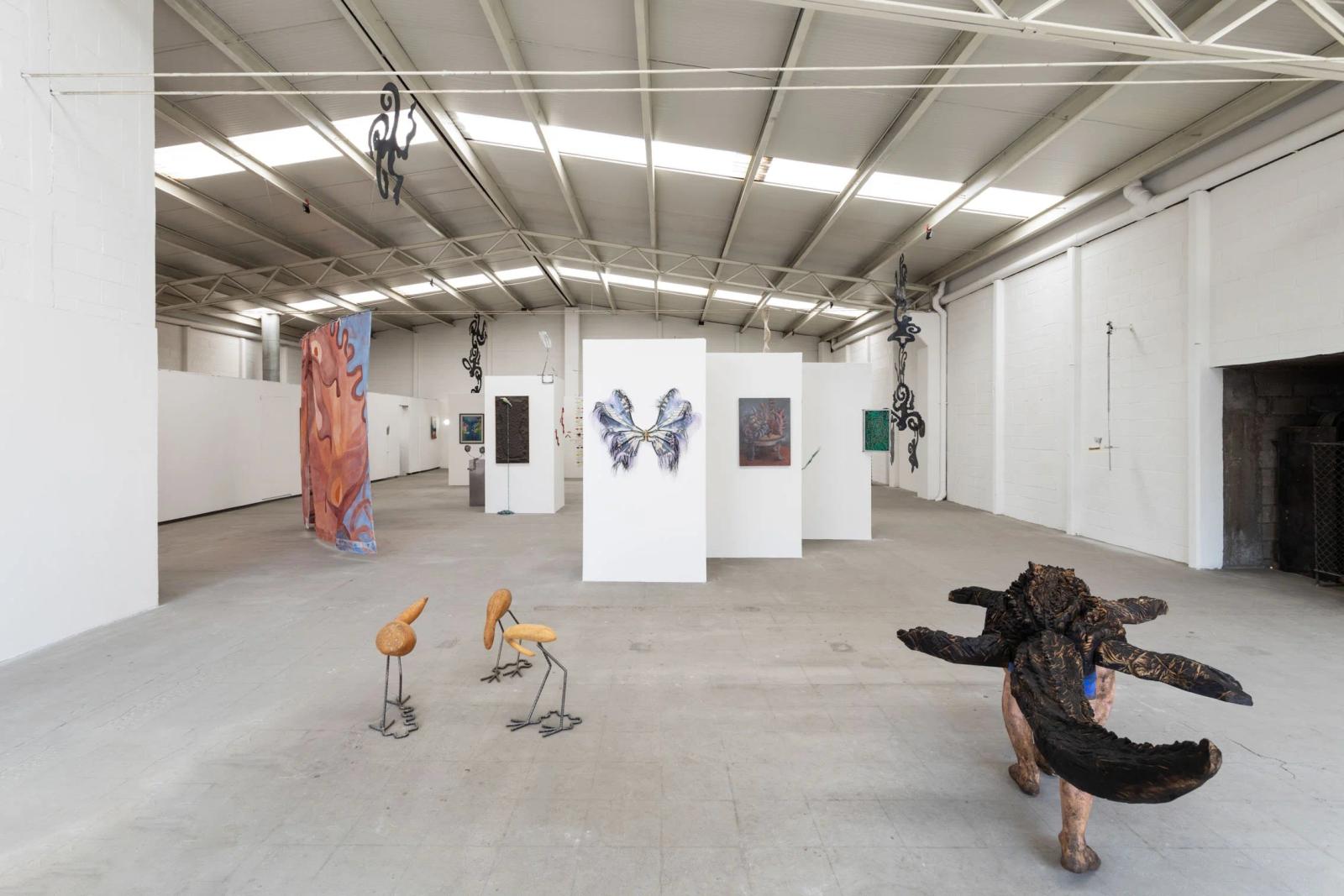
Installation view: Espacio Báltico, Mexico City, 2026. Courtesy of Guadalajara90210 and the artists. Photo by Rubén Garay.
The same peer logic plays out at Studio Block M74, a former industrial building turned into self-led studios for contemporary sculpture. Ahead of Art Week, they usually carve out time for a day-long open house. It’s one of the few invitations that leads back to process: regulars like Pablo Arellano, alongside short-term residents such as Janina Frye, will walk you through their work. This year, Sophie Jung also staged a performance on the terrace, an early glimpse of what she would later present with Copperfield at the Liste-leaning Material Art Fair.
Artist-curated shows
Authorship sometimes looks like pointing away from yourself. Take Sarah Crowner’s rigorously curated double show at Nordenhake and the off-site Casa Roja in Lomas de Chapultepec, a mid-century house haunted by a tragic red-stained past. In her two-part exhibition Zigzags and Curves, Crowner presented her newest paintings next to works by Lygia Clark, Graciela Iturbide, Frida Escobedo and Thembi Nala.
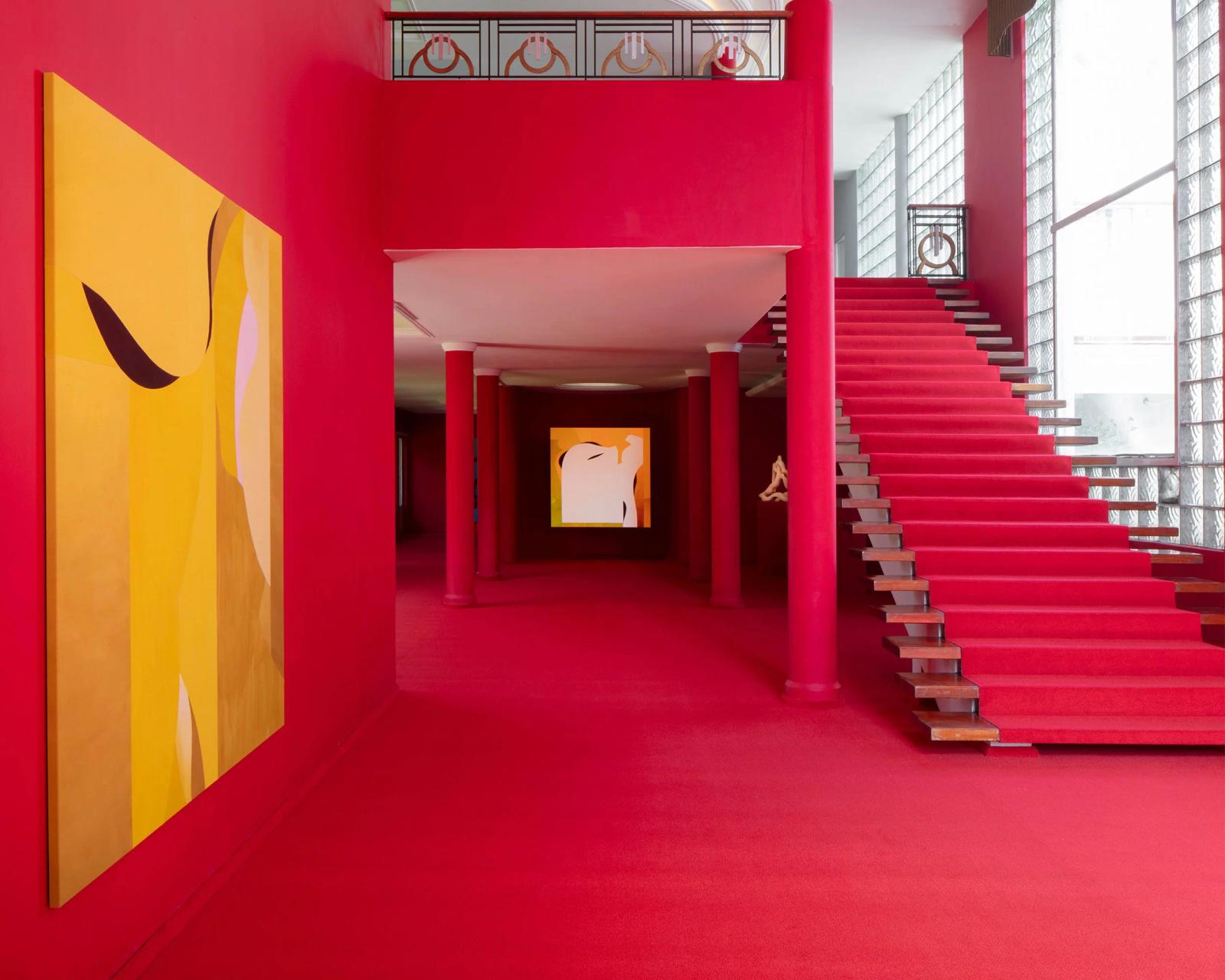
Installation view: Sarah Crowner, Mexico City, 2026. Courtesy of Nordenhake. Photo by Ramiro Chaves.
Another good example among commercial galleries was Paisaje, the historical landscape painting show at Galerie Pepe, curated by British artist Dexter Dalwood, who brought together masterworks by José Maria Velasco (1840-1912), Pedro Figari (1861-1938) and Francisco Toledo (1940-2019) with contemporary positions.
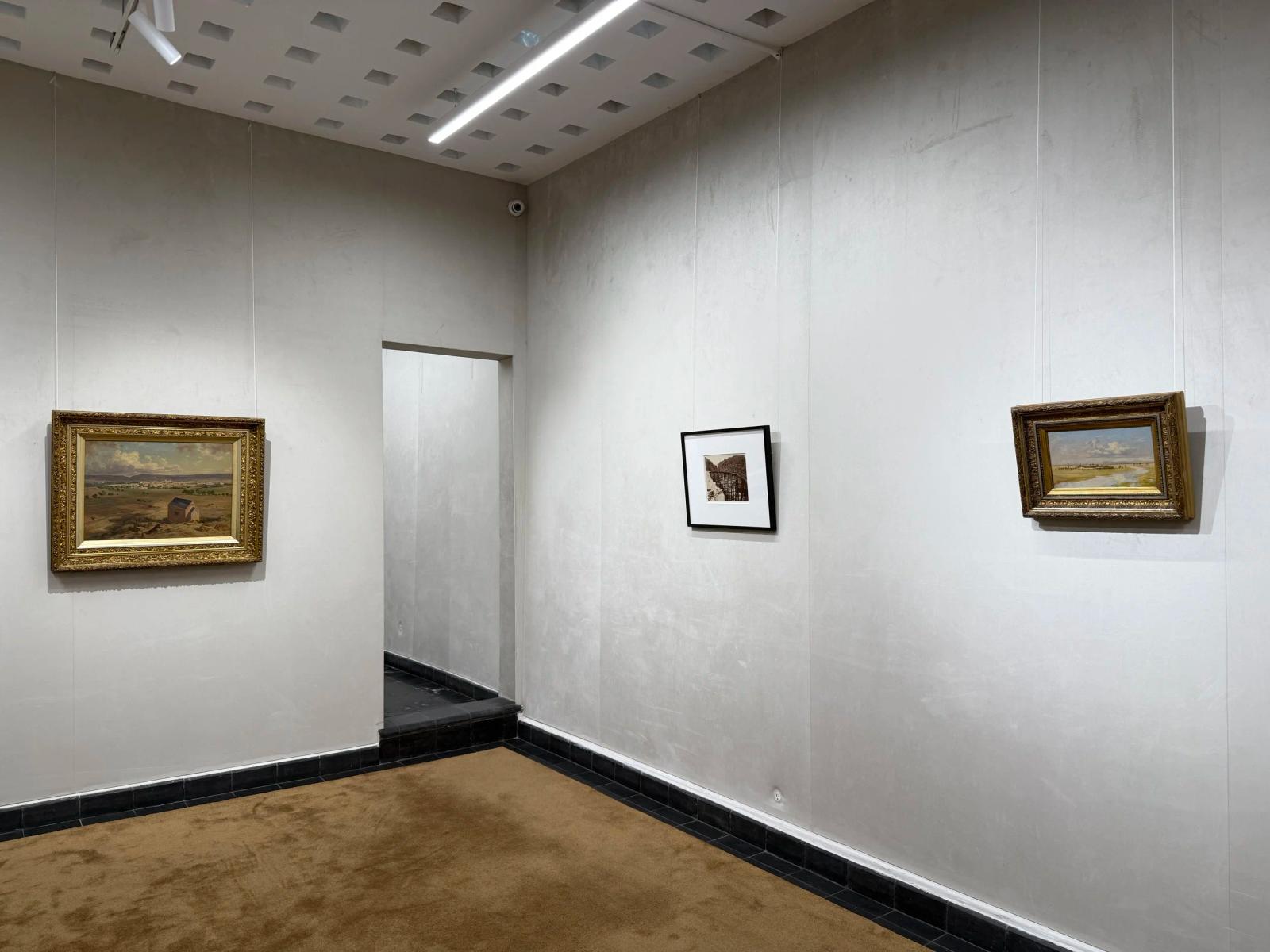
Installation view: Paisaje, Galerie Pepe, Mexico City, 2026. Courtesy of Galerie Pepe.
In all its greyness and austerity, the office-like space felt straight out of Berlin. One glance into the framed scenery and I was relieved: gracias a Dios, I was still in Latin America. The curatorial handoff wasn’t confined to local galleries. Dare I highlight, in that regard, Anonymous’s rose-petal-sprinkled stand at Material? The locally charged symbol of the red rose served as a guiding thread, featuring works by Dozie Kanu, Abbas Zahedi and Débora Delmar, to cite a few. Unanimously deemed ‘the best booth by far’, if you ask this Catalan.
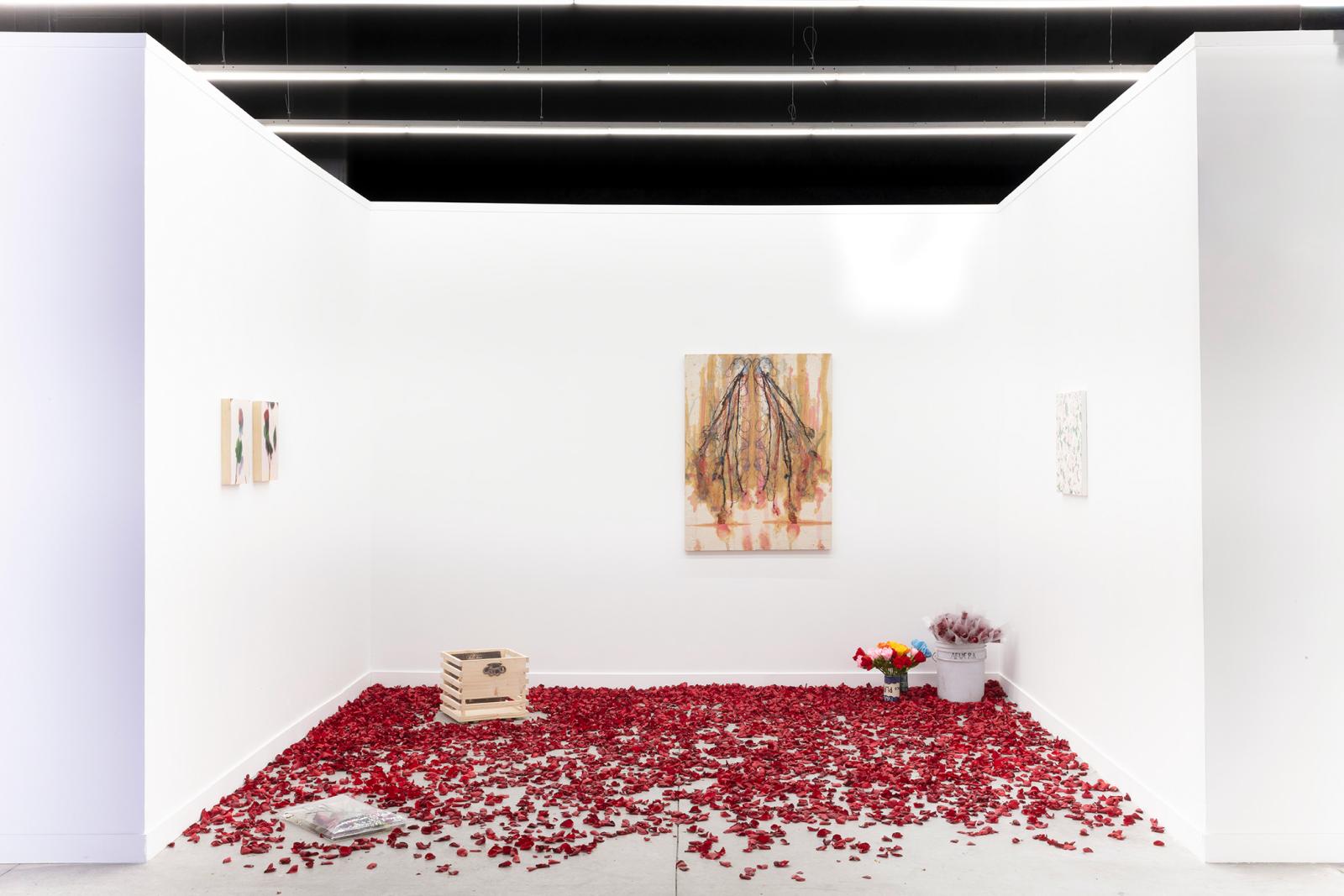
Installation view: Anonymous Gallery at Material, Mexico City, 2026. Courtesy of the gallery. Photo by Enrique Macías Martinez.
Collective practice
I felt the social fabric driving the hype almost constantly, if only in the crowds and the traffic. I appreciated it more meaningfully on at least two occasions.
“Captivating in its approach, the project merged play and improvisation with the public’s collaboration.”
One was Solaz, the participatory dance performance presented by choreographer Antonio Ruz and the non-for-profit Ruta del Castor, staged inside a glass tank at the very heart of Chapultepec. Captivating in its approach, the project merged play and improvisation with the public’s collaboration. Notice how most of the public was glued to the windows outside, that’s how full it was.
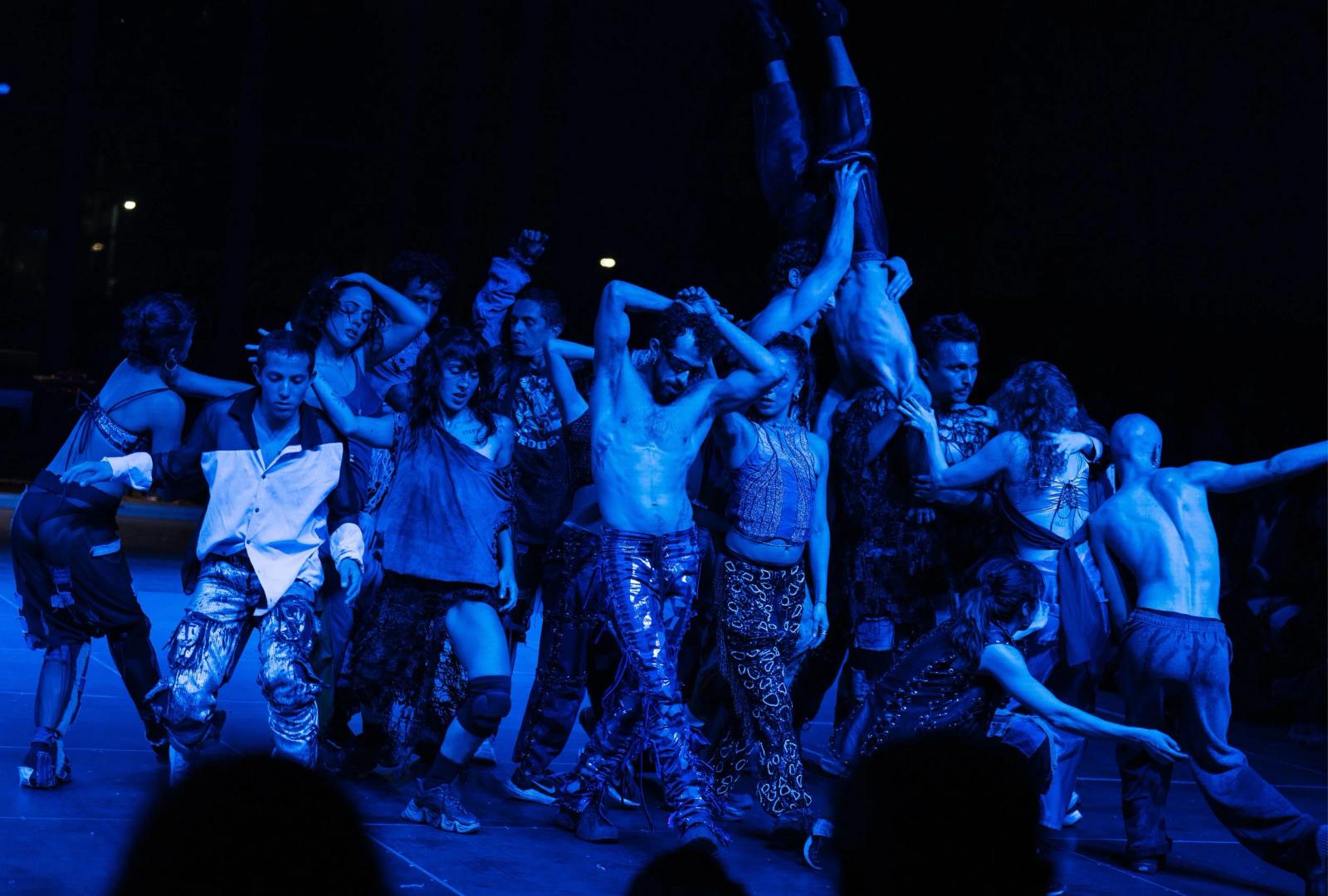
Antonio Ruz, Solaz, Mexico City, 2026. Courtesy of Ruta del Castor. Photo by Jacobo Ríos.
The other one was Oscar Murillo’s installation at Kurimanzutto’s show El Pozo de Agua. It staged mural fragments of Tamayo’s recent interactive iteration, a pair of plastic Bad Bunny chairs, and audiovisual material retelling a personal story of migration—now translated into 18 languages. He told me of swamps as dwelling places of life, material sedimentation, and how collective gestures can universalise spaces.
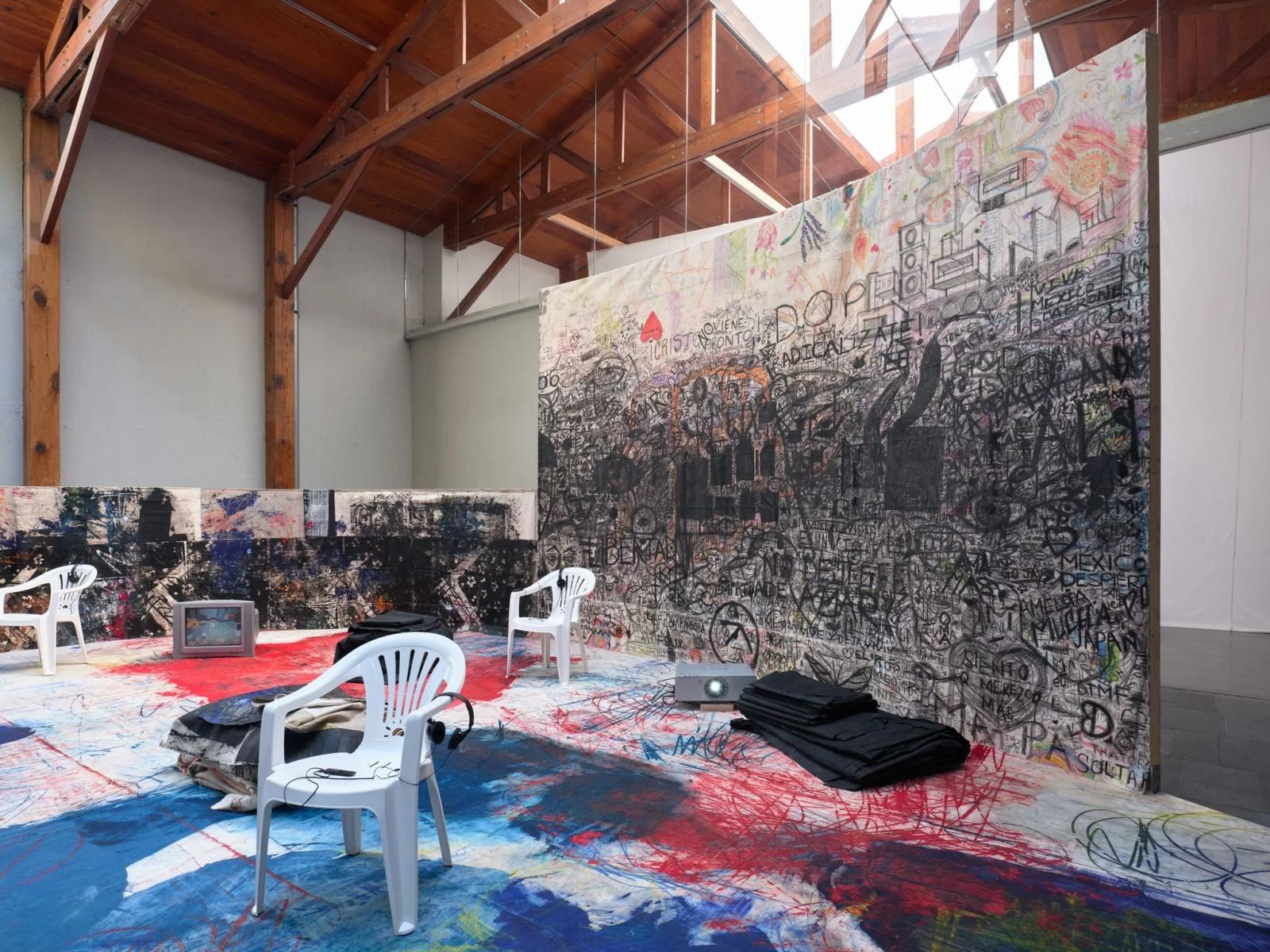
Installation view: Oscar Murillo, Kurimanzutto, Mexico City, 2026. Courtesy of the artist.
That’s after I almost missed it, on my way to Leonor Antunes’s ever-sophisticated constellation of works, a new tribute to overlooked twentieth century women artists and designers.
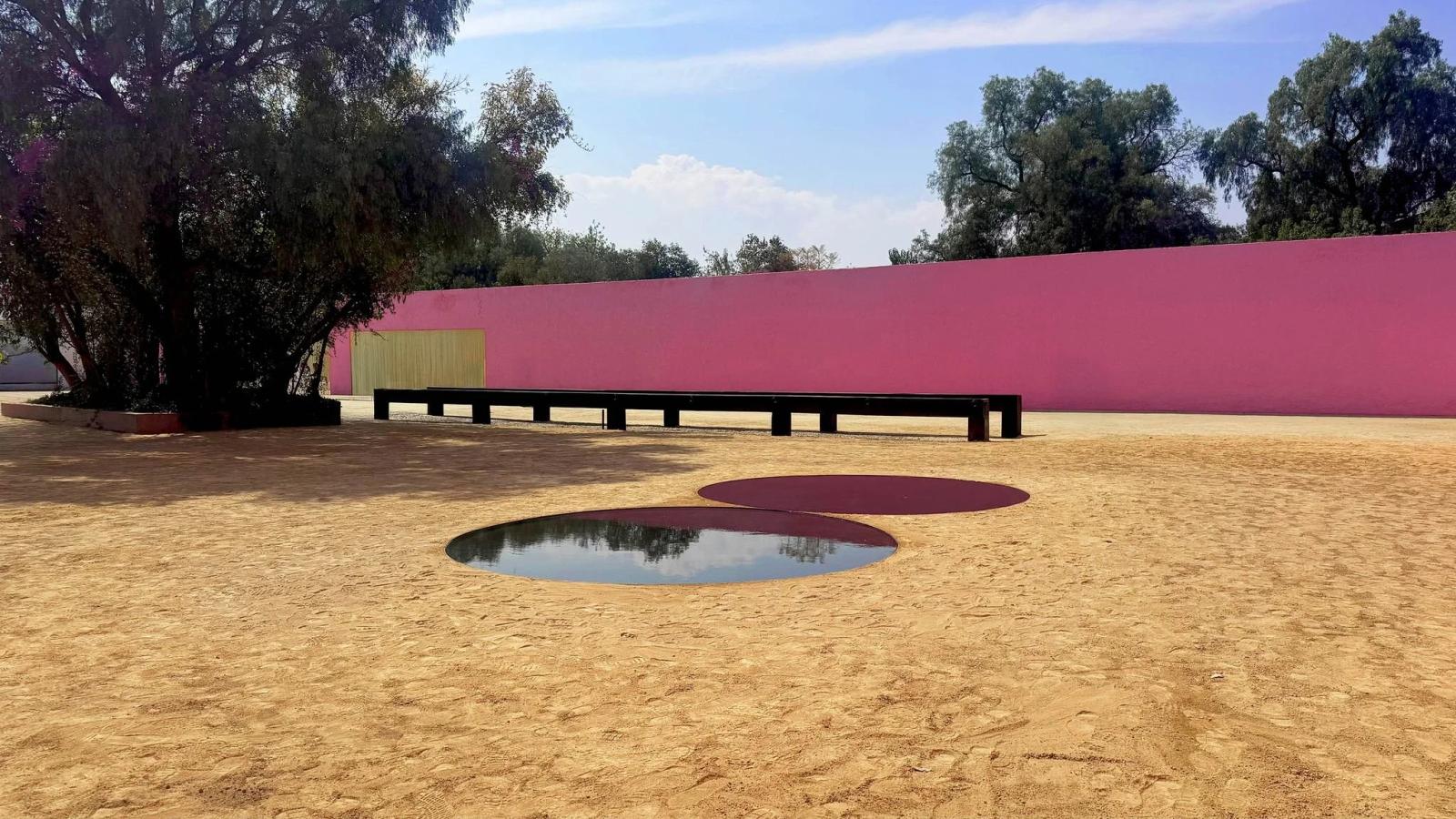
On a completely different note, it is often said that Mexican architecture too easily overtakes the exhibitions it hosts — to the point that the two can rarely coexist without suffocating each other. In the spirit of collectivity I’ll close with two rare exceptions, as reported by my network of unofficial correspondents: Félix González Torres’ presentation at Luis Barragán’s emblematic horse stables (which I’ll forever regret missing) and Diego Vega Solorza’s choreographic intervention Colosos at the Palacio Nacional de Bellas Artes.

Comments
Leave a comment