

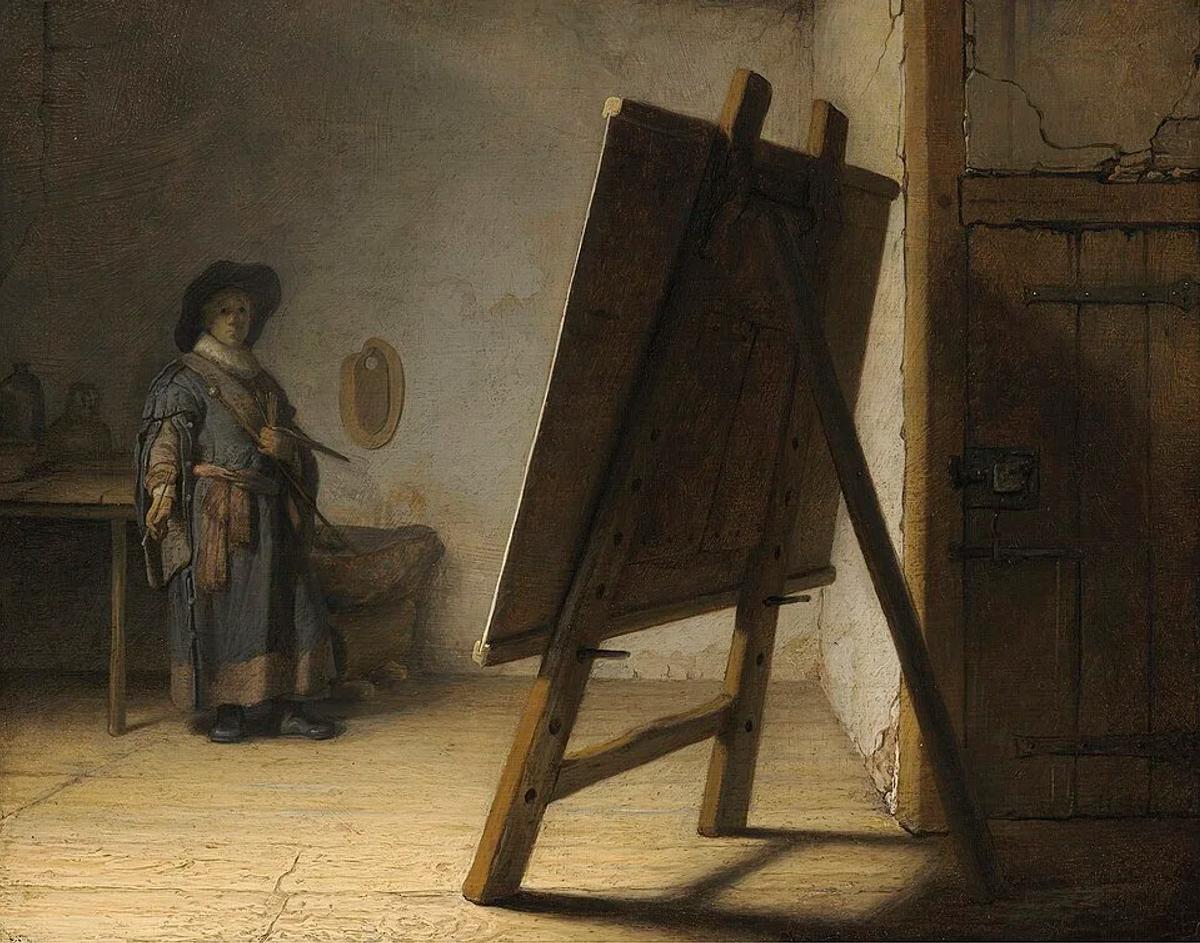
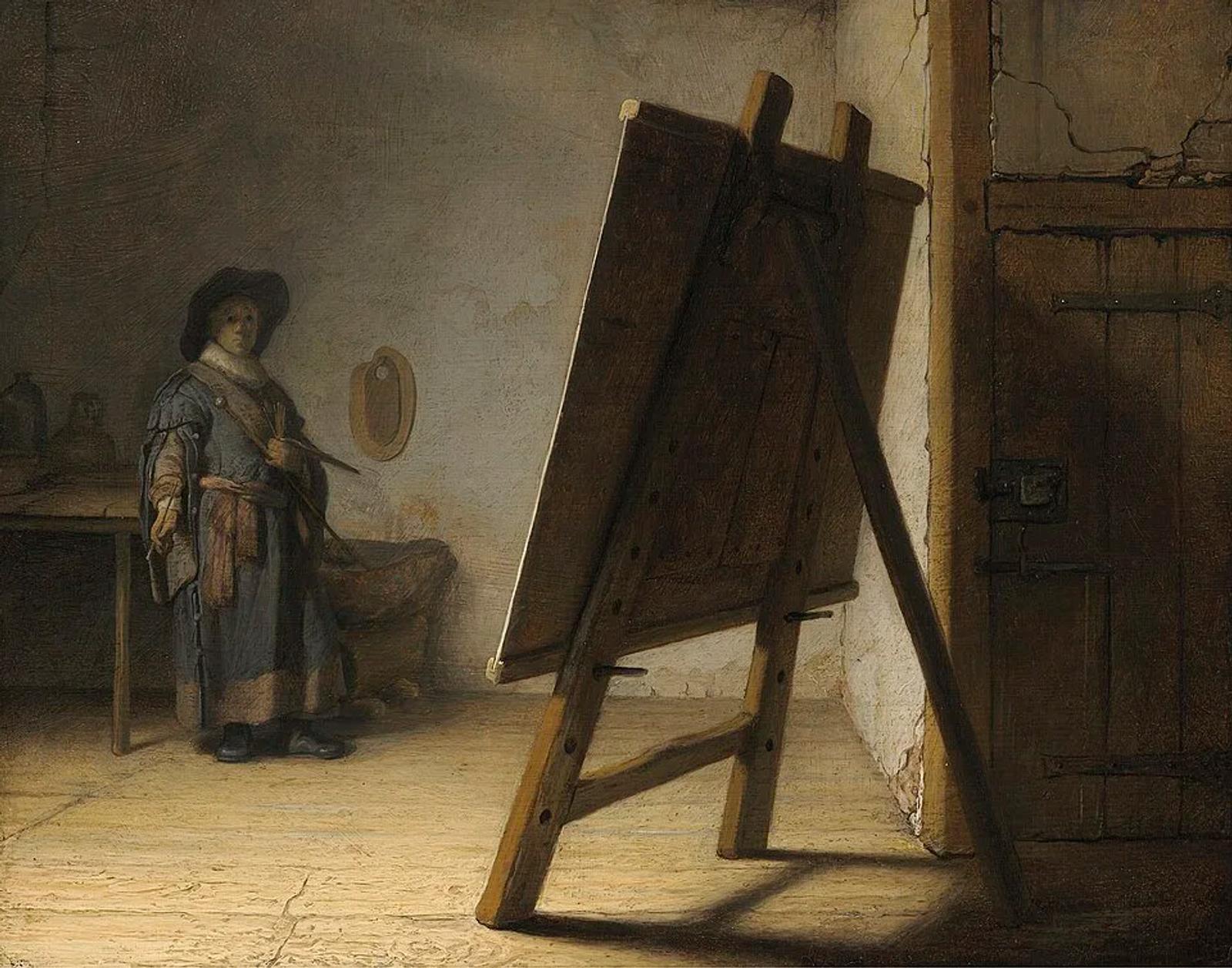
“Artists must be allowed to go through bad periods! They must be allowed to do bad work! They must be allowed dud experiments!” declared art critic David Sylvester in the 1969 documentary The Visual Scene. Sylvester’s sentences are delivered with a sermon-like cadence. That an esteemed critic — an ostensible arbiter of ‘good’ and ‘bad’ — would feel so strongly about a right to ‘bad work' raises a central question about the structures in place to not only withstand, but embrace it. Sylvester was speaking about the public pressures faced by post-war artists. Since then, the financialisation and globalisation of the art market has segmented representation beyond recognition.
“There is without doubt a kind of foundational insecurity that exists within our current system.”
Whilst there are many benefits to non-exclusive representation and direct studio sales, there is without doubt a kind of foundational insecurity that exists within our current system. Many commercially successful artists now circle an inferno of pandering to the tastes of galleries, without the support many once offered. They often tell me about impersonal working relationships, of curators not coming to the studio. One confides to me that they’ve “had a lot of galleries come and not say anything about the work at all. Just a transactional ‘yes, we’ll have that one!’
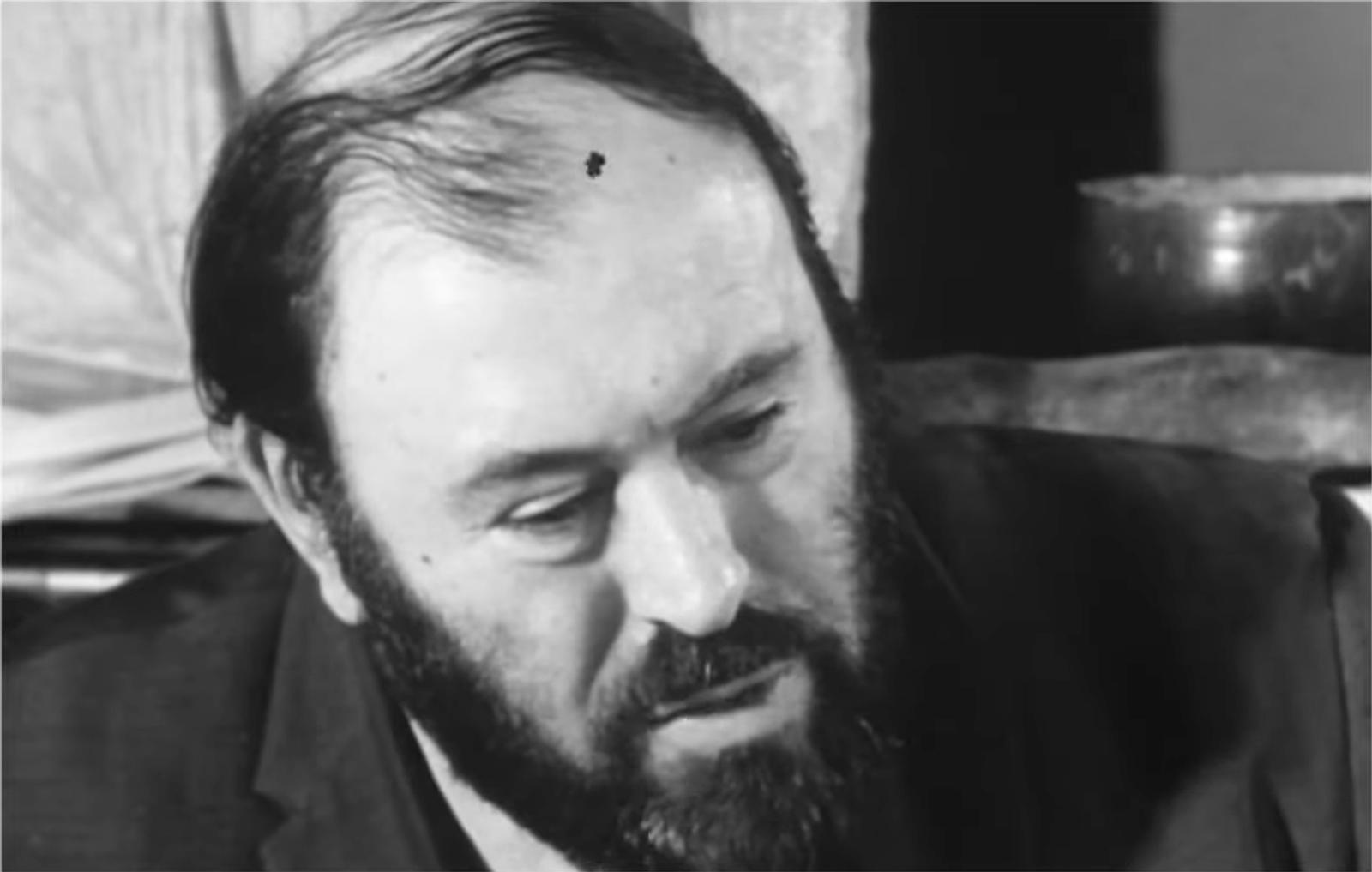
David Sylvester. Still from The Visual Scene, 1969.
I suspect that such threadbare connections are partially responsible for the very recent invention of ‘artist mentoring’ and ‘financial advisories for artists’. Why does this responsibility not sit with a gallery, a non-profit, or Arts Council England? An obvious rebuttal would be the supposed impartiality of coaches: that they offer advice independent of galleries and bodies.
“Market fluctuations not only create an aggressively competitive culture of grants and open calls, but a privatisation of support.”
Well, I’m not buying into it — ideologically or literally. Services like this to me indicate how market fluctuations not only create an aggressively competitive culture of grants and open calls, but a privatisation of support. If Sylvester defended ‘dud experiments’ in his time, under what conditions can they take place now, without being seen as a liability? “I think artists need to make work that they themselves may not have originally intended, but I don’t subscribe to the term bad work,” Jerome Ince-Mitchell, a Senior Lecturer in Painting at Camberwell College of Arts tells me. “Part of my role is to encourage the safety of the studio to play, experiment and indulge in creative curiosities.” Citing influences on his teaching practice such as Brian Sutton Smith’s The Ambiguity of Play and artworks like Francis Alys’s Children’s Games, Ince-Mitchell holds that curiosity is a “foundation of humanity”. Allowing unintended outcomes should not be a luxury. Ince-Mitchell’s best-known work, Action Black, was conceived in the last 5 months of his 2 year MA. “The work was so different from what I had been making that visitors to my studio thought that there were two different artists sharing my space”, he recalls.
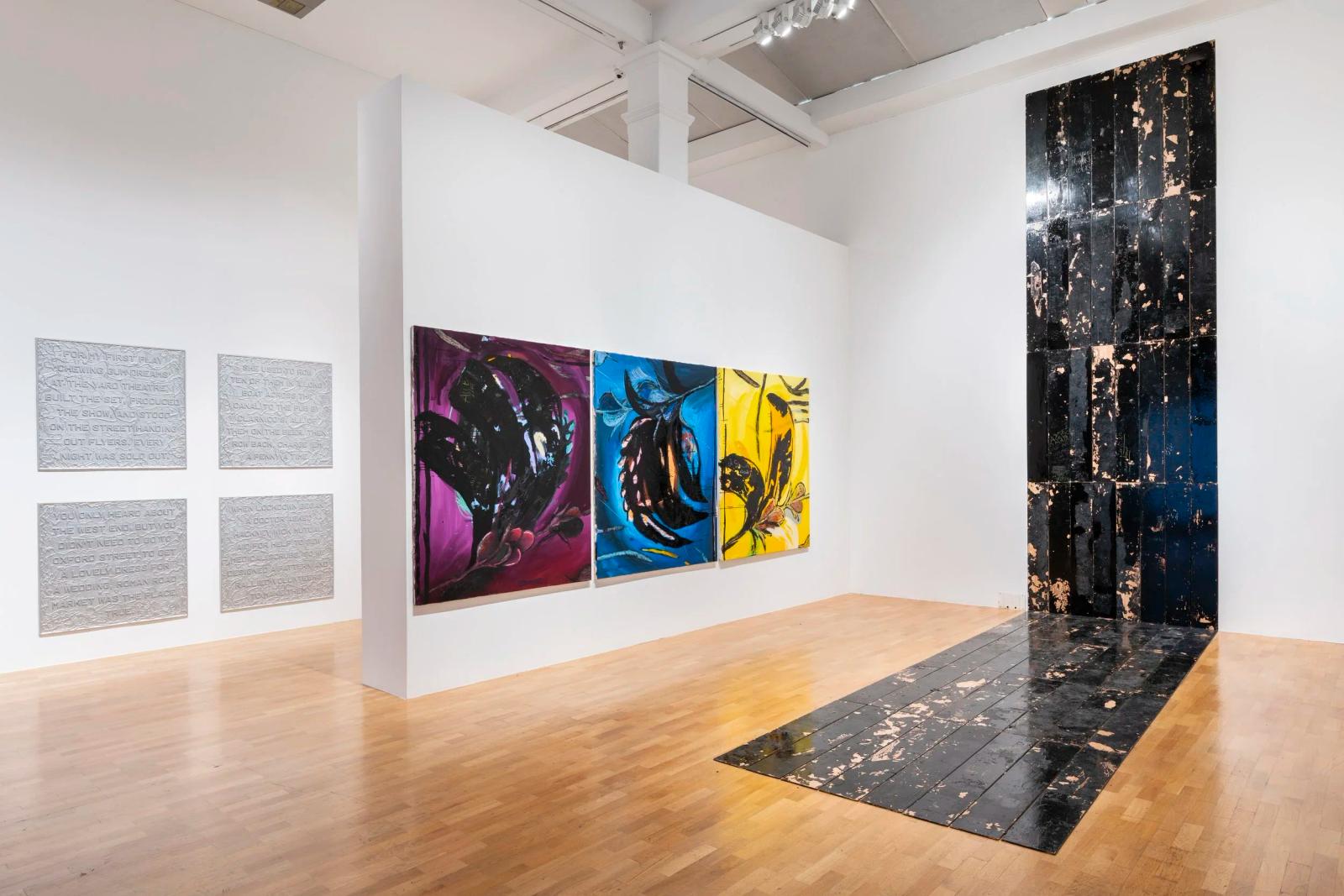
Installation View: Jerome Ince-Mitchell, Life Is More Important Than Art, 13 June – 3 September 2023, Whitechapel Gallery, London. Photo by Damian Griffiths.
Three years later, the work was shown at the Whitechapel Gallery in the director’s inaugural exhibition, a success Jerome underscores would not have happened if he did not feel comfortable to make possibly ‘“bad” work. In the end, he argues, the onus is on structural reform: “Our institutions need significantly more government focus and funding that will facilitate an environment that allows for play and unintended outcomes. The Artist’s Network (a-n) and Art’s Council’s DYCP are great independent bodies doing a lot of heavy lifting. Though the recent Hodge Review is a step in the right direction, more policy reform is needed.” Ince-Mitchell’s pivot in his final year worked out well. Yet, art history is littered with evidence, both anecdotal and archival, of good artists creating ‘bad’ work to a less favourable reception. In his 1962 essay Contemporary Art and the Plight of Its Public, Leo Steinberg describes the “disorientation, loss and sudden exile” that occurs when we are faced with unfamiliar work: symptoms that sound much more like symptoms of a degenerative disease rather than real reactions.
“For those with a vested interest, 'bad work' is tantamount to illness.”
Crucially, Steinberg argued it’s an art world public, that is truly more conservative, less tolerant to the new than the ‘amateur’. This feels intuitively true. Perhaps it's only indifference, but for most people, ‘bad work' is just forgettable. Bad work is ‘not for me’ or ‘I don’t get it’, it’s moving swiftly on to the next piece in a white-walled room. For those with a vested interest, ‘bad work’ is tantamount to illness. We speak of an artist’s ‘comeback’ as if they were battling cancer, with some critics having prayed for their recovery, and others having thought their condition incurable.
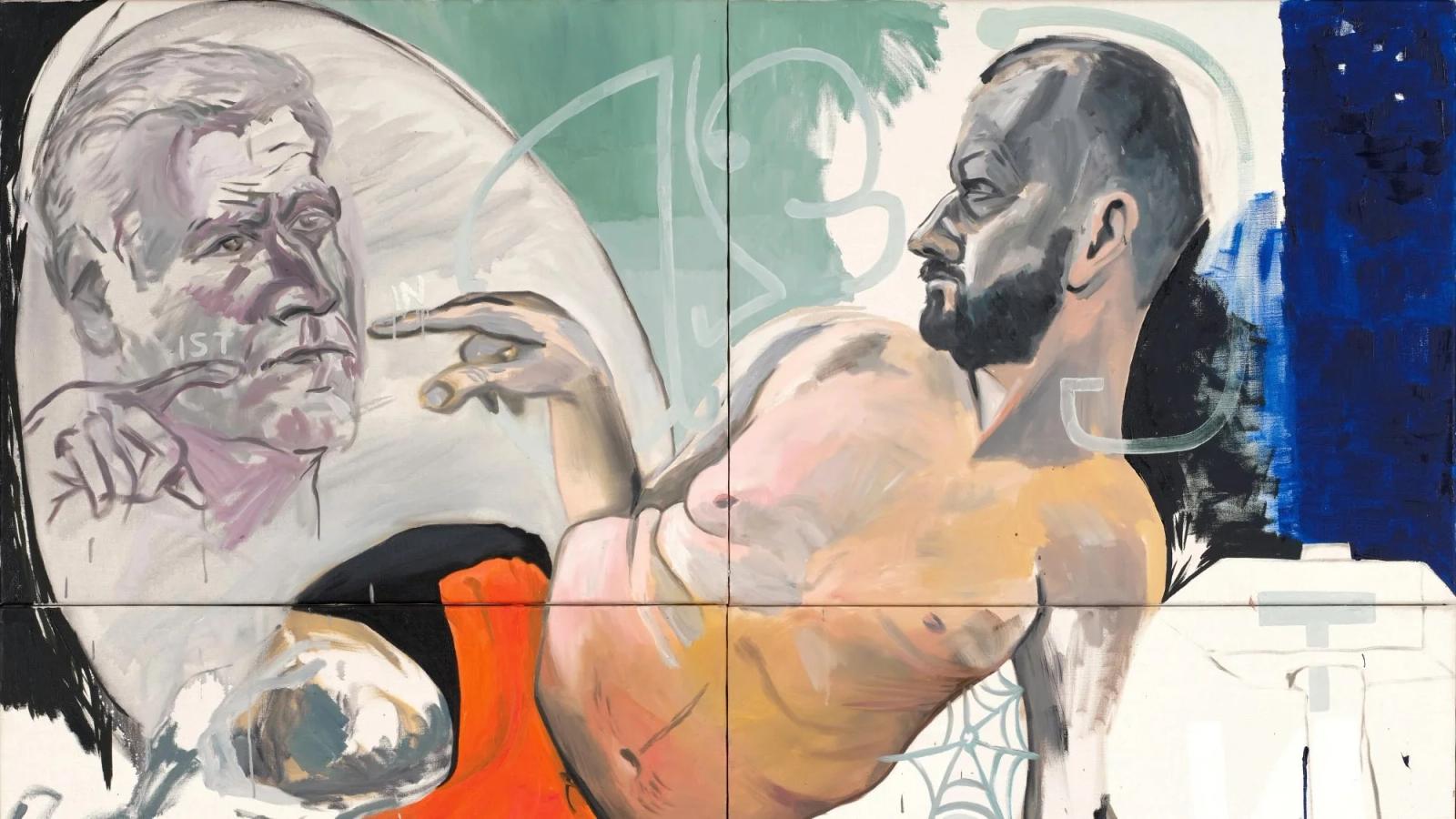
Martin Kippengerber, Untitled, 1992.
“Tastes change and what is considered bad work changes with it,” concedes Cai Arfon Bellis, a practicing artist whose practice is deeply rooted in music subcultures and shared spaces. “Phillip Guston is a glowing example of why an artist should be allowed to make ‘bad’ work. His now iconic Klan figure paintings, shown at his exhibition at Marlborough in New York in 1970, were at the time completely reviled. But without the fearlessness to make ‘bad’ work, sometimes throwing out the baby with the bathwater, up-ending his practice time and time again, we would not be left with his exciting and challenging legacy.” A somewhat inverted example is tied to an anecdote about Nicole Eisenman’s pornographic paintings of the 90s. “The way the story goes, is that during what had been a non-eventful studio visit, a crumpled sketch was discovered in the bin. Upon discovering the discarded drawing, the curator or friend proclaimed it the best thing in the entire studio.” The sketch was allegedly the progenitor of Eisenman’s later paintings, though she herself considered the work was just for fun, never to see the light of day.
“I think the ability to make bad work is what separates the artist from the grifter.”
Such instances highlight the role of gallerists, curators and companions in assuming their role as active participants, rather than passive bystanders to ‘bad’ work. This is distinct from whether or not judgements of taste (as with Guston’s bad reception) actually stand the test of time. So much of ‘bad’ work is merely underdeveloped, unresolved or unintegrated, problems that can only be amended within the ongoing continuum that is an artist’s practice. For Bellis, “there’s nothing sadder than watching an artist visibly going through the motions, whether it be churning out crudely painted book covers, or peddling technicolour-dotted NFTs. I think the ability to make bad work is what separates the artist from the grifter.”
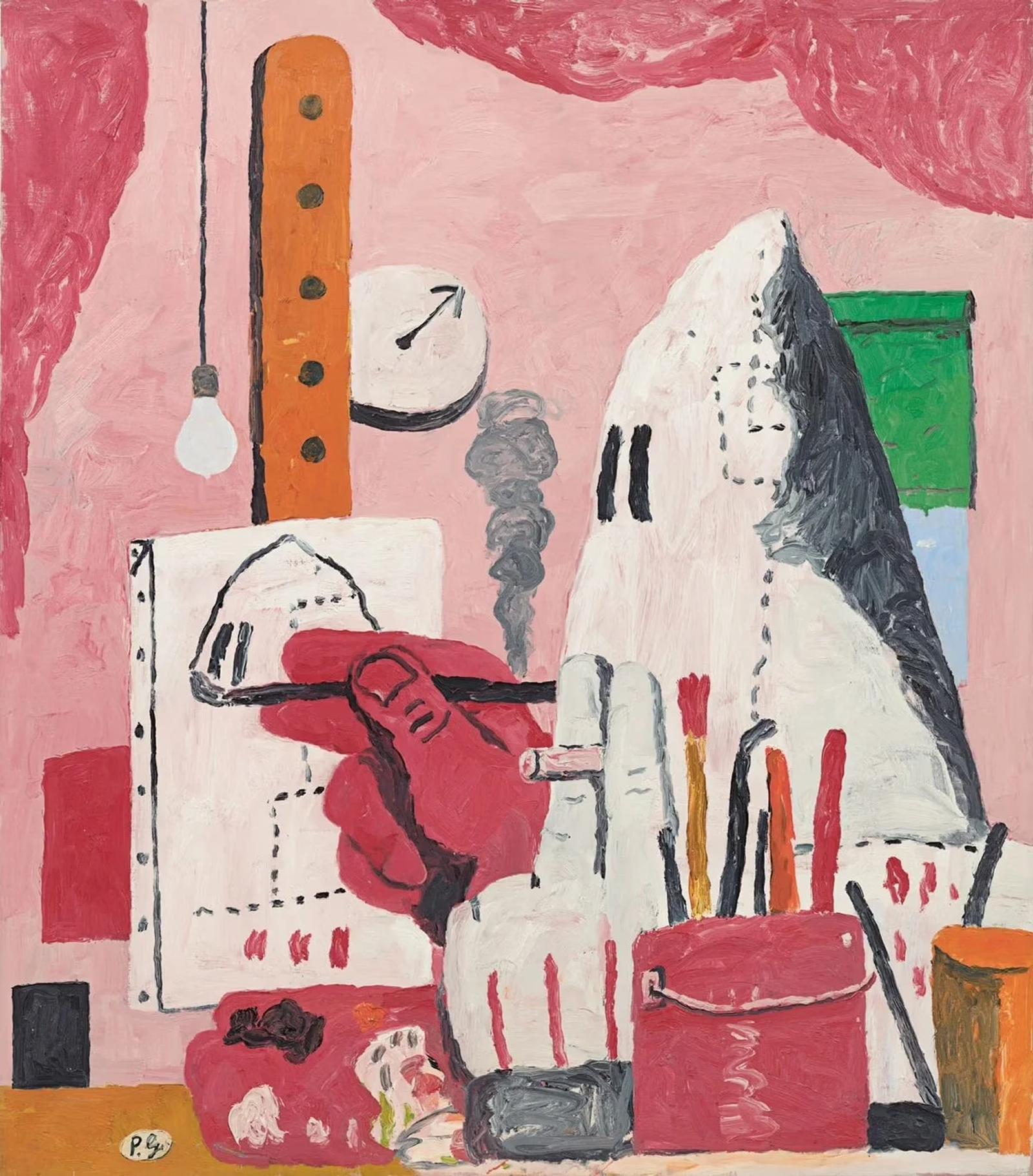
Philip Guston, The Studio, 1969.
Even the most astute critic can lack insight into an artist’s work, due to what a practice, as a form of artistic inquiry, can demand in real time. I think of Jack Whitten, whose trajectory was marked by seemingly endless and scientific inventions within the medium of painting. I see him at 31, with his developer tool (preceding Richter) and at 46, conceiving ‘tesserae’ from acrylic paint tiles.
“No one is interested in an artist at the end of a series and beginning a completely unknown beginning.”
His posthumous studio diaries, Notes From the Woodshed, document not just his technical processes, but the internalised struggle that accompanied them: “The only thing I have to salvage from the past fifteen years is the fact of the hard backing; the bringing of the floor up to the wall. This is meaningful. I want to start 1986 with a clean slate. Of course, this destroys any chance of getting a gallery, no one is interested in an artist at the end of a series and beginning a completely unknown beginning. I am black, 46 years old, angry, tired of teaching, tired of being poor... What am I to do?”
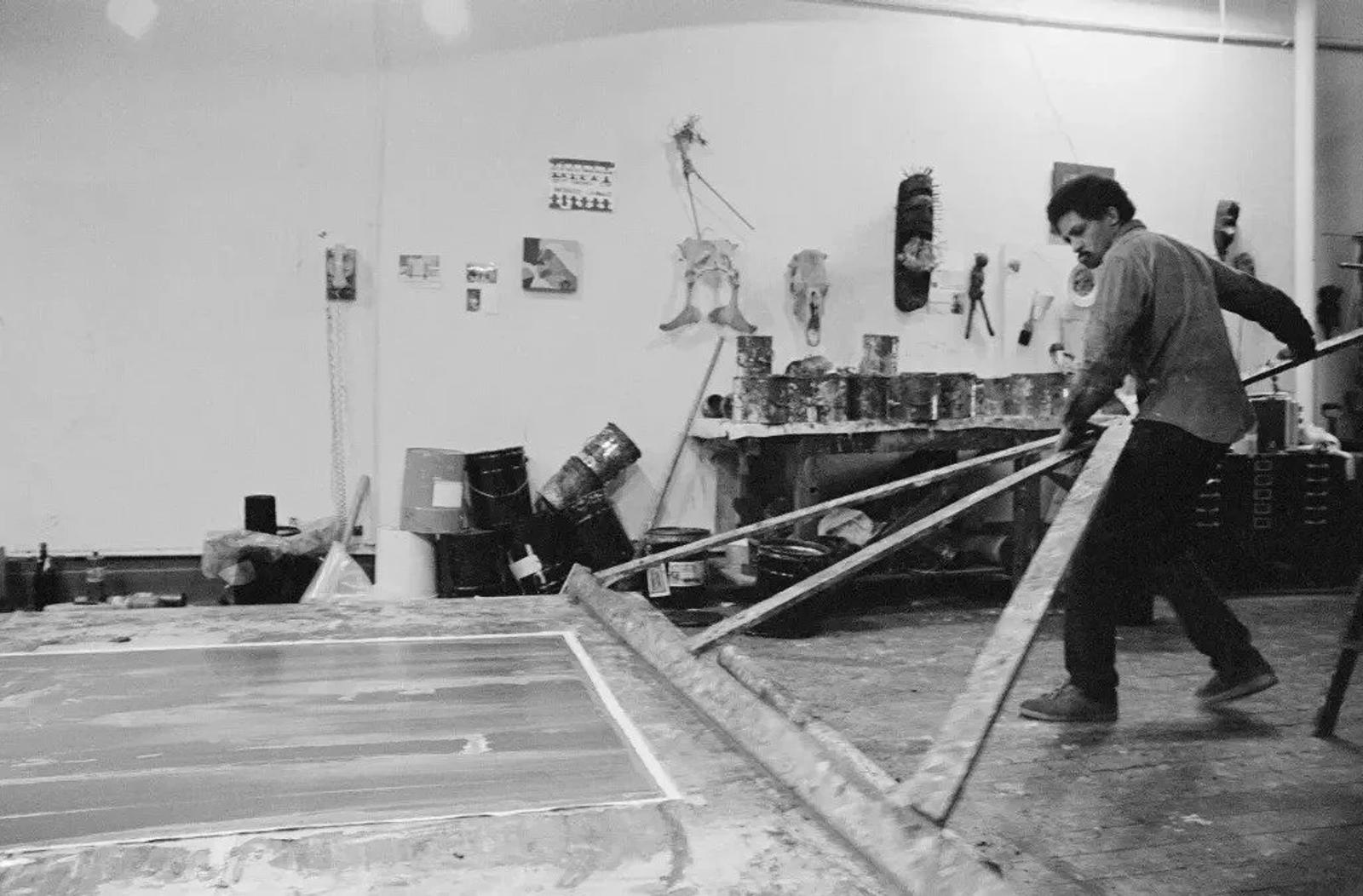
Jack Whitten, Developer Tools, 1970s. Courtesy of the Jack Whitten Estate and Hauser & Wirth.
Artists like Whitten encapsulate the sometimes opaque nature of artistic development. Whitten was acutely aware of the commercial perils of digression, and yet he was unrelenting that his very practice depended on it. It is a sentiment that one hopes institutions are capable of leaving artists with today. “Since my recent graduation last year,” says Charlotte Winifred Guerard, a recent graduate of the Royal Academy of Art Schools’ three year postgraduate programme, “one of the most important lessons I leave with is that this was in no way a means to an end. In fact, I want no end,” Noting the early stage of her career, despite a ten year practice preceding, Guerard says, “It is too soon to be confined to a certain way of working or a style. I want to keep thriving through experimentation, discovery, mistakes, testing things out and ideally doing so for as long as I make work.” It’s not that ‘bad work’ doesn’t really exist, or that it should not warrant formalistic criticism. Criticising ‘bad work' is a way to sharpen a reader’s tools and senses, itself a kind of artistic practice very worthy of defense. But the certainty with which bad work is treated—as a referendum on an artist’s trajectory—often feels less like a value judgement than a broader, deeply human discomfort with uncertainty.
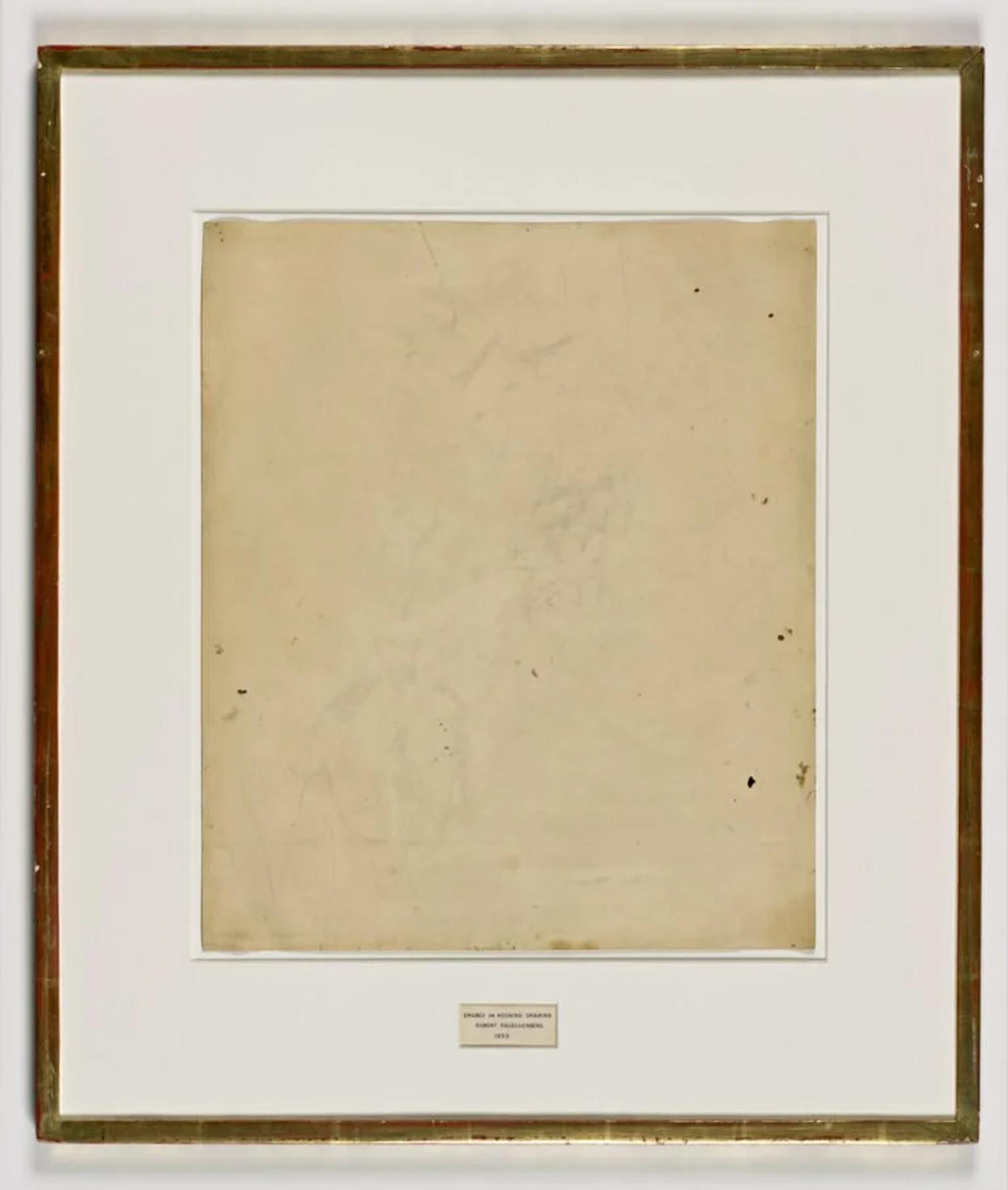
Robert Rauschenberg, Erased de Kooning Drawing, 1953

Comments
Leave a comment