diaries
Has Social Media Made Art Worse?
Arts Editor: Victoria Comstock-Kershaw
January 2026
12 min read
Is the internet the best cultural infrastructure we’ve ever built, or the reason everyone’s making the same work, saying the same things, and spiralling in public? brave speaks to artists across generations about what social media gives, what it takes, and what’s left.
Disclaimer:
The images and artworks illustrating this article were chosen because of how they capture the intersection of social media/internet culture and contemporary art, not because anybody on the brave team considers them or their artists to be ‘worse’.
“The Internet was a thousand times more important and foundational to me than art school ever was.” - Tom Furse
People always get irritated by formal novelty. Ultramarine in the middle ages, photography in the nineteenth century, and now, social media and the internet. I’ve set out to understand how artists deal with a medium that promises the world and delivers very little else.
“The internet felt, at least temporarily, like a space of mutual recognition rather than competition.” notes London-based artist Rhys Coren, quoting Ben Vickers’ 2013 Peer to Platform: Artist Collective vs. Social Network talk at the ICA about the rise and fall of galleries “jumping on and offering a handful of Golden Tickets to some, calling it 'post-internet', and essentially ruining it.” At his complaint lies the heart of post-internet irritation: art that simultaneously attempts to acknowledge and reject its own condition.
The internet sits close to this ecosystem as an extension rather than a break. Artist Antonia Caicedo Holguín calls it “a very powerful tool to make connections,” while artist Faith Michael notes that curators tend to find her “online or through referrals.” A Los Angeles-based curator tells me they “barely look at Artsy anymore,” relying on TikTok, Instagram, and Twitter to hunt down artists in the city that might fit whatever show is next on the horizon.
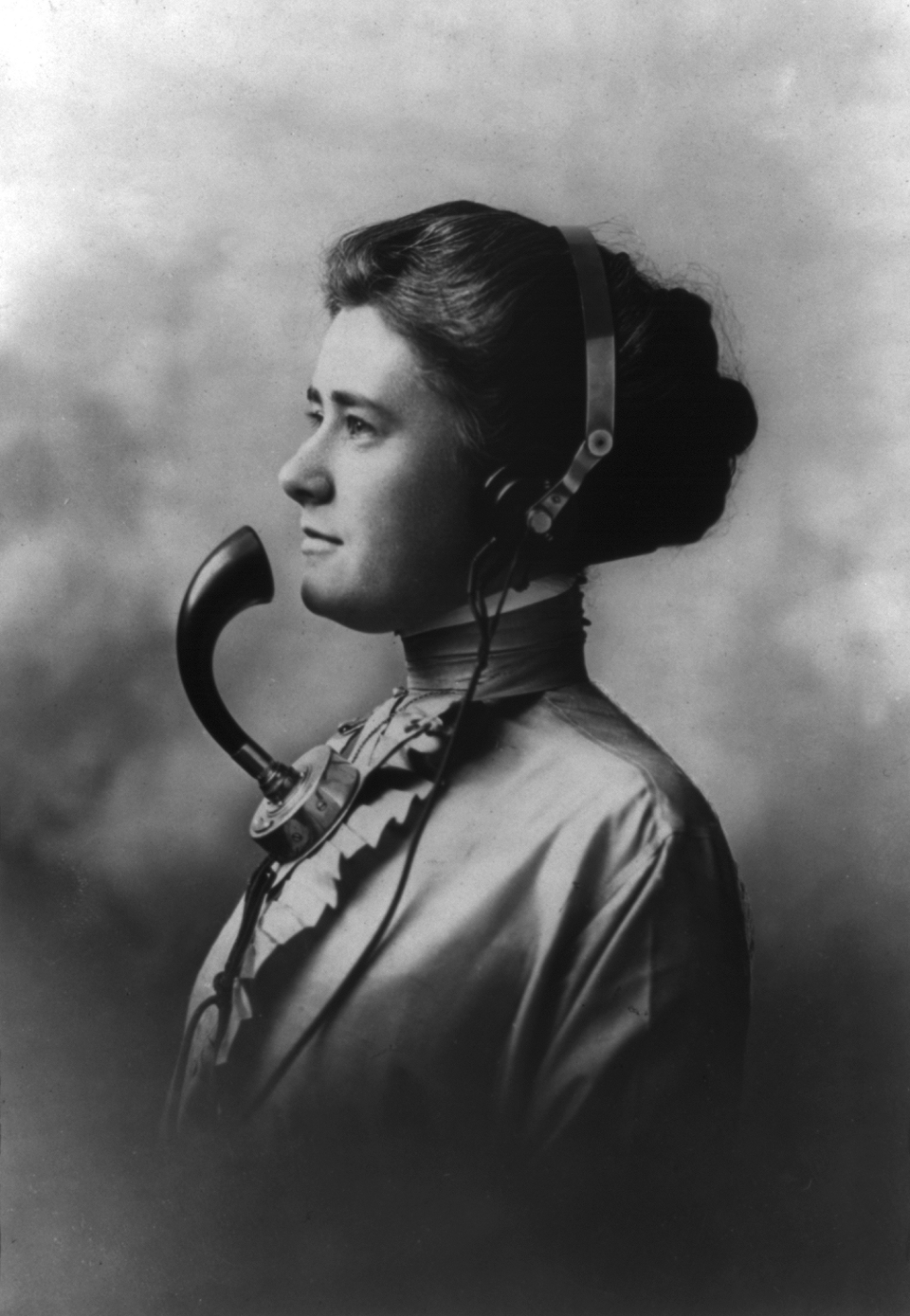
A telephone Operator, 1911. Photograph courtesy of Wikimedia Commons.
Subscribe to our newsletter for more opinion pieces
There is first and foremost a generational divide in the way artists approach the digital sphere. Ceramist Fiona Riley, who still uses a Nokia 3310 and continuously asks me what time my podcast will be running on the wireless, tells me she has absolutely no desire - and, perhaps more importantly - no need, for social media. “I have always sold my art in the real world,” she says firmly. “I’m not technophobic, I have used e-mail since the noughties. I just really don’t need anything else. A lot of the big artists work the same way, you know. [Major YBA artist] only uses [their] phone, here, write it down.”
Slightly baffled at having been handed over the landline of possibly one of the most famous British sculptors of the 90s, I call up said number and ask if they feel the same way about social media. They concur, although they present an unexpected anti-angle (and, on brand, refuse to be named): even before the advent of Instagram and Twitter, they had no interest in their works being photographed, arguing that their work “simply doesn’t work” on paper or screens. “I want people to see [my work] in the flesh, never any way else,” they explain. “Sculpture is made to be experienced not visualised. [This is] not something [your generation] understands.” I ask if they think video would fix the problem, and the reply is a firm, slightly offended no. “Even the films that [the blue-chip gallery that shows and sells his work] make the pieces feel predetermined. It’s in my contract that I never want to see photographs of my work, even if it’s in the papers or retrospective [books]. I spend a lot of time picking my galleries, my showrooms. I’m happy to talk about my work but the atmosphere, the lighting, all of these things, that cannot be communicated on a screen, on a photograph, in a book.” A younger, more digitally literate position comes from Columnist at Art Currently, Murph Phi, who treats social media as a kind of accompanying apparatus. “I don’t like to let my actual work interact with social media,” he tells me, but he does “enjoy constructing visual assets adjacent to deliverables for social engagement.” It’s not a refusal of the internet so much as a refusal of the internet’s demand that the work be constantly available as content.
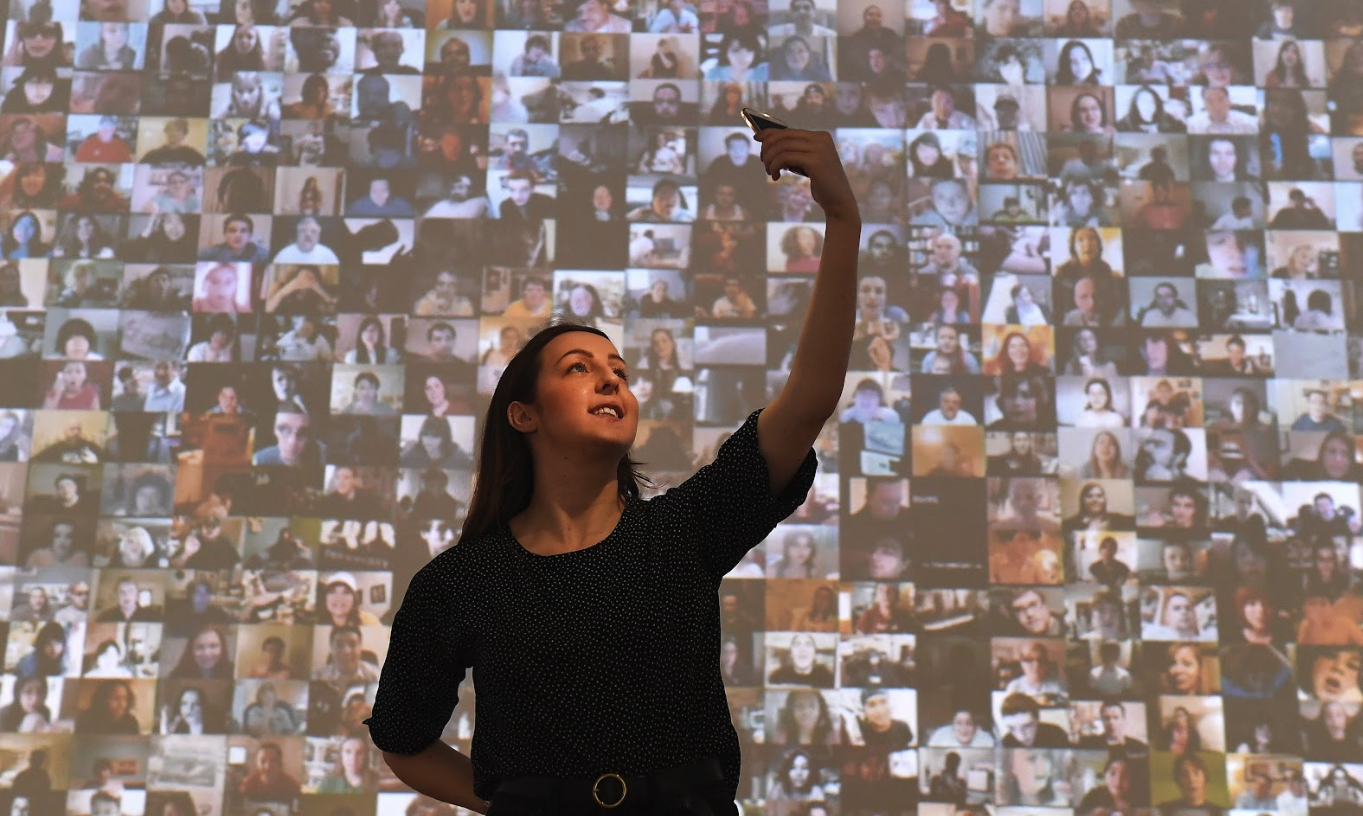
From Selfie to Self-Expression, Saatchi Gallery, 2018. Photograph courtesy of Andy Rain/EPA.
This isn’t, however, always feasible. “I tried quitting [social media], I really did.” laments one Berlin-based artist who managed to give up heroin in 2015 but, as of 2026, not Instagram. “I felt good mentally but I was missing out on so much. (...) It doesn’t work in a big city like [Berlin or London].” Multiple artists tell me stories of logging onto various social media platforms after taking breaks and, despite having their emails readily findable, seeing month-old messages inviting them to participate in shows that had since come and gone. Artist Sam Dybeck concurs that even from the perspective of somebody wanting to get off Instagram, he understands it “as an important tool to see and share art” that he “also can't justify deleting (...) because of the friends and connections I’ve made by using it… It’s a really complicated part of an artist communicating their own biographical information or outsourcing self mythology.”
While the some have both practical and phenomenological reasons to avoid social media, others express reservations based in more traditional terms: scepticism toward self-promotion, distrust of spectacle, and a general post-internet belief that there is more cultural value to IRL forms of encounter - ones that, as essayist and anti-tech guru August Lamm puts it, exist both because and despite of the “distractions, manipulations, and judgements" of the digital realm. As artist Tom Furse puts it, “I am constantly reminded of the importance of real world experience and connection, that 20,000 people liking a post doesn’t really feel as good as 20 people enjoying a thing in a room together.”
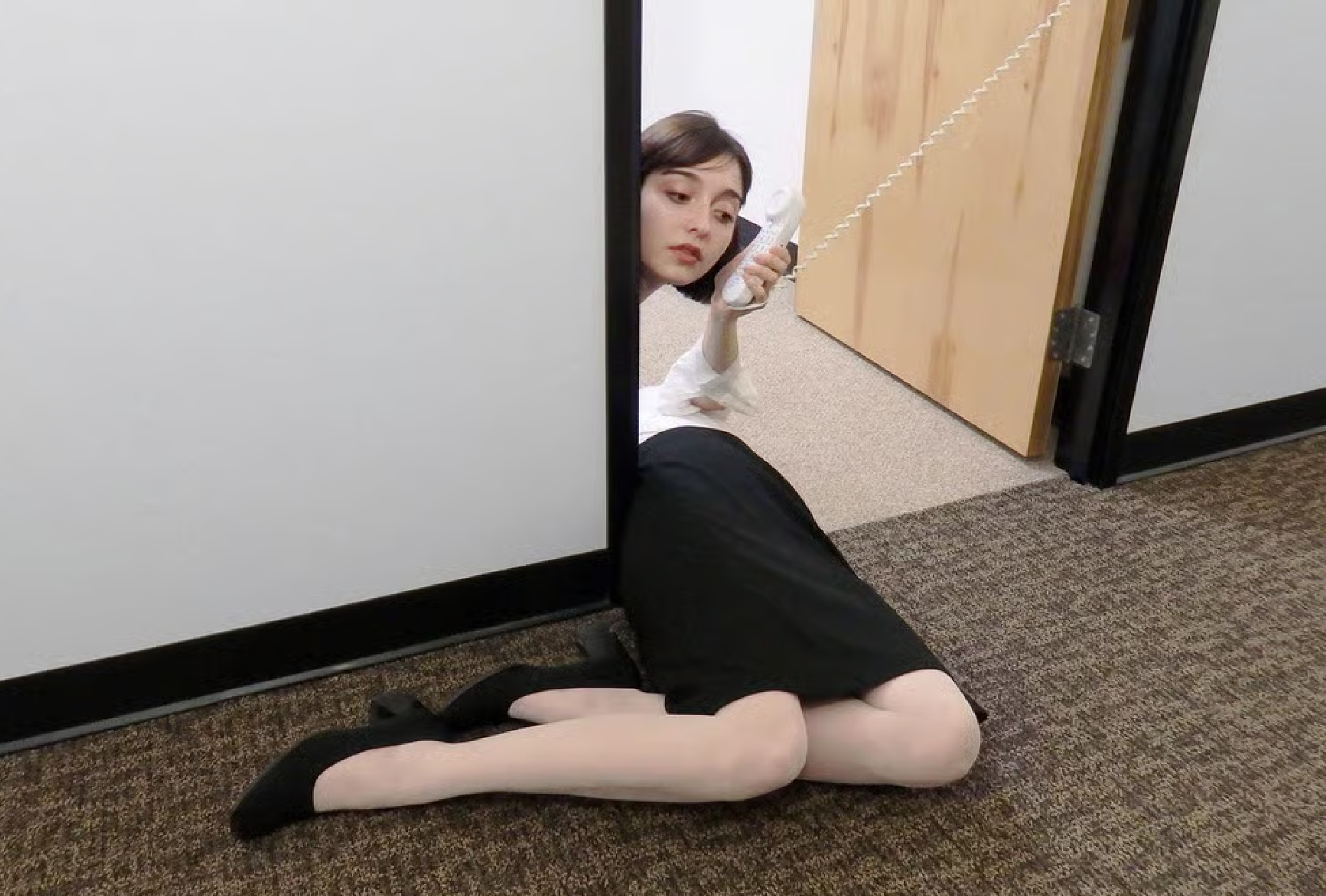
Amalia Ulman, Excellences & Perfections, 2014 (Instagram performance / digital image)
This desire for screenless experiences is not solely driven by purism. “I hate the internet and technology and social media!” says Tom Willis of the London-based Soho Reading Series, a live reading series emulating the very undigital heyday of the 80s literary scene, including regular evenings at phone-free nightclub lost. “[Social media is] only good for posting flyers.” he notes. “Without it, people would see flyers some other way. So, on net, it’s useless. I get a bad feeling when I post to Instagram. Like I’ve ruined a thing by posting it, seeking approval.” A Vienna-based artist agrees, calling social media “a mirror for [their] own insecurities”: “I need absolute privacy to produce and over the years I have experimented with the way I present myself but I find my attempts cringe and haven't found the right persona yet.” they explain. “I also struggle with my own impossible expectations: I want everyone to LOVE me and LOVE my work and when I start thinking about those I admire but likely don't impress with my work, I start spiraling.”
Similarly, writer, director, and editor of experimental poetry newsletter The Burning Palace Jack Ludkey explains that, although recently many of the contributors to the program were introduced via the internet, there is a certain element of cyclicality to web-based artistic communities. “Now I think poems I read from New York ‘poets’ are more about niche cultural references,” he explains, “that were ironic until it became lame to be ironic so now these references are ‘sincere’.” A third editor concedes that submissions to their own UK-based literary magazine, which has been running since the early naughties, have suffered stylistically in the post-internet age: “Everybody writes the same now!” they mourn. “Everybody wrote the same in the 90s but it was because they were trying to be [Martin] Amis or [Christopher] Hitchens or whatever. Then in the 2000s we were doing fun things. Now they’re all doing this long-winded, esoteric, stream-of-consciousness crap about sex and dating apps, I don’t care to find out who they’re trying to emulate. Maybe it’s [Sam] Kriss. Who knows who to blame. It’s somebody on the internet.”
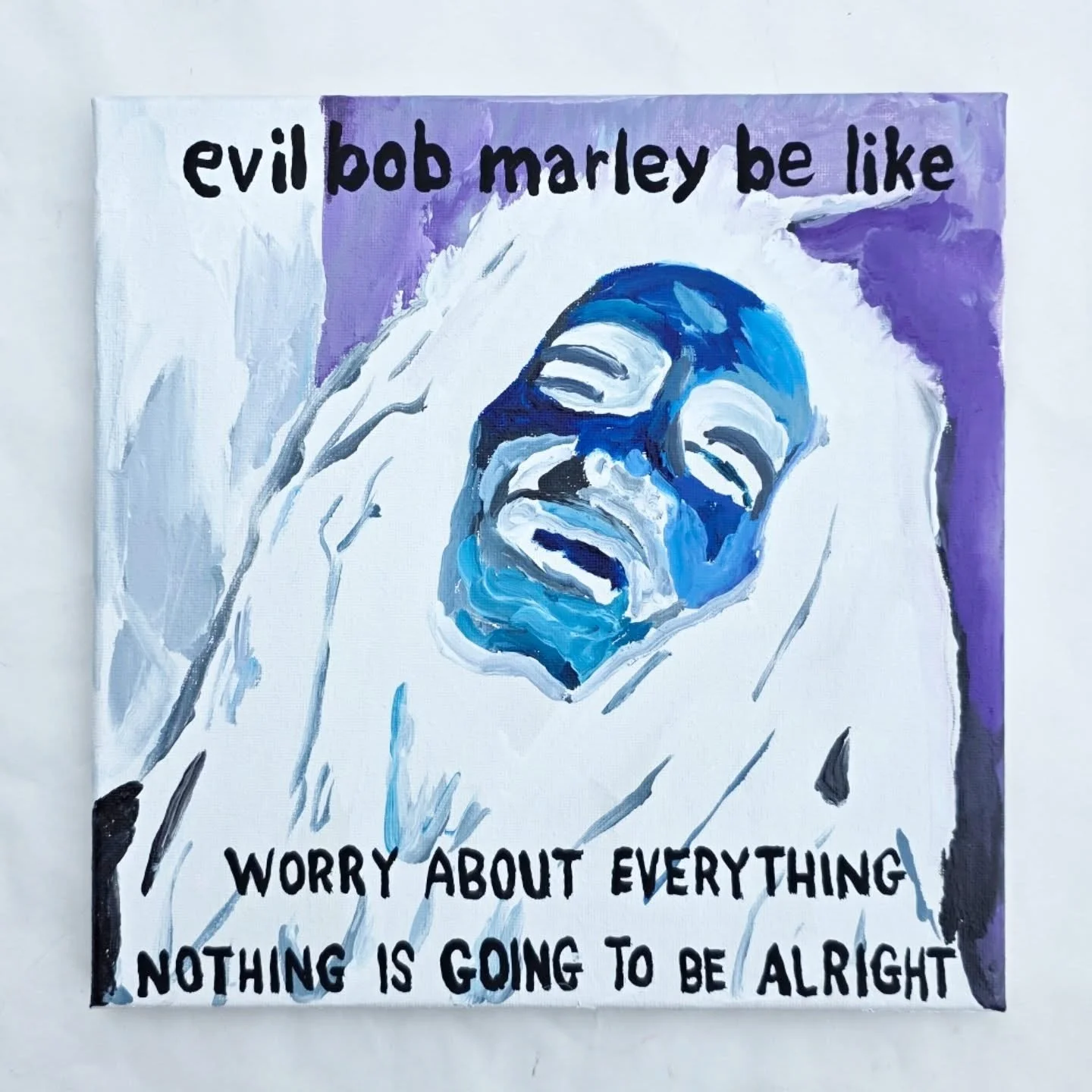
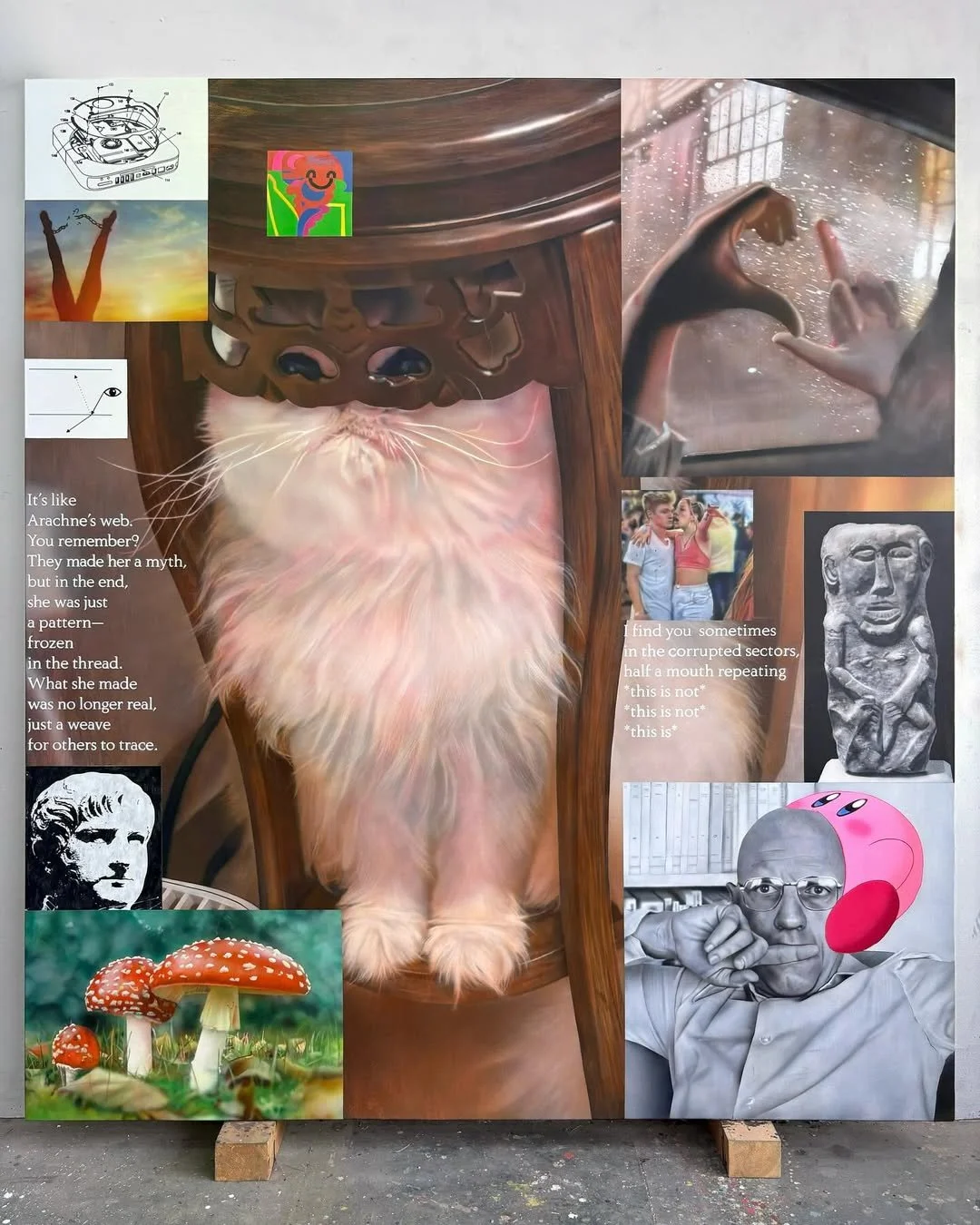
John Rogers, Evil Bob Marley be like, 2025
There is a similar risk of stylistic flattening in visual arts (last year’s pushback against the rise and fall of spray-painted and/or meme-based artworks comes to mind). “Social media has privileged the painting, in a similar way that the algorithm favors figures/photos containing faces.” remarks artist Sam Dybeck. This is not necessarily social media’s fault in and of itself, but moreso a result of enshittification, a term coined by Cory Doctorow that describes ‘the gradual deterioration of a service or product brought about by a reduction in the quality of service provided, especially of an online platform, and as a consequence of profit-seeking’.
“Social media might be one of the biggest disappointments of our lives, especially as artists.” Mourns photographer Neil Kramer. “Its creation is as powerful as Gutenberg’s printing press, but we are too jaded to notice (...) At this stage of capitalism, the algorithm is tuned to advertising and anger. It rewards outrage and turns everything into a competition for attention.” Artist Marina Roca Díe concedes: “My views are quite pessimistic.” she admits. “If you don't put input anymore, the content gets old and sometimes useless. So this is a battle we will have in the next few years. I don't see how suddenly people will go back to feed the internet only for the sake of collective knowledge.”
Subscribe to our newsletter for more opinion pieces
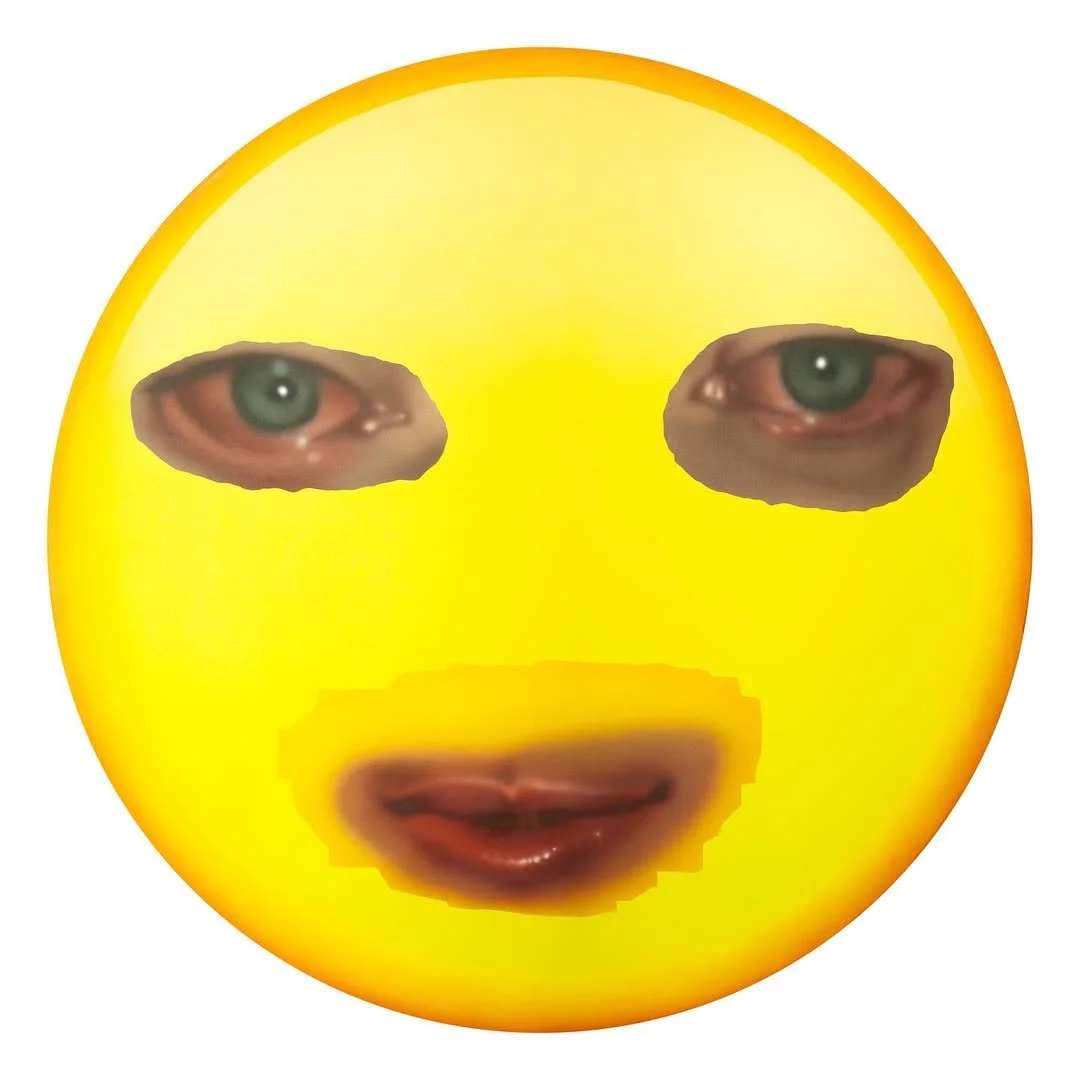
Mauro C Martinez, Maurizio Cursed Emoji 3, 2023.
Art cannot be separated from capitalism, no matter how much we would like it to - as Elliot Earls says in his video essay Anti Capitalist Posturing and Stupidity In Art, “I do not know one artist who does not want the ability to sustain themselves from their work... This does not mean that late-stage capitalism is not predatory, [only] that it is possible to make art and design ethically.” However, a desire and/or capability for laissez-faire innovation, formally or otherwise, does not ensure it: it’s worth remembering that a hundred years ago the average person saw maybe a few thousand images over the course of a lifetime; today it is estimated that the average Westerner sees four to ten thousand images a day - 100 GB of sensory-equivalent data. Perhaps, therefore, it is natural to see an exhaustingly memetic shift in aesthetics, although it’s just as likely that people in the eighteenth century were getting similarly annoyed with Joshua Reynolds and the Grand Manner (lest we forgot William Blake’s campaign against the man, writing even a hundred years later that “It is Evident that [he] Wishd none but Fools to be in the Arts”, a sentiment I think many of have felt at some point or other while scrolling Instagram).
Another downside to social media is what I call the LinkedIn-ification of the arts: the overwhelmingly saccharine and cloutchasing aesthetic of influencer proximity. A gallery owner I spoke to last year confirmed that the choice of one of their show’s curators was largely down to the fact the curator in question had a large online following (we are reminded of Sotheby’s Contemporary Curated section, which saw the likes of Robert Pattinson, Swizz Beatz, Steve Aoki, Oprah Winfrey, and Ellie Goulding curate selections of the auction house’s collection). Critic Brad Tromel has spoken extensively about the concept of cloutbombing, or the idea that the more active social media users involved in the creation (and therefore promotion) of a project, the more people are likely to see it, and the more profit it is likely to make, a tactic many artists are not blind to. For example, two separate artists complained of the likes of podcaster Russell Tovey being given curator opportunities despite having little apparent experience in the realm beyond the chums he made chatting on his podcast’s mic – alright, maybe I’m not one to talk…
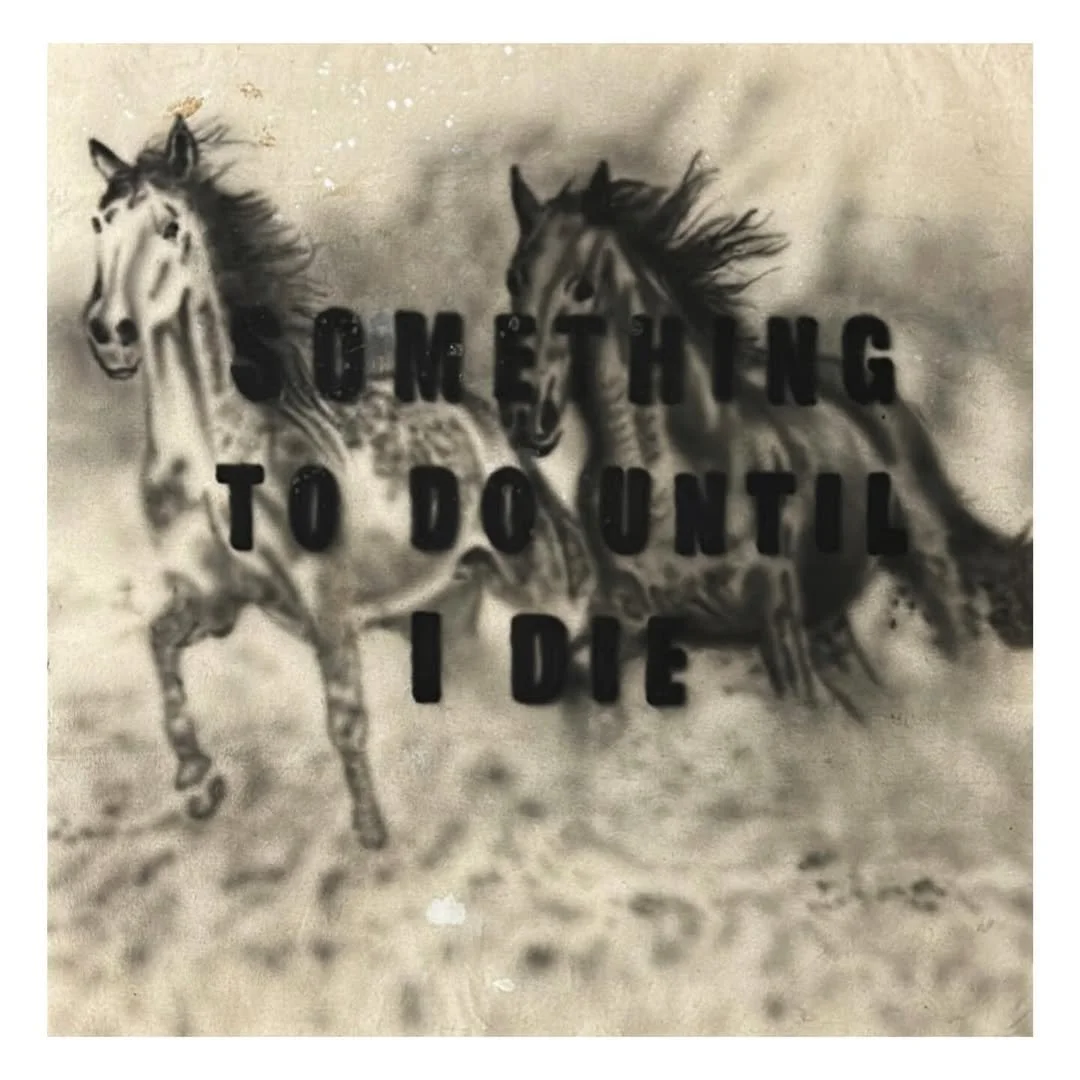
Travis Edmund Spinks, Terminal Velocity, 2025.
Social media also adds a new labour load to the profession of being an artist. Another older artist tells me they simply don’t “get” social media (one practical difficulty being the lack of a mobile phone for two-factor authentification) and while they concede that they may very well be losing out on sales and connections, they don’t have the money to pay for a social media professional, which can range in the tens of thousands of pounds a year even for smaller artists (the predatory practices of many ‘art advisors’ have been well documented). Artist Peter M Boothroyd calls it “a love-hate journey” and hopes “the right people find your work when the universe is ready.” However, the additional workload pushed onto artists can be exhausting; New York-based puppeteer Maggie McGrath argues that the push to move everything online is “beginning to isolate individuals from sharing in their practice or sharing their work in general.” It is not enough to make art: one must - in the spirit of the invisible hand - adapt to new marketplaces in order to sell it, too.
This atmosphere naturally also leads to a narrower idea of ‘professionalism’, specifically one linked (as most of the internet is wont to) to presenting advertiser opinion-friendly opinions. London-based artist Rhys Coren recalls Stuart Shave’s Instagram comments being bombarded during Brexit and hearing that some signatories to a widely circulated 2023 ceasefire open letter later asked to have their names removed amid professional pressure. “Artists (or galleries) who express dissenting or critical views online have often been punished through loss of opportunities, withdrawal of support, or informal blacklisting.” he reminds me. Social media may be framed as a space for free expression, but according to Coren it also “intensifies surveillance” and makes “political speech both hyper-visible and professionally risky.” As Sean Tatol notes on his latest Substack, it’s rare for art to cause a revolution, but it can at the very least avoid the most base mistake of citationalism: treating the current chain of cultural authority as God. It is always worth being wary of any system that diminishes an audience's (or, indeed, a creator’s) ability to create, as he puts it, “an empathy towards a character or a sense of the world in historical fiction that articulates an experience of life that is beyond what we have experienced first-hand in the present.”
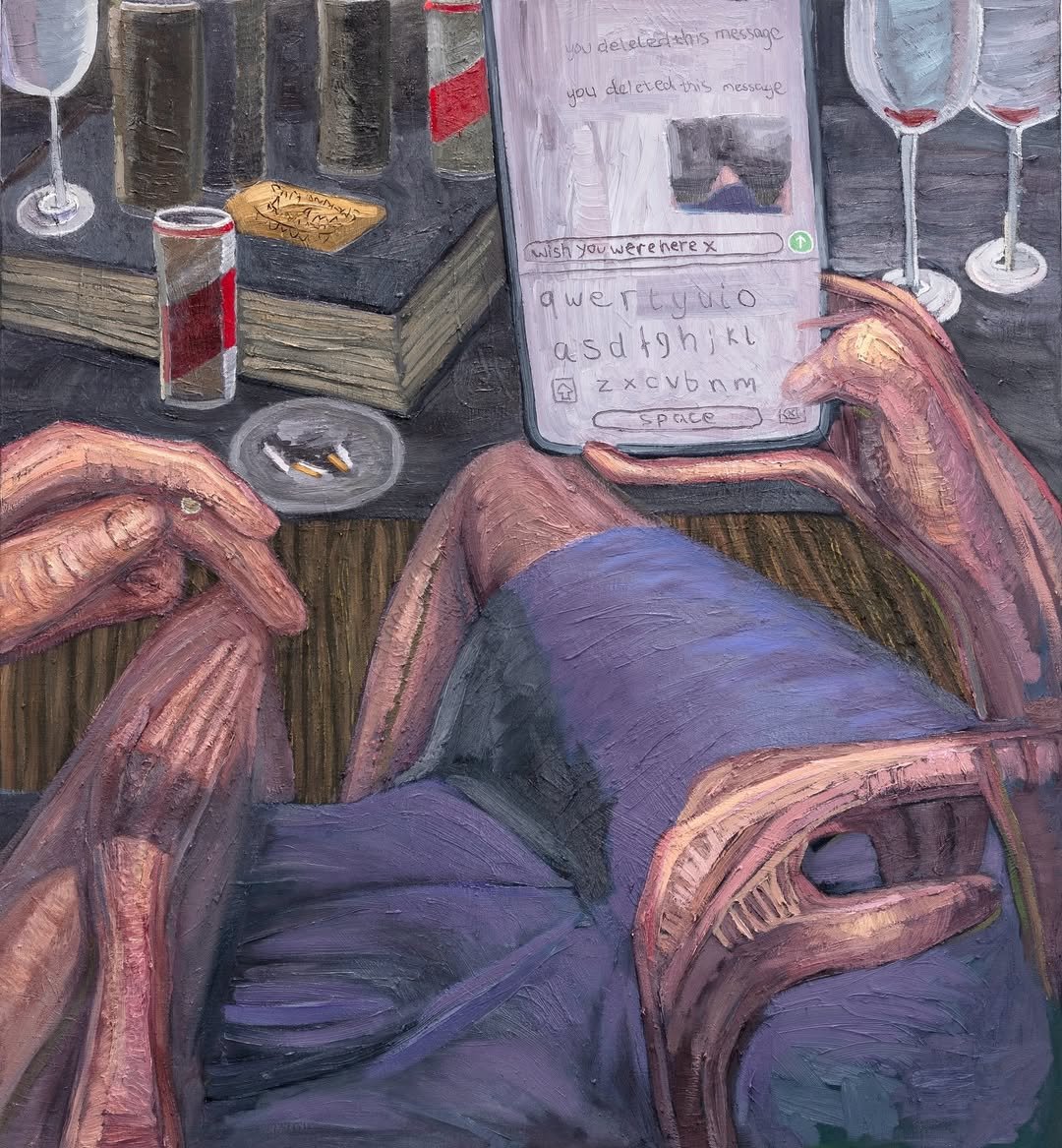
Alexandra Zarins, Wish You Were Here (detail), 2024.
I bear my own grudges against the intersection of contemporary art and social media for a litany of reasons. On one end of the spectrum, there is the wide-eyed coverage of art fairs and ‘analysis’ (or lack thereof) of artworks that further propagates the idea that contemporary art is nothing more than point-and-laugh gibberish (The Art Revival - who likes to stand gawking in front of contemporary artworks like she’s never seen anything more challenging than a Beuys before - comes immediately to mind, but she is one of many). At the other end are the reactionary meltdowns (money laundering! my four-year-old could make this!) often aimed at young female postgrads (Justin Bua’s greatest hits, etc.). Then, further along the easterly end of the political rope you get the conservative clickbait factories using contemporary art as proof of Western decline; think those RETVRN TO TRADITION accounts comparing a random first-year CSM performance to neoclassical sculpture, because clearly the only thing separating us from the fall of Rome is some Pavonazzetto and few pronouns. I have political reservations about all of this, yes; but I also have basic civic reservations. It’s fine to monetise other people’s anger (mine, on Substack, specifically) - but how many followers does it take before the moral meter starts blinking
More importantly, what of the positive opportunities that come with being online? As Murph puts it, the “mass visibility of creativity” doesn’t necessarily help him “as an artist,” but it absolutely helps him “as a writer.” The internet “has definitely taken away from first contact experience with art,” he concedes, “but it also helps me locate talent faster than traveling and visiting galleries, studios or museums.” Writing as someone who only has received the majority of their gigs, and a good chunk of their social and industry contacts, thanks to a vague social media presence, I agree. It would be not only hypocritical but unfair of me to dismiss the apps or their users entirely; just because we dislike a system does not mean we can’t appreciate any amount of good it does do (unrelated, but are we all registered to vote? Good, good).
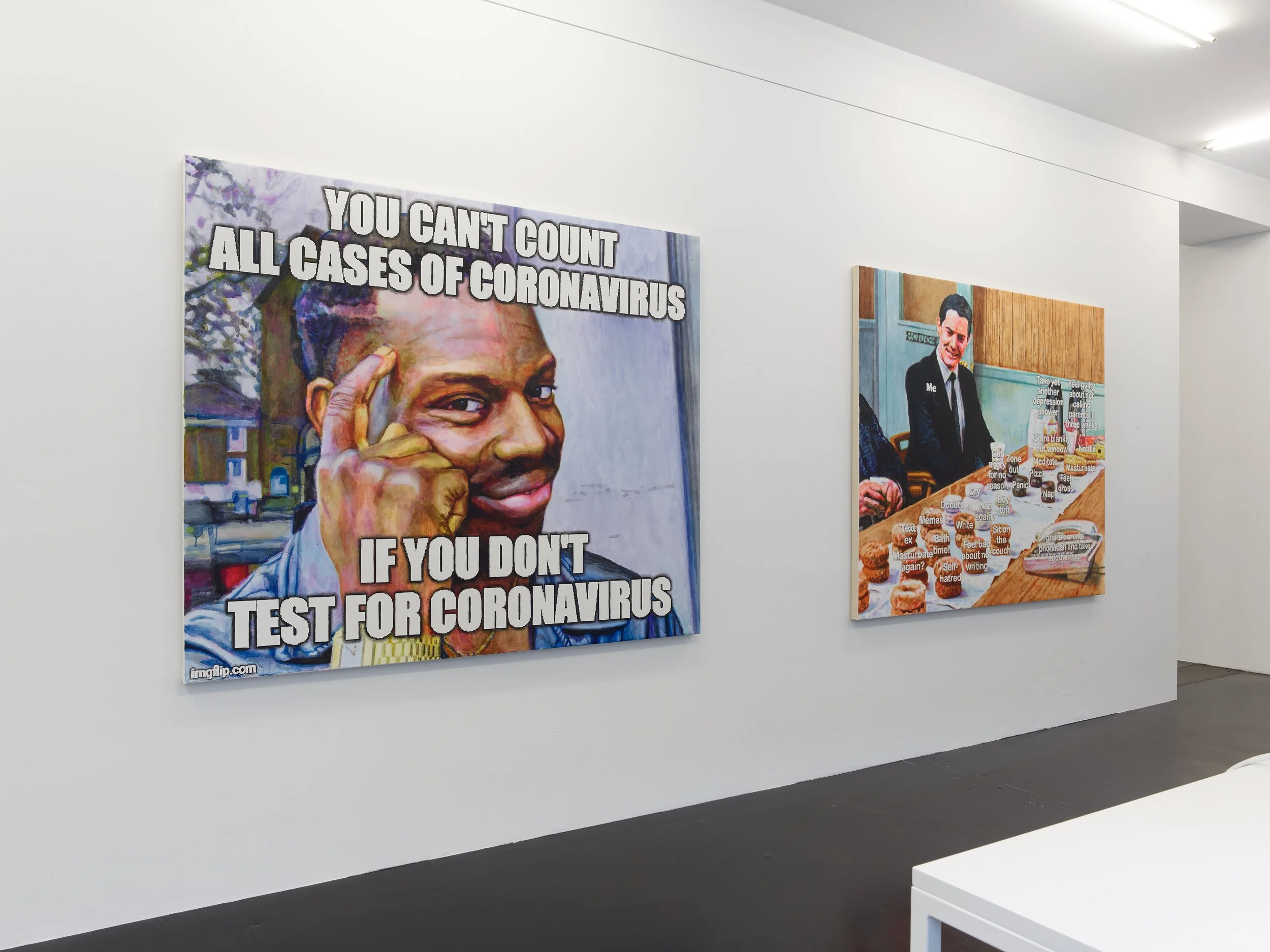
Installation view: Christine Tien Wang, Corona Virus Meme, 2020. Photo courtesy of Galerie Nagel Draxler/Simon Vogel.
“Social media has been and continues to be the most important tool for my practice.” says artist Gabriel J. Bodker. “That said it is a love hate relationship - the more you give it, the more it gives you in return. It has become a burden in the sense that, if I stop posting my numbers drop and so do inquiries from potential clients.” Artist Tom Furse agrees: “I don’t think it’s innately bad.” he says. “A lot of people complain about it but if your algo is tuned correctly then it’s an incredible resource of visual and conceptual inspiration, a personal portfolio/gallery and a test bed for new directions.” Similarly, Marina Roca Díe (whom, for full disclosure, this author formed a friendship with via Substack) explains that, while she made a few big sales via Instagram during the pandemic, “the more I get into the art industry the more I believe this is a physically present career.” New York-based puppeteer Maggie McGrath concedes that while “the push to move everything online to create artistic community has actually caused physical community space to become harder to find,” that it was originally “really beneficial for art and artists.”
There is also, of course, real talent to be discovered via the internet. As noted, discovering new artists is a thousand times easier, but there is also room to discover new ideas. Zhi Zhi Chia (@orientaldressings) and Carrie Scott (@carriescottcurates) produce extraordinarily original and insightful thinkpieces about contemporary art; Nikesh Pandya-Gudka (@notsoquietluxury) and Charisse Kenion (@charisse_kenion) apply complex but accessible analysis to contemporary visual culture; and critics like Sophie Nowakowska’s (@professional_art_bullshitter) candid carousels and Taylor Morrison (@weopen)’s Dungeon series create open debate spaces about art in their comment sections. This might get me a few sneers, but I mean it very sincerely when I say that some of the best and most thought-provoking art history analysis and discussion I’ve come across have not been tucked away in the margins of a Krauss but via the debates and disagreements taking place in the comment sections of creators like DivaCorp, Sean Tatol, or Taylor Ervin (I’ve been especially enjoying Tatol and Ervin’s very public catfights about Hegel and Adorno).
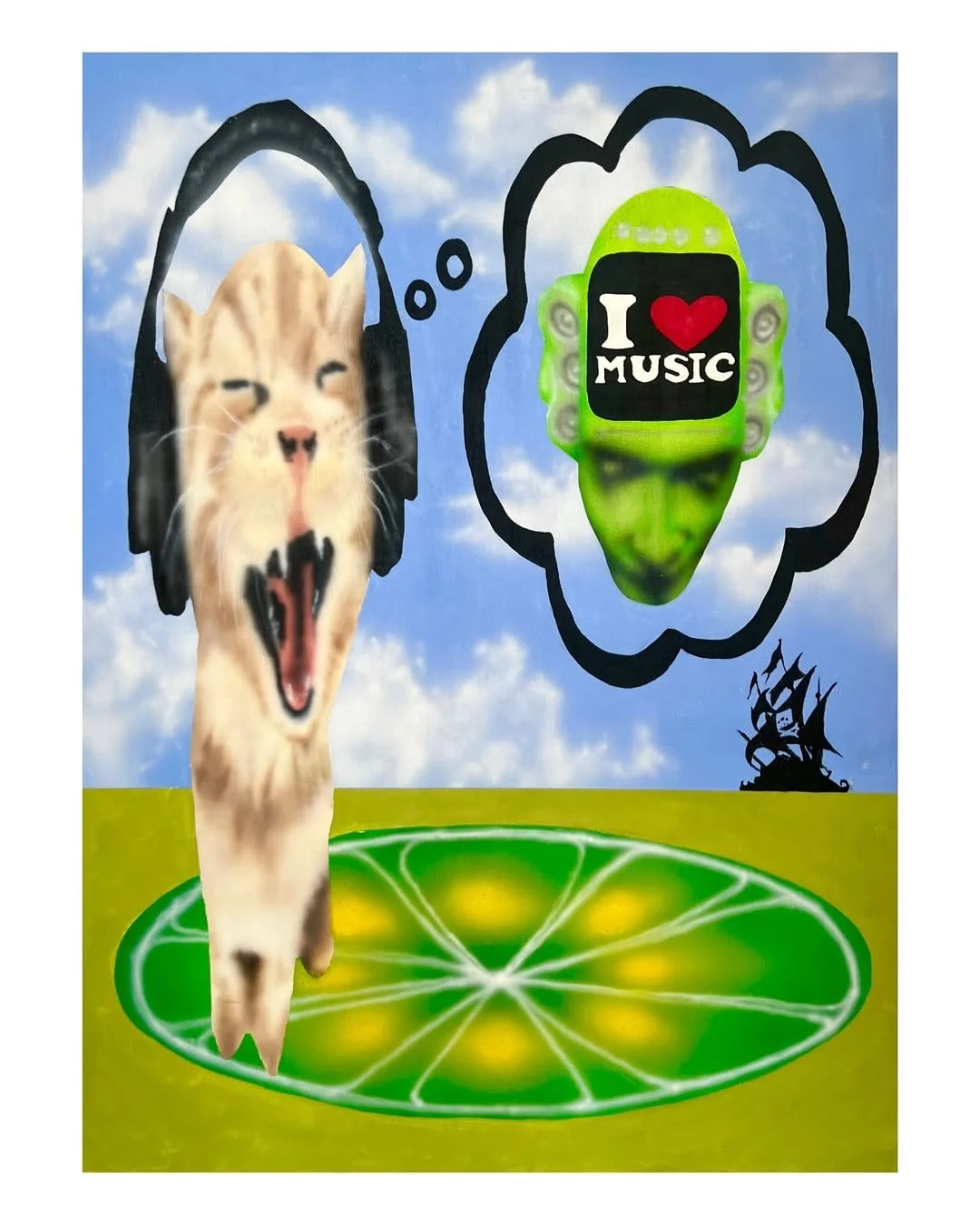
Nalani Tran, My Life Changed When I Discovered Peer-To-Peer File Sharing At Age 10, 2025.
Equally, apps like gowithYamo and cur8 have not only helped with the general awareness of art, but by making the act of choosing and visiting exhibitions easier. This is especially true in London: with the demise of newsletters like SebsArtList (miss you, baby!) platforms like these are useful not only in keeping people up to date on what’s on, but giving audiences regardless of location a platform to talk about art; there is sincerely nothing quite like settling in with a glass of wine to read French people arguing in the comments section of cur8’s videos about whether Martin Kippenberger is bourgeois propaganda.
These corners of the web cannot be dismissed as extras. I suggest, instead, they be treated as a remedy to what Coren calls “the art world version of comparing your body to someone on Love Island.” The internet is possibly one of the best tools available to us in combating the socioeconomic barriers that can stop people from interacting with contemporary art (and perhaps art history in general) in good faith. While it is true that the artspeak is ever-present on the internet (and will only be increasing as AI becomes more ceaseless), certainly, but so is the ability to call bullshit - and, perhaps more importantly, so are the resources available interested in speaking loquaciously and confidently about art. If we want to ensure that people have every tool to understand, love and/or hate art then we have to stop treating social media and the internet, the most accessible cultural infrastructure we’ve ever developed, less like an embarrassing enemy and more like the Library of Alexandria of knowledge and perspectives that it can be.