dialogue
Kira Streletzki | Gallerist and Curator
December 2025
6 min read
Kira Streletzki’s curatorial practice is rooted in attentive observation through graduate shows and digital platforms. Based in London and connected to Berlin, she shapes exhibitions in a 1930s building that influences the artwork. Collaboration with emerging female artists is built on trust, curiosity, and transparency, making each project a shared process while fostering care and clarity.
Streletzki seeks emotional resonance and urgency in new work, considering how an artist's language transforms her Berlin space. Her reflections aim to create a sustainable curatorial approach. In her upcoming show with Isabel Muñoz-Newsome, sensual paintings will engage with the architecture and history, creating a powerful dialogue.
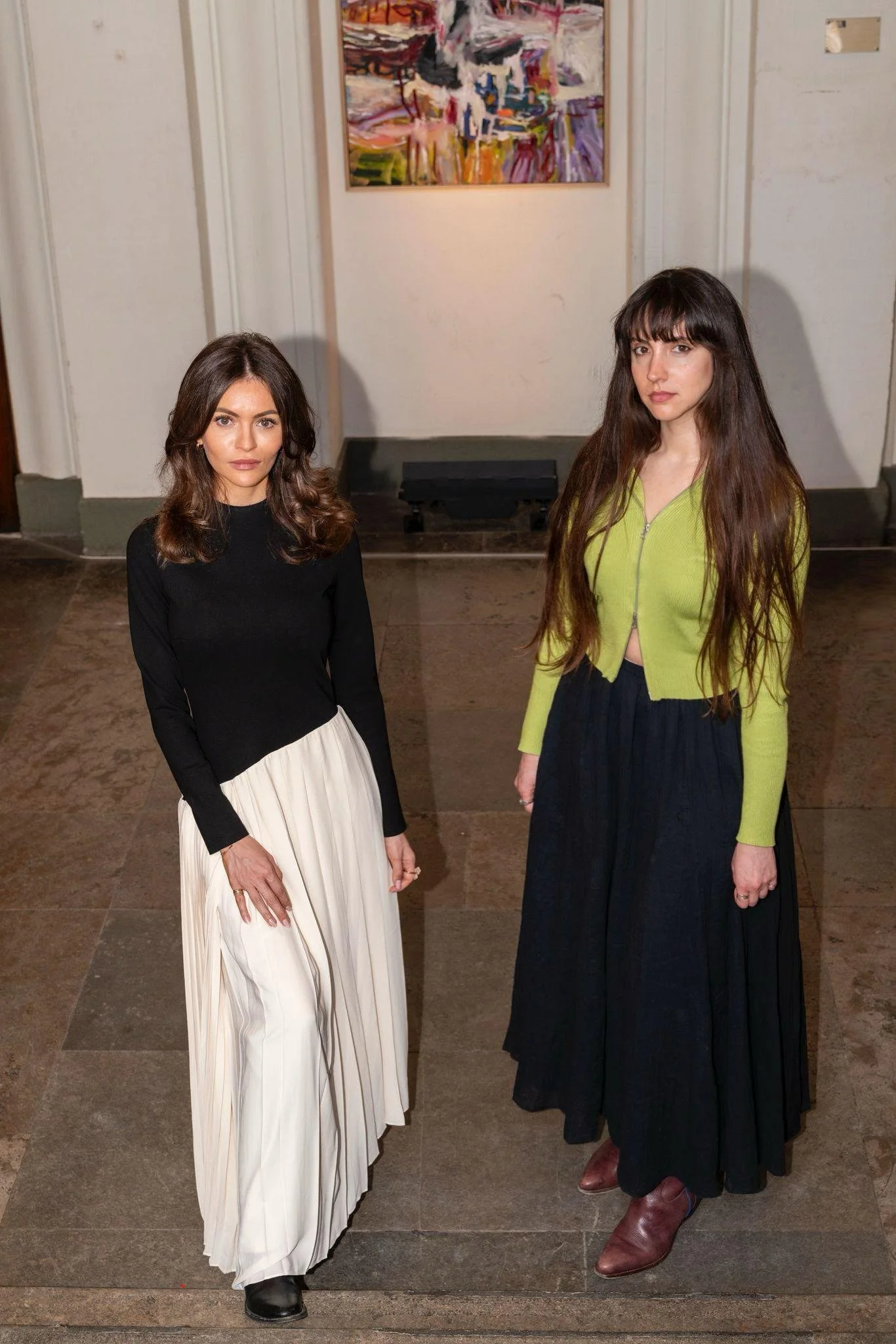
Kira Streletzki and Isabella Amram. Photo by Linus Müllerschön.
What does your research process typically involve when curating an exhibition?
”I’m very lucky to be based in London, a city filled with incredible art universities: Slade, RCA, Goldsmiths, Central Saint Martins, and I always begin my research by attending graduate shows. It’s where I first encounter many of the artists I eventually work with. New media platforms such as Instagram are also valuable tools, not just for discovering artists, but for following their development and reaching out directly. Once something resonates, I start thinking about how the work might inhabit the Berlin space I use for exhibitions. It’s a historical building from the 1930s, and the opposite of a white cube; its atmosphere, textures, and history always become part of the show. After curating four exhibitions with artists exploring very different practices and themes, I’ve learned to let the concept emerge organically from both the work and the space in dialogue.”
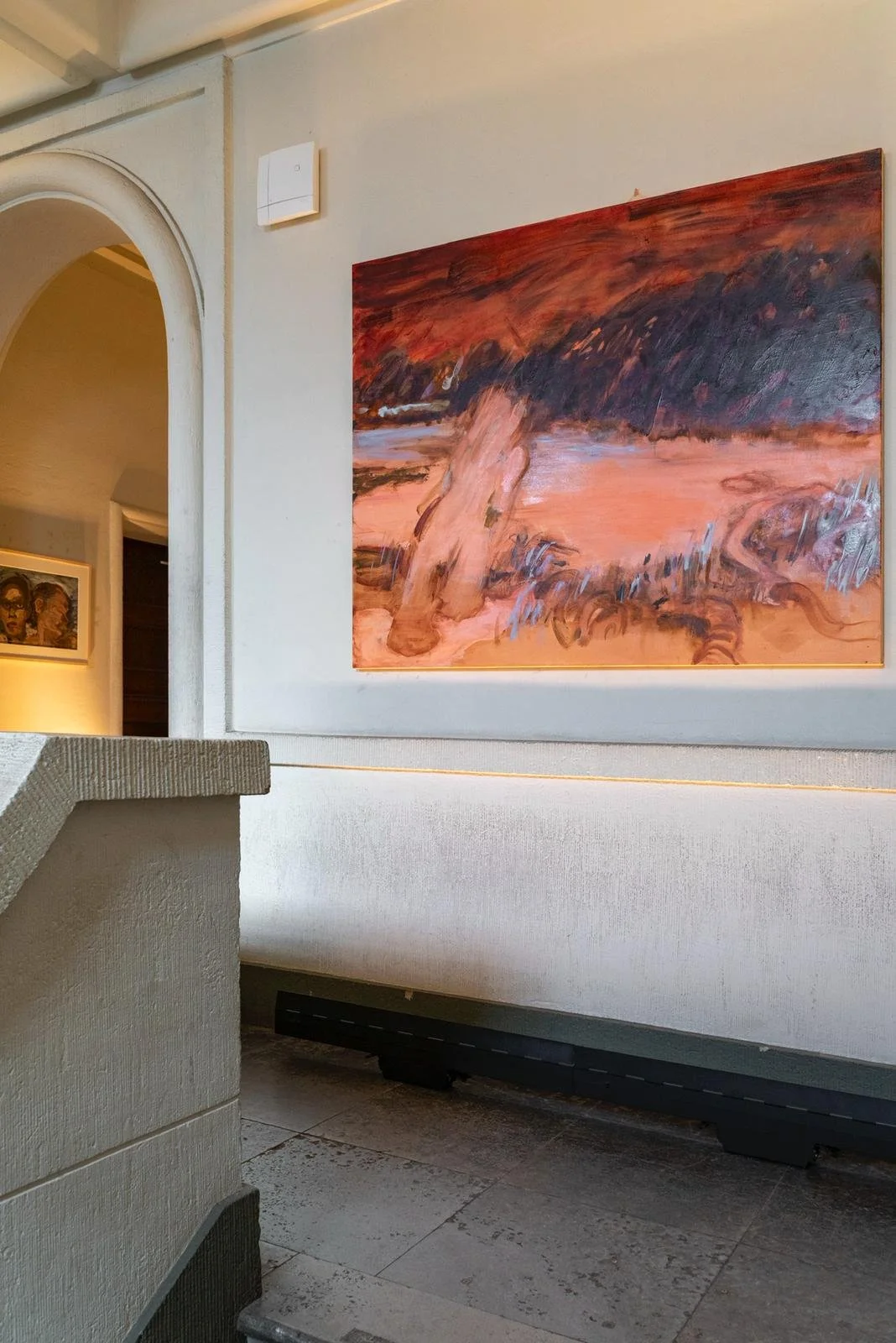
Installation view: Isabel Muñoz-Newsome, Over the Edge solo show. Photo by Linus Müllerschön.
In recent years, you’ve curated exhibitions with Emilia Auersperg, Eilen Itzel Mena, Samah Rafiq and Isabella Amram. How do you go about building trust and dialogue with the artists you work with?
“Trust begins with time and genuine curiosity. I always take the time to engage deeply with an artist’s work before reaching out, so our first conversation is already grounded in understanding. I recognize that every artist is unique, not only in their artistic style but also in their personality and working process. From the very beginning of preparing for a show through to opening day, the artist and I spend extensive time together and exchange countless messages. Because of this, I strive to adapt my approach to meet the individual needs of each artist.
From there, it is about listening, asking thoughtful questions, and creating space for openness. It is very important to me to have open and candid conversations with artists. While I believe I can offer a great platform, I am currently still a one-woman show, so the entire experience is very hands-on. Being completely transparent with artists helps manage expectations and builds trust. Because I work exclusively with emerging female artists, there is often a shared sense of purpose around visibility and support, which helps foster a collaborative dynamic from the start.”
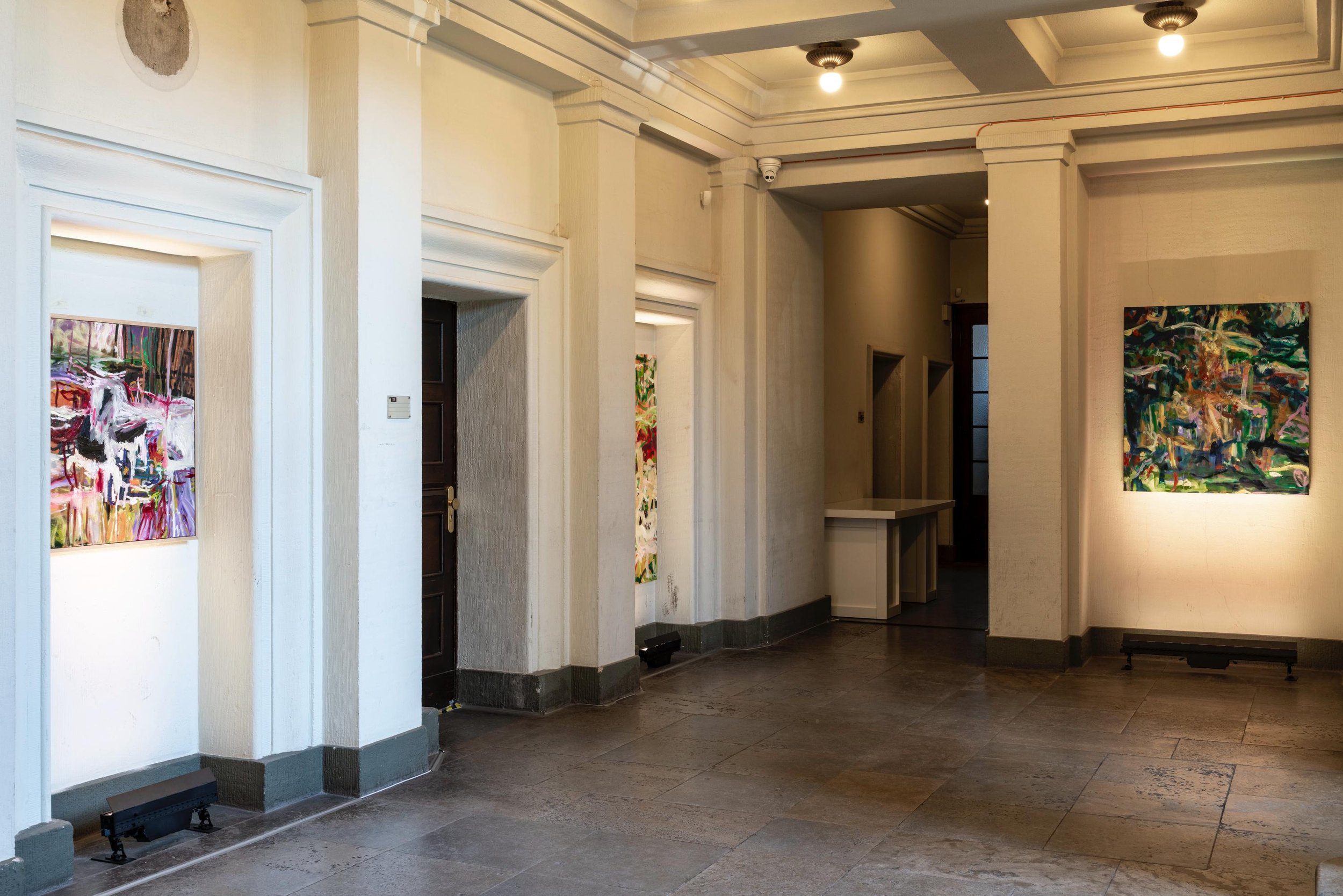
Installation view: Isabella Amram, Gestures in Flux. Photo by Linus Müllerschön
What questions do you tend to ask yourself before committing to a new project?
”The first thing I ask myself is whether the work truly moves me. If I feel a strongconnection, I start imagining how it could inhabit the Berlin space, how the artist’s language might engage with the character, history, and ambiance of the building. I also consider whether the work addresses something urgent or overlooked. At the same time, I think about how it will resonate with my audience and clients, ensuring the project is both meaningful and sustainable. Finally, I reflect on what I can offer the artist in return, whether the environment I create will genuinely support their development and not just display their work. When all these elements come together, I know it is a project worth pursuing.
My upcoming show with Isabel Muñoz-Newsome embodies this perfectly. Her sensual paintings capture both the intensity of the subject and her personal response. She weaves depth and feeling into her work, creating pieces that are intimate, troubling, and pleasurable. Her exploration of materiality, emotion, and mystery makes her work a powerful and fitting presence in the Berlin space, inviting an intimate dialogue between body, paint, and environment.”
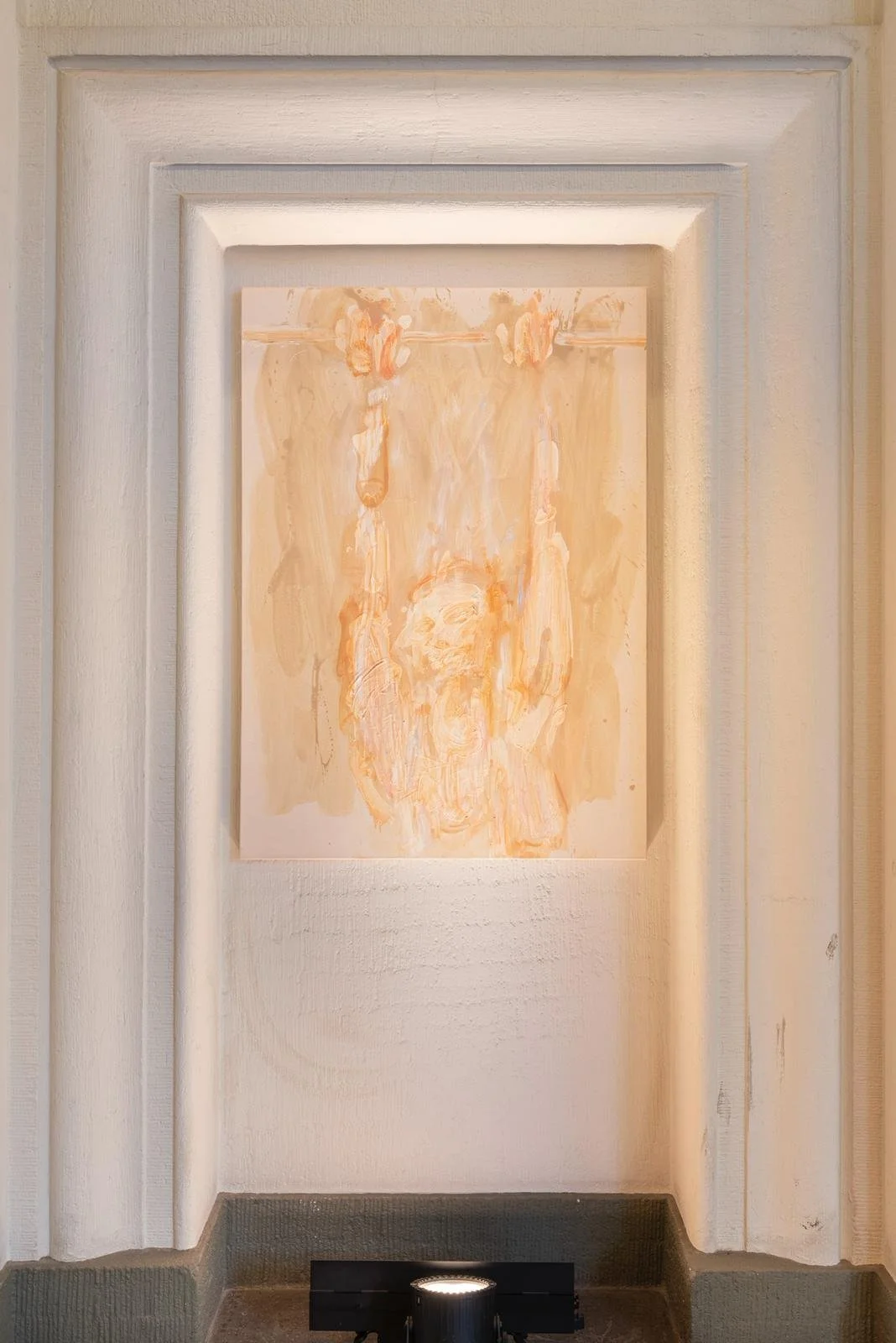
Isabel Muñoz-Newsome, Hanging Figure 1, Oil on canvas, 120 x 85 cm, 2025. Photo by Linus Müllerschön.
Earlier in your career, you worked at Hauser & Wirth. What would you say was your biggest takeaway from your time at such a prominent gallery?
“I started as an intern at Hauser & Wirth in New York, and later spent time at the gallery in London as well. Experiencing the inner workings of two distinct spaces in different cities was an incredible learning process. Each location had its own rhythm, priorities, and audiences, which gave me valuable insight into how a global gallery responds to the unique character, audience, and expectations of each city it works in.
What stayed consistent and left a lasting impression was the gallery’s commitment to long term artist relationships and curatorial excellence. I saw first-hand how vital it is to protect and support the artist’s voice at every stage, no matter the scale of the exhibition. I also learned how to uphold high standards without losing empathy. That combination of professionalism and care continues to shape how I work today. I’m still grateful to have former colleagues I can turn to for advice. There’s a strong sense of generosity and community that I carry forward in my own practice.”
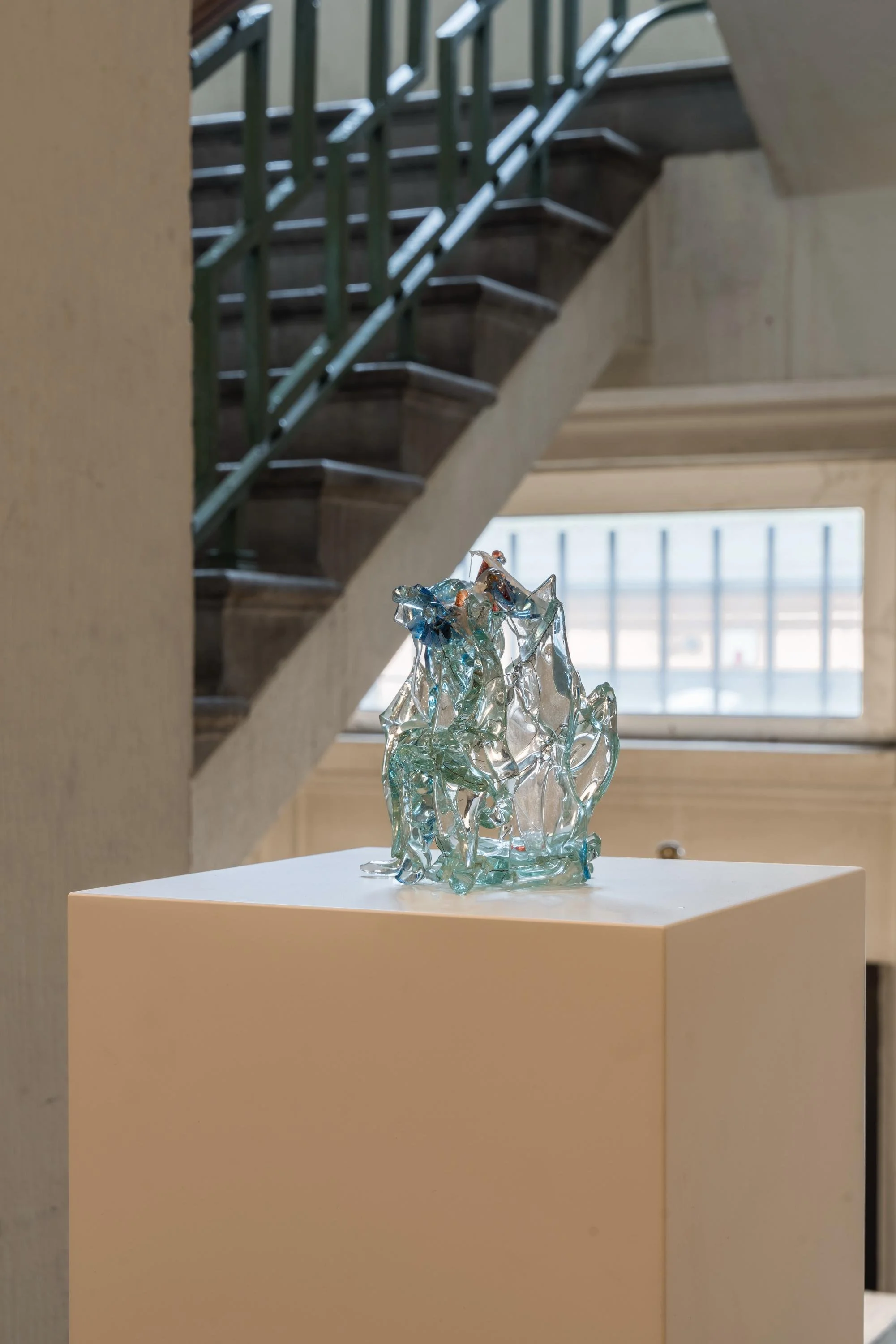
Emilia Auersperg, Sommer House of Baby Grinch, Glass, glue, wire, plastic, 17 x 12 x 12 cm, 2022.
As a curator who has organised several exhibitions now, have you ever considered opening your own gallery? From your perspective, how have the demands of being a gallerist today shifted compared to ten years ago?
While I’ve definitely imagined what it would be like to have a permanent space, what really excites me at the moment is the flexibility of the pop-up format. So far, I’ve worked out of one location in Berlin. However, looking ahead, I’d love to expand this approach and tailor each exhibition to a specific space.
Being a gallerist today means wearing more hats than ever: curator, strategist, marketer, sometimes even technician. The lines are more blurred, but that also creates space for more personal and responsive ways of working with artists and audiences. That kind of fluidity really suits me right now.”
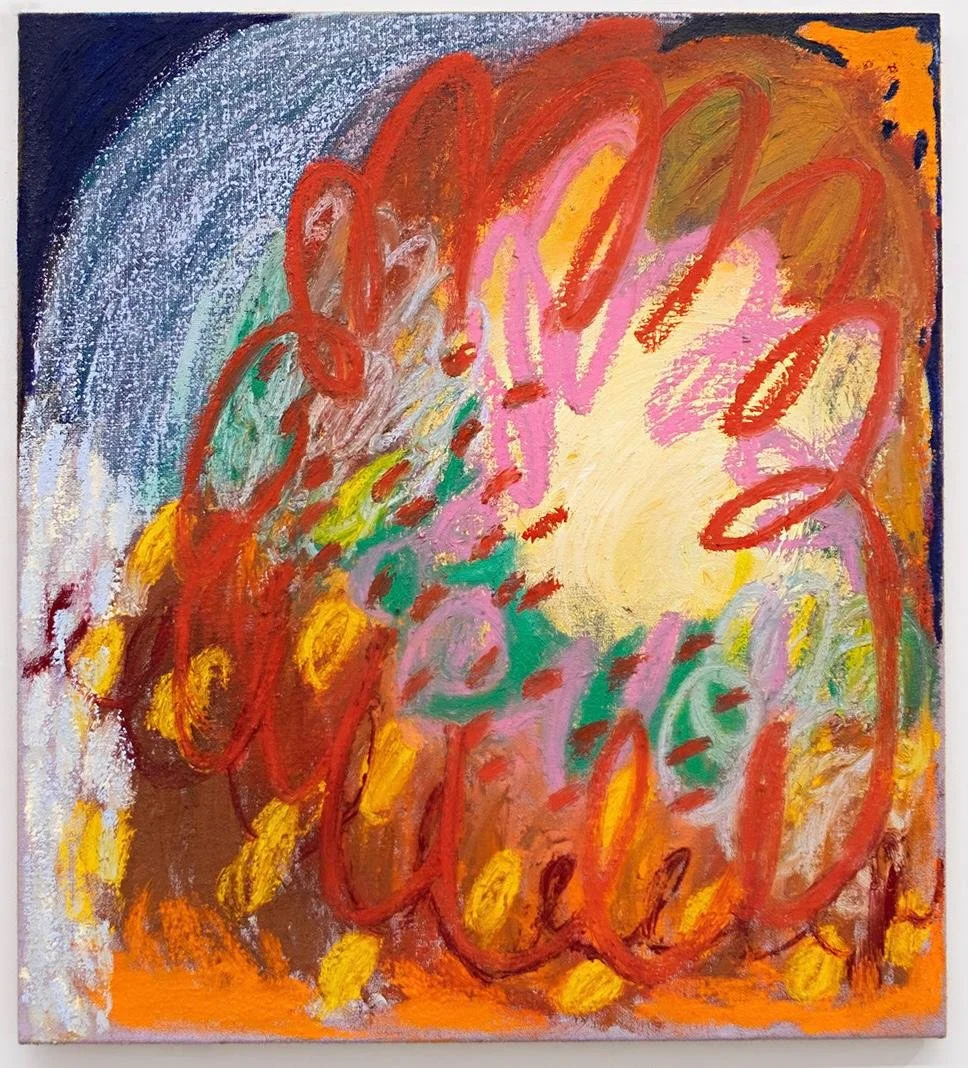
Eilen Itzel Mena, After the Storm, Oil on Hessian, 100 x 90 cm, 2024.
Recommended